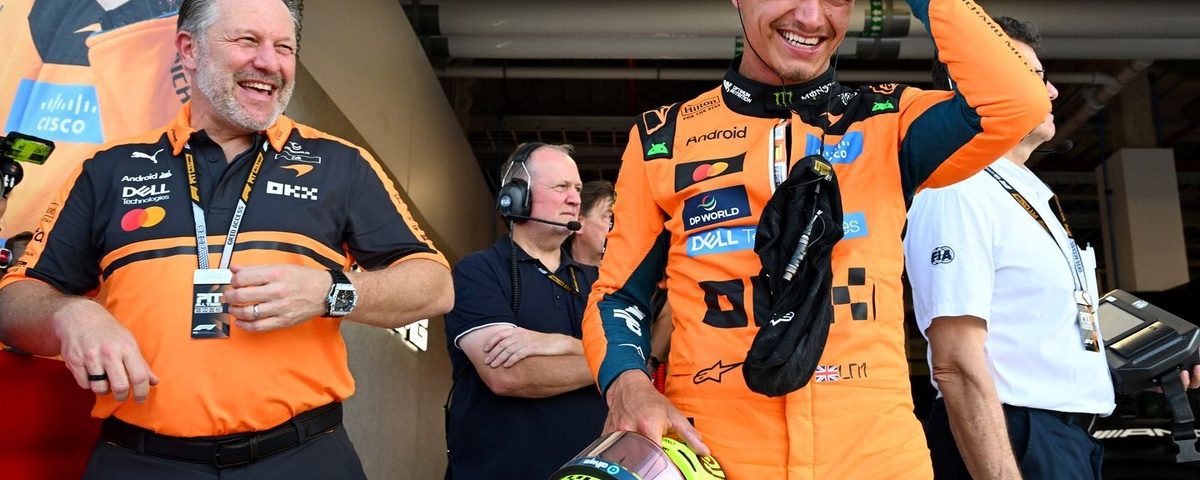
- Zak Brown has initiated a significant cultural shift at McLaren to combat a toxic blame culture.
- The team's transformation is aimed at improving morale, fostering collaboration, and enhancing race results.
- McLaren's focus on teamwork is essential for their success in the competitive Formula 1 landscape.
- Fans are optimistic but remain cautious about the team's ability to consistently deliver in qualifying and races.
- This cultural overhaul may be pivotal as McLaren aims to reclaim its status among the championship contenders.
In a recent interview with Will Buxton, McLaren’s CEO, Zak Brown, shed light on the dramatic cultural transformation within the team as they strive to regain their former glory in Formula 1. Brown’s insights revealed that when he first took over the Woking outfit, McLaren was not only struggling on the racetrack but also grappling with a toxic blame culture that hampered performance and morale. This candid revelation came during a discussion on July 3, 2026, highlighting the crucial steps taken to realign the team’s focus towards collaboration and accountability.
Formula 1: What You Need to Know
The essence of Brown’s strategy is simple yet profound: shifting from a blame culture to one that promotes teamwork and individual responsibility. This approach acknowledges that in the high-stakes world of Formula 1, every member of the team plays a vital role in achieving the best race results. By fostering an environment where collaboration is prioritized, McLaren aims to build a robust framework that supports both drivers and engineers, ultimately leading to improved performance on the track.
This cultural overhaul coincides with McLaren’s aspirations to reclaim their position as a formidable force in the constructors’ championship. For years, the team has faced challenges, experiencing ups and downs that have often left fans feeling frustrated and disillusioned. However, with a renewed focus on the team’s collective mindset, there is cautious optimism among supporters that the changes could yield positive results as the season progresses.
Social media, as expected, has been abuzz with reactions from fans, with sentiments ranging from excitement to skepticism. Many supporters took to Twitter, expressing enthusiasm for Brown’s vision and the potential it holds for McLaren’s future. “Finally, a change that can bring back the McLaren we know and love!” one fan tweeted, capturing the hopeful spirit among many. Others, however, voiced concerns about whether these cultural changes could translate into tangible improvements in race results and qualifying performances.
Analysis & Key Takeaways
In the world of Formula 1, where the pressure to perform is immense, the impact of team culture cannot be overstated. A positive environment can significantly influence how drivers approach their races, how engineers develop the cars, and how the team strategizes during qualifying sessions. As McLaren embarks on this new journey, the focus will not only be on the technical aspects of the car but also on nurturing a collective spirit that encourages innovation and accountability.
The upcoming races will serve as a litmus test for the effectiveness of these cultural changes. Fans will be keenly watching how the team performs in qualifying rounds and races, seeking evidence that the newfound philosophy is taking root. A strong showing could further galvanize support, while continued struggles might lead to questions about the sustainability of these changes in the long run.
As we look ahead to the rest of the season, it is imperative to recognize that McLaren’s transformation is not merely about immediate gains but rather about establishing a solid foundation for future success in Formula 1. The journey is likely to be a bumpy one, with inevitable challenges along the way. Nonetheless, the commitment to change is a step in the right direction, and it is this resolve that could ultimately define McLaren’s trajectory in the highly competitive championship landscape.
With the 2026 season in full swing, McLaren’s fans are left to ponder what this cultural shift means for their team’s fortunes. Will it lead to improved race results and a successful championship run? Or will it take longer for these changes to materialize into competitive advantages? As the debate rages on social media, one thing is certain: the path ahead for McLaren is one that will be closely scrutinized by fans and analysts alike.
As we reflect on the broader implications of McLaren's cultural overhaul, it's clear that this transformation could serve as a blueprint for other struggling teams within the Formula 1 ecosystem. Team dynamics can significantly influence performance, and McLaren's proactive approach might inspire others to reevaluate their internal cultures. We believe that the emphasis on accountability and teamwork is a necessary evolution, especially in a sport where split-second decisions can determine outcomes.<br />
Moreover, McLaren's journey is a reminder that change often requires patience. Fans may need to temper their expectations as the team finds its footing in this new environment. While the potential for success is high, the realities of Formula 1 competition mean that immediate results may not be forthcoming. As we look ahead to upcoming races, it will be fascinating to see how this cultural shift plays out on the track, shaping McLaren's future in the championship.
Source: Zak Brown explains how McLaren ended toxic blame culture
Sports News Plus is a news aggregator. We do not own or claim rights to any images, videos, or source content featured on this site. All images and media are the property of their respective original owners and publishers. Article content is independently written based on publicly available news sources, which are credited and linked throughout. Full disclosure →