- George Russell asserts that energy management will lead to better racing in Formula 1.
- The British Grand Prix will challenge drivers' skills with energy starvation strategies.
- Increased energy management may alter traditional race strategies and pit stop timings.
- The dynamic at Silverstone could reshape the championship race results this season.
- This development signals a potential shift in how teams approach qualifying and race tactics moving forward.
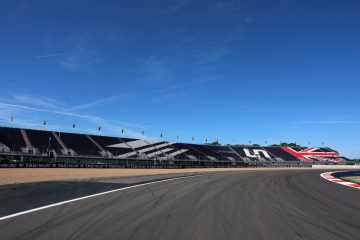
The upcoming British Grand Prix at Silverstone promises to deliver an exhilarating spectacle that blends strategic energy management with the excitement of Formula 1 racing. Scheduled for July 5, 2026, this year’s Grand Prix is set against the backdrop of changing regulations and evolving technologies, which have already sparked discussions among drivers and teams alike. George Russell, one of the sport’s rising stars, has recently indicated that despite the anticipated challenges of energy starvation, these very challenges could foster more compelling racing experiences.
In the past, Silverstone has been known for its high-speed straights and sweeping corners, creating opportunities for both overtaking and strategic play. However, the introduction of energy management protocols means that teams will need to recalibrate their approach to everything from qualifying setups to race strategies. Russell believes that the increased focus on energy usage will not only level the playing field but also lead to a more unpredictable and thrilling race result.
As teams prepare for the British Grand Prix, one of the notable aspects will be how drivers adapt their styles to manage energy depletion over the course of the race. This introduces a new layer to the championship narratives, with each driver needing to balance aggression and conservation to achieve optimal performance. The implications for qualifying are significant as well, as drivers may need to consider their energy use during their flying laps to ensure they have enough to compete in the closing laps of the race itself.
Understanding Energy Management in Formula 1
Energy management has become a critical focus in Formula 1, particularly with the sport’s shift towards hybrid power units. This year’s British Grand Prix will showcase the balance between performance and sustainability, as teams must implement strategies that prioritize energy conservation while still pushing their cars to the limit. The concept of energy starvation, as mentioned by Russell, suggests that drivers will have to be more tactical in their racing approach, monitoring fuel and battery levels closely.
In practical terms, this energy management will likely lead to longer stints on track with fewer pit stops, significantly changing the dynamics of the race. Teams may adopt a strategy of stretching tire life while ensuring that energy levels are sufficient for a strong finish. The tactical battles that arise from energy management will not only affect individual drivers but can have a ripple effect on the championship standings as a whole.
The Tactical Breakdown: Key Battles Ahead
As we look ahead to the Silverstone race, several key tactical battles will emerge that could define the race result. One of the main confrontations will be between teams that excel in energy management versus those that prioritize raw speed. For instance, teams like Mercedes have historically been strong in qualifying but may need to temper their approach if they want to maintain energy efficiency throughout the race.
Another crucial factor will be the interplay between tire strategy and energy management. Teams will need to decide whether to go for aggressive tire compounds that allow for faster laps or to opt for more durable options that conserve energy over time. This decision will be compounded by the need to understand the evolving track conditions at Silverstone, which can change rapidly due to weather or debris.
Moreover, the driver’s ability to adapt to these energy constraints could very well determine who emerges victorious. Russell’s insights suggest that adaptability will be key, as drivers must navigate the dual challenge of competing against their rivals while also managing their energy levels efficiently. The British Grand Prix could serve as a crucial turning point in the championship, depending on how well teams and drivers execute their strategies in the face of this new energy landscape.
From our perspective, the shift towards energy management in Formula 1, particularly at Silverstone, marks a significant evolution in the sport. While the emphasis on sustainability is commendable, it also introduces a layer of uncertainty that could lead to a fascinating array of race outcomes. We believe that teams with a strong technical foundation and the ability to pivot quickly during races will have a decisive edge.<br />
As the qualifying rounds unfold, it will be fascinating to observe how teams balance speed with energy conservation. The strategic nuances of this approach could either enhance or detract from the excitement of the sport, depending on execution. While some purists may lament the loss of pure speed, the reality is that this new challenge could bring forth a new era of innovation within Formula 1 racing that keeps fans on the edge of their seats.
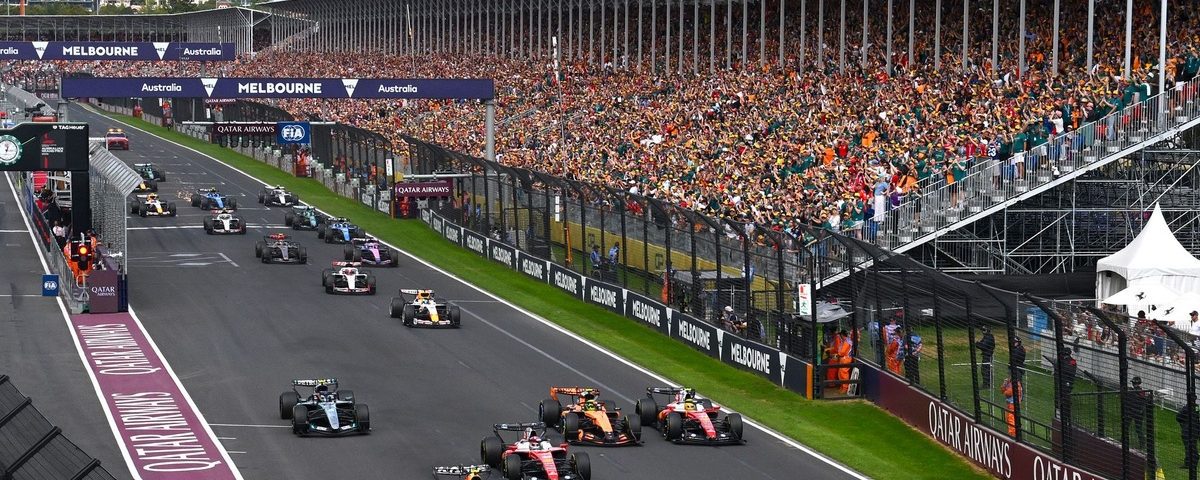
Source: Why Russell believes energy-starved Silverstone will have better racing – like Australia and China
Sports News Plus is a news aggregator. We do not own or claim rights to any images, videos, or source content featured on this site. All images and media are the property of their respective original owners and publishers. Article content is independently written based on publicly available news sources, which are credited and linked throughout. Full disclosure →