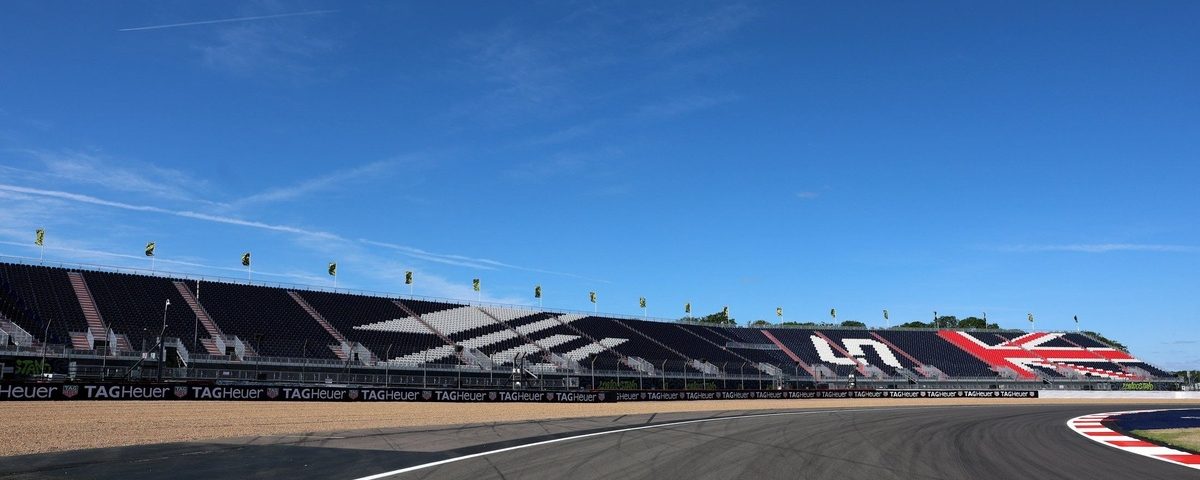
- Silverstone will undergo major redesigns for the 2026 season to improve energy management.
- The changes are stirring debate among fans about their favorite teams' chances in the championship.
- Qualifying strategies may shift significantly as teams adapt to the new circuit layout.
- The reconfiguration could influence race results, impacting title contenders.
- Fan reactions suggest a mix of concern and excitement about the evolving Formula 1 landscape.
In a groundbreaking move for the 2026 Formula 1 season, the iconic Silverstone circuit is set to undergo significant redesigns aimed at enhancing energy management during races. This transformation is stirring discussions among fans and team strategists alike, as it could dramatically affect race results and the championship landscape. The changes are expected to be officially unveiled on July 2, 2026, as F1 continues to push boundaries in technology and sustainability.
Formula 1: What You Need to Know
Historically, Silverstone has been a favorite among drivers and fans, boasting a rich racing heritage. The decision to label it as a “charging station” reflects the growing emphasis on energy efficiency within the sport. With the introduction of stricter regulations on fuel and energy use, the upcoming modifications aim to facilitate better energy management strategies, requiring teams to adapt their approach to both qualifying and race day.
As the 2026 season approaches, the implications of these changes are already being hotly debated online. Fans are taking to social media platforms to express their sentiments, ranging from excitement about potential new strategies to concerns over how these modifications might impact their favorite teams. The evolving dynamics of the sport mean that long-standing rivalries could be intensified or diminished based on how effectively teams adapt to the new Silverstone layout.
The fan reaction is also closely tied to the current championship standings. With teams like Mercedes, Ferrari, and Red Bull vying for supremacy, the ability to navigate the redesigned Silverstone circuit could make or break their chances at the title. Enthusiasts are particularly focused on qualifying sessions, which may now play a pivotal role in determining race outcomes, as teams strategize around energy consumption and tire management under the new conditions.
Analysis & Key Takeaways
Social media sentiment reflects a blend of enthusiasm and skepticism. Some fans express excitement over the potential for more strategic races, while others worry that the changes could level the playing field too much and dilute the competitiveness that has characterized recent seasons. This discussion is particularly resonant given that the 2026 season also introduces new technical regulations, making it imperative for teams to innovate continuously.
As we approach the unveiling of the circuit redesign, it’s important to consider how these changes will influence team strategies. For example, teams known for their innovative engineering, such as Ferrari and Mercedes, might find ways to exploit the new circuit layout to gain a competitive edge. Conversely, teams still in the process of development, like Aston Martin or Alfa Romeo, may struggle to keep pace, impacting their performance in the championship.
The upcoming season will likely see a shift in how drivers approach their race weekends, particularly regarding energy management during qualifying. With the redesigned Silverstone circuit emphasizing energy efficiency, teams may need to rethink their qualifying strategies, potentially prioritizing race pace over outright speed. This evolution will undoubtedly make for an exhilarating season filled with unexpected twists and turns.
The anticipation surrounding the Silverstone changes is palpable, and fans are eager to see how their teams will respond. As the Formula 1 grid prepares for the challenges of 2026, the conversations surrounding these modifications will shape the narrative of the season ahead. The potential for thrilling races, strategic surprises, and nail-biting championship battles is what makes Formula 1 so captivating, and the new Silverstone layout promises to deliver on all fronts.
As we look ahead, the implications of the Silverstone redesign extend beyond just the immediate effects on race results. The conversation surrounding energy management will likely continue to evolve, influencing how fans perceive their favorite teams and drivers. The landscape of Formula 1 is changing, and how teams adapt to these shifts will play a crucial role in their quest for glory in the championship.
From our perspective, the changes to Silverstone might not only reshape the race weekend dynamics but also redefine the very nature of competition in Formula 1. As teams adapt to the new energy management requirements, we could see a more strategic form of racing emerge, where tire conservation and energy allocation become central themes to each race. The upcoming season promises a more tactical approach, as drivers will need to balance aggression with conservation to navigate the redesigned circuit effectively.<br />
Moreover, the fan response to these changes highlights a broader trend in motorsport, where sustainability and technological innovation are becoming pivotal. As F1 embraces more eco-friendly practices, it's essential for teams and fans to engage in these discussions, shaping the future of the sport. The excitement surrounding Silverstone's redesign is just the beginning, and we anticipate that similar discussions will permeate the championship as we move toward 2027 and beyond.
Source: How "charging station" Silverstone will really look different in F1 2026
Sports News Plus is a news aggregator. We do not own or claim rights to any images, videos, or source content featured on this site. All images and media are the property of their respective original owners and publishers. Article content is independently written based on publicly available news sources, which are credited and linked throughout. Full disclosure →