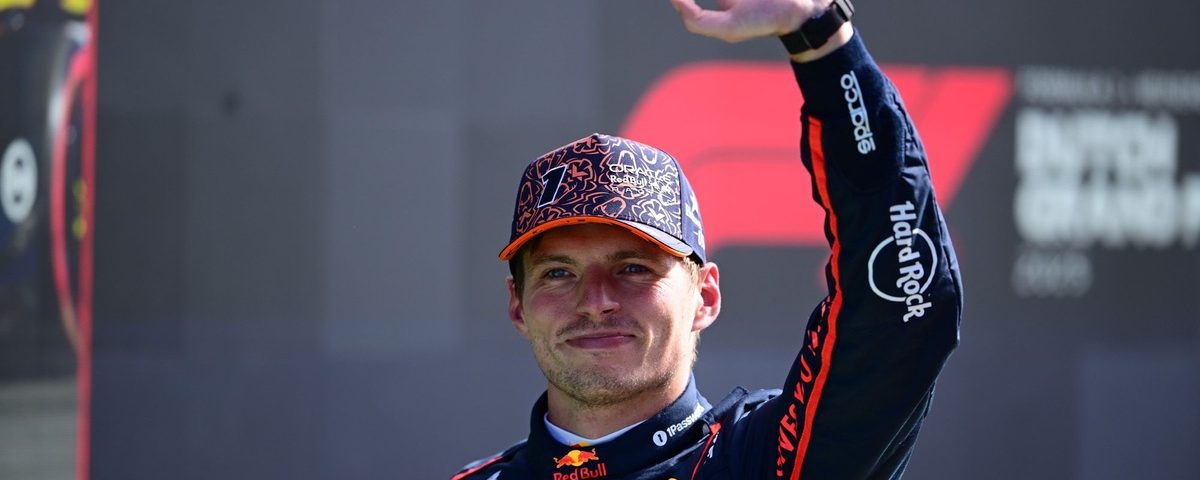
- Max Verstappen's threats of retirement have gained credibility, according to commentator David Croft.
- The Red Bull driver is under contract until 2028 but holds an exit clause.
- Losing passion could lead Verstappen to reconsider his career in Formula 1.
- His potential departure would significantly impact the competitive landscape of the championship.
- A shift in Verstappen's focus may usher in a new era in F1 racing.
Max Verstappen, the Dutch racing sensation and reigning champion, has recently made headlines with his candid remarks about a potential retirement from Formula 1. Commentator David Croft emphasized that these threats should not be dismissed as mere bravado, suggesting that Verstappen is genuinely considering his future in the sport. While currently under contract with Red Bull Racing until 2028, Verstappen reportedly has the option to invoke a clause allowing for an earlier exit. This situation raises critical questions about not only Verstappen’s career but also the broader implications for the Formula 1 championship landscape.
Formula 1: What You Need to Know
Verstappen’s comments come amidst a challenging period in his F1 journey. Following a string of race results that have been less than stellar, there is an evident shift in his tone. As he navigates the pressures of maintaining peak performance, the joy that once defined his racing experience appears under threat. For a driver of his caliber, who has always thrived on competition and the thrill of victory, this could be a pivotal moment.
The implications of Verstappen’s potential retirement go beyond just one driver. His absence from the grid would create a vacuum in the championship, impacting Red Bull Racing’s dominance and altering the competitive dynamics of the sport. The team has built its strategy around Verstappen’s exceptional talent, and losing him could present an opportunity for rival teams to capitalize on this uncertainty. Teams like Mercedes and Ferrari might see this as a chance to reclaim their positions at the top, intensifying the competition for race results and championships.
Additionally, the potential departure of a star like Verstappen could lead to a ripple effect within the sport. Younger drivers may find themselves thrust into the limelight, and teams might have to rethink their driver line-ups and development strategies. This transition could not only alter the championship standings but also influence how teams approach qualifying and race day strategies, as they adapt to the new realities of a Verstappen-less grid.
Analysis & Key Takeaways
As we consider the emotional and psychological components of racing, it’s worth noting that Verstappen’s love for the sport has always been a key factor in his success. If that passion wanes, the consequences could be far-reaching. Drivers often express that their motivation stems not just from competitive instincts, but also from a deep-rooted love for racing. Should Verstappen decide to step away, it would challenge the notion that success in Formula 1 is solely about the numbers; it underscores the importance of passion and enjoyment in a sport that demands so much.
Moreover, with Verstappen’s remarks gaining traction, the F1 community is abuzz with speculation. Fans and analysts alike are questioning how this might affect Red Bull’s strategies in future seasons. Would they look for immediate replacements, or would they double down on their current driver lineup? The uncertainty could lead to strategic missteps as teams scramble to position themselves in a rapidly changing environment.
In the broader context of Formula 1, Verstappen’s potential retirement also opens a conversation about the sustainability of driver careers in the sport. As we see increasing pressure on drivers to perform at an elite level, the mental and emotional toll can be significant. Verstappen’s situation could serve as a wake-up call for F1 stakeholders to prioritize driver well-being alongside performance metrics.
The future of the championship may rely heavily on how Verstappen navigates this juncture in his career. If his love for racing is rekindled, we may see him continue to push boundaries and redefine what it means to be a champion in Formula 1. Conversely, if he chooses to step away, it could signify the end of an era and a significant shift in how fans, teams, and the sport itself perceive success.
In conclusion, Max Verstappen’s recent statements regarding his potential retirement from Formula 1 resonate deeply within the racing community. As the sport continues to evolve, the possibility of his departure raises vital questions about passion, competition, and the future of the championship itself. The next few seasons will undoubtedly be crucial in determining not only Verstappen’s legacy but also the landscape of Formula 1 racing.
From our perspective, Verstappen's candidness signals a larger issue within Formula 1 that goes beyond a single driver's mental state. It is indicative of the pressures that elite athletes face in high-stakes sports. We often overlook the human side of these competitors, focusing instead on their statistics and race results. If Verstappen indeed chooses to retire or step back, it could spark a broader conversation about how teams and the FIA support driver well-being.<br />
Furthermore, the possibility of Verstappen's exit prompts us to consider the future of Red Bull Racing. The team has heavily invested in him, and a sudden departure would require them to rethink their entire strategy. This unpredictability could shake the foundations of the championship standings, making the next few seasons particularly exciting. The dynamics of competition in Formula 1 are always shifting, and Verstappen's situation may just be the catalyst for a new era in racing.
Source: Max Verstappen's F1 retirement threat is 'not empty', warns David Croft
Sports News Plus is a news aggregator. We do not own or claim rights to any images, videos, or source content featured on this site. All images and media are the property of their respective original owners and publishers. Article content is independently written based on publicly available news sources, which are credited and linked throughout. Full disclosure →