- Mark Blundell's motorsport career spanned multiple racing disciplines, including Formula 1.
- His decision to leave a pivotal role at Williams F1 raises questions about potential alternate outcomes.
- Blundell won two championship titles in Formula Ford, showcasing his early talent.
- The implications of his choices could resonate in current driver line-ups and championship standings.
- Upcoming fixtures may reflect shifts in fan expectations as the motorsport world evolves.
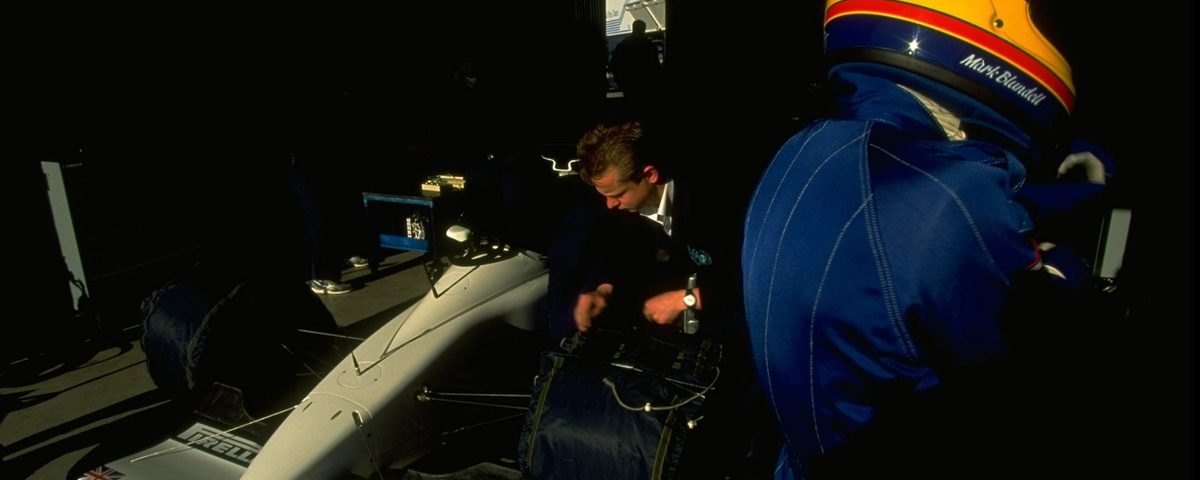
Formula 1 Mark Blundell’s journey through the world of motorsport is a captivating narrative of talent, opportunity, and the critical choices that define a career. Born on April 8, 1966, in London, Blundell began his motorsport career on motorbikes before transitioning to single-seaters in 1984. Over the years, he carved out a name for himself by securing two championship titles in Formula Ford and competing in various prestigious racing series, including Formula 1, Le Mans, and IndyCar.
Formula 1: What You Need to Know
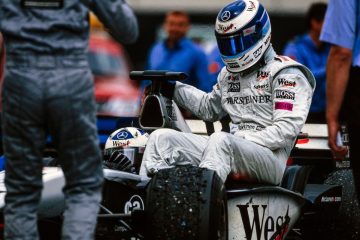
Recently, Blundell reflected on pivotal moments in his racing career, highlighting a particularly significant decision to step back from a crucial role at Williams F1 during the sport’s competitive landscape in the 1990s. At that time, Williams was one of the most dominant teams in Formula 1, and the prospect of being part of their lineup was enticing. However, his choice to pursue opportunities elsewhere led to a varied but fragmented career path. This sentiment prompts an interesting dialogue about how choices in motorsport can have lasting implications, not only for the individuals involved but also for the teams and championships they participate in.
Looking at his career, it’s essential to consider what could have happened had Blundell accepted that pivotal role at Williams. His competitive spirit and driving skills suggest that he could have significantly impacted the team’s championship standings during a period when they were striving for dominance. The potential for his involvement to alter race results, team dynamics, and even fan expectations is profound. As we consider the implications of Blundell’s choices, we can see how they resonate with current and future drivers facing similar crossroads.
With the Formula 1 season in full swing, the dynamics of team lineups and driver selections are constantly evolving. Teams are often in a precarious balancing act, weighing the potential of emerging talent against the proven experience of seasoned drivers. In light of Blundell’s reflections, current contenders may face similar dilemmas, particularly as the sport shifts towards nurturing young talent while also maintaining experienced drivers who can guide teams through complex championship battles.
Analysis & Key Takeaways
As the championship progresses, the upcoming fixtures will undoubtedly be affected by decisions made behind the scenes. For instance, teams like Mercedes, Ferrari, and Red Bull Racing are constantly evaluating their driver lineups and the impact those choices have on their championship aspirations. The decisions made now will not only affect the immediate race results but also set the tone for future seasons.
Blundell’s story exemplifies the unpredictability of motorsport, where the right decision at the right time can elevate a career or, conversely, lead to missed opportunities. For fans, this narrative adds a layer of intrigue to the ongoing championship race as they contemplate how different driver choices might have changed the landscape of Formula 1. As the sport continues to evolve, the expectations of fans will remain high. They crave exciting competitions and the emergence of new talents who can challenge the established order.
The implications of Blundell’s career decisions also resonate in the broader context of Formula 1. With the increasing prominence of young drivers in the sport, teams must navigate the balance between experience and fresh talent. As we anticipate future seasons, the decisions made by teams regarding their driver selections could redefine competitive dynamics in the championship.
Ultimately, Blundell’s reflections serve as a reminder of the complexity of motorsport careers. The choices made by drivers can lead to incredible achievements or lingering questions about what could have been. As the 2026 Formula 1 season unfolds, fans will be watching closely, eager to see how these narratives develop and what new stories will emerge on the racetrack.
As the championship progresses, the implications of Blundell’s career choices might be felt in various ways, from the expectations surrounding emerging drivers to the strategic decisions teams will make in upcoming races. This evolving landscape will keep fans engaged as they witness the unfolding drama of the Formula 1 championship, where every race result can alter the trajectory of history.
From our perspective, Blundell's career serves as a cautionary tale about the importance of seizing opportunities in the fast-paced world of motorsport. We often see talented drivers who, similar to Blundell, face critical choices that could shape their careers. As the Formula 1 landscape continues to evolve, we believe teams must remain vigilant, recognizing the potential impact of their driver selections on championship outcomes.<br />
Looking ahead, we predict that the trends set by teams in their driver lineups will heavily influence the championship standings in the coming seasons. Fans should brace themselves for the possibility of unexpected shifts in team dynamics resulting from these decisions. The narrative of Blundell's choices adds a layer of depth to our understanding of the sport, reminding us that behind every race result is a complex web of strategy, opportunity, and the relentless pursuit of excellence.
Source: When Mark Blundell gave up on a career-defining Williams F1 role
Sports News Plus is a news aggregator. We do not own or claim rights to any images, videos, or source content featured on this site. All images and media are the property of their respective original owners and publishers. Article content is independently written based on publicly available news sources, which are credited and linked throughout. Full disclosure →