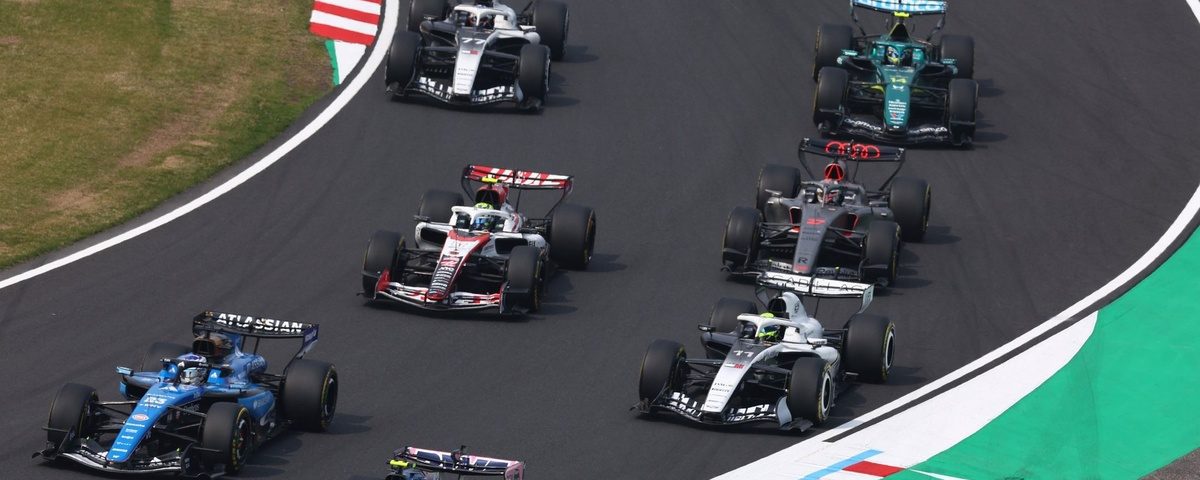
- The FIA confirmed significant changes to the 2026 Formula 1 rules.
- These alterations aim to enhance competition and technical performance among teams.
- The adjustments were discussed during a high-level meeting involving key stakeholders.
- Teams and power unit manufacturers played crucial roles in shaping the new regulations.
- Looking ahead, these changes could redefine championship strategies and race outcomes.
Formula 1 rules In a decisive meeting on April 20, 2026, the FIA confirmed new regulations for Formula 1 ahead of the Miami Grand Prix. This gathering included technical chiefs from various teams and power unit manufacturers, focusing on how to improve the sport’s technical regulations. While major overhauls were deemed unlikely prior to the meeting, the discussions sparked significant changes that could impact the championship and qualifying sessions throughout the season.
Formula 1 rules: What You Need to Know
The FIA and Formula 1 have long been committed to ensuring that the sport remains competitive and exciting. As we enter this pivotal phase, the new rules not only mark a turning point for the teams but also set the stage for how the remainder of the season will unfold. With the Miami GP on the horizon, teams will need to adapt quickly to these shifts, especially as they prepare for one of the most vibrant and challenging races on the calendar.
One of the critical areas of discussion during the meeting was the performance of the power units. With the advent of hybrid technology in recent years, teams have focused on developing more efficient engines that not only provide speed but also adhere to sustainability goals. The new regulations will likely push manufacturers to innovate further, balancing power and environmental considerations as they design their next-generation engines.
Another aspect under scrutiny is the aerodynamics of the cars. Teams have made significant strides in this area, but the FIA’s new regulations aim to level the playing field, ensuring that no team holds a distinct advantage purely based on aerodynamic efficiency. This harmonization in design will likely lead to closer racing, thereby enhancing the overall spectacle of Formula 1.
As we look ahead to the Miami GP, the race result may not solely depend on a team’s strategy or driver skill but could also hinge on how well they adapt to the new regulations. The qualifying sessions will take on added significance as teams seek to maximize their performance under the updated rules. The ability to secure front-row starts could be crucial for championship contenders, especially if the new regulations lead to tighter competition during the races themselves.
Analysis & Key Takeaways
The recent changes also reflect the FIA’s ongoing commitment to maintaining safety and fairness in the sport. By continually refining the technical regulations, the governing body seeks to prevent any one team from dominating, promoting a more dynamic and unpredictable championship. This approach not only keeps fans engaged but also ensures that the integrity of the competition remains intact.
In the coming weeks, we will be watching closely as teams test the new rules in practice sessions leading up to the Miami Grand Prix. Observing how each team interprets the changes will provide insights into their strategic priorities for the rest of the season. Will we see a shake-up in the championship standings? Or will the established powerhouses continue to dominate despite the changes?
With the stakes higher than ever, the upcoming races promise to be electrifying. Each team will need to strike a balance between innovation and reliability as they chase race results that could ultimately define their championship aspirations.
This year’s F1 season is shaping up to be one of the most competitive in recent memory. The introduction of these new regulations is likely to amplify this trend, as teams race not only against each other but also against the clock to adapt. The ramifications of this meeting could ripple throughout the season, making each qualifying session and race critical in determining the eventual champion.
As we prepare for the Miami GP, it is clear that the landscape of Formula 1 is evolving. The adjustments to the 2026 rules signal a shift towards a more competitive environment, where adaptability and innovation will be key. Fans and teams alike should brace themselves for an exhilarating journey ahead.
Our editorial team believes that the changes confirmed by the FIA will profoundly impact how teams prepare and strategize for the remainder of the season. We anticipate that the adjustments will lead to heightened competition, especially among teams that have historically struggled to keep pace with the front-runners. The new regulations may level the playing field, allowing for unexpected outcomes in upcoming races.<br />
As the Miami GP looms, it will be essential to monitor how each team responds to these changes. We predict that some teams will excel in leveraging the new rules, while others may find themselves grappling with unforeseen challenges. This unpredictability could make for a captivating championship race, with multiple teams vying for top honors.
Source: FIA confirms changes to 2026 F1 rules ahead of Miami GP
Sports News Plus is a news aggregator. We do not own or claim rights to any images, videos, or source content featured on this site. All images and media are the property of their respective original owners and publishers. Article content is independently written based on publicly available news sources, which are credited and linked throughout. Full disclosure →