- The term "artificial overtake" has sparked significant debate among fans and officials.
- Stefano Domenicali emphasizes that all overtakes, regardless of method, count as legitimate.
- The current technical regulations have changed the dynamics of racing and overtaking.
- Critics argue that overtaking has become too frequent, lacking the drama of previous eras.
- As the championship evolves, the focus may shift to refining racing quality over quantity.
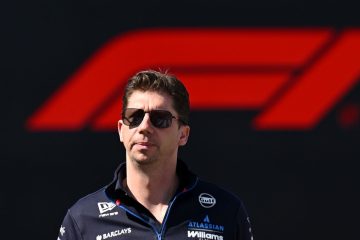
In a recent interview, Formula 1 CEO Stefano Domenicali addressed a hot topic swirling in the racing community — the concept of “artificial overtakes.” This discussion gained traction following Autosport’s report on April 20, 2026, where Domenicali stated, “Some people are saying it is artificial. What is artificial? Overtaking is overtaking.” His comments have ignited passionate debates regarding the legitimacy and quality of overtakes under the current technical regulations.
Formula 1: What You Need to Know
As the 2026 season unfolds, fans and pundits alike are scrutinizing the implications of these regulations on race results and overall championship dynamics. The interplay between technological advancements and traditional racing skills is at the forefront of this analysis, as teams navigate a new landscape that some believe may dilute the essence of competitive racing.
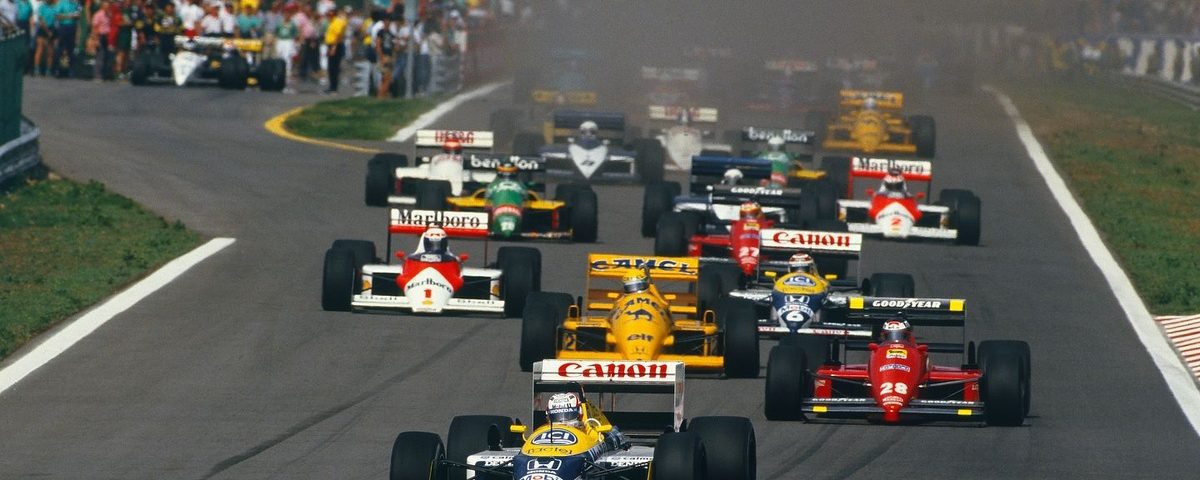
The era of turbocharged engines, reminiscent of the 1980s and 1990s, set a precedent for how power and technology could influence racing strategy and overtaking maneuvers. However, the latest regulations aim to create more competitive balance and excitement on the track, which begs the question: is the current method of overtaking compromising the sport’s authenticity?
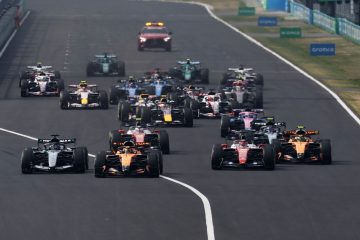
Undoubtedly, the adjustments made in recent years have led to a noticeable increase in overtaking frequency. Drivers seem to have more opportunities than ever to make bold moves, especially with the introduction of features like DRS (Drag Reduction System) and enhanced aerodynamics that allow cars to close the gap more easily. While this surge in overtaking can be thrilling for viewers, it raises concerns among traditionalists who argue that quantity does not equate to quality.
A closer examination indicates that the quality of overtakes is often eclipsed by sheer numbers. In previous seasons, overtakes were often high-stakes maneuvers that encapsulated the drama and strategy of Formula 1. The skill required to execute a perfect pass was celebrated and became a hallmark of great drivers. In contrast, today’s races sometimes see overtakes executed under circumstances that many fans label as too “easy” or “artificial.”
Analysis & Key Takeaways
This ongoing debate highlights a significant challenge for the F1 governing body: how to balance the excitement of racing with the sport’s historical integrity. As teams strategize for championships, the focus on maximizing overtakes may overshadow the importance of driving skill, racecraft, and tactical thinking.
The questions raised by Domenicali and echoed by the paddock suggest a pivotal moment in the evolution of Formula 1. Are we witnessing the beginnings of a new philosophy in racing where overtaking becomes a numbers game rather than an art form? If so, this could have lasting ramifications on how the sport is perceived, particularly among long-time fans who yearn for the nuances of racing that are sometimes lost in the shuffle of constant passes.
As we look toward the remainder of the championship season, it will be essential to observe how teams adapt to these regulations and how this impacts race results. Will there be a growing consensus on what constitutes a legitimate overtake, or will the debate continue to stir controversy among fans and drivers alike?
As the sport evolves, there is an opportunity for F1 to refine its approach, ensuring that while overtaking remains frequent, the quality of those maneuvers resonates with the spirit of competition. The championship’s integrity may depend on striking this delicate balance, allowing overtakes to be celebrated for their skill and strategy rather than simply their frequency.
In conclusion, the debate surrounding artificial overtakes serves as a pivotal lens through which to view the future of Formula 1. As the sport navigates these changes, stakeholders from drivers to fans must engage in this conversation to shape the championship’s trajectory for years to come.
From our perspective, the rise of the “artificial overtake” debate reflects deeper issues within Formula 1 regarding technological influence and competitive authenticity. While fans may revel in the excitement of more overtakes, we must ask whether such changes dilute the strategic depth that has long been a hallmark of the sport. Our view is that F1 must address these concerns head-on. As we move forward, a more holistic approach that values both the quantity and quality of overtakes could not only enhance the viewing experience but also preserve the essence of what makes Formula 1 truly special.<br />
Moreover, as teams and drivers adapt to these evolving dynamics, it will be critical for the FIA to consider modifying regulations that foster genuine racing spirit and maintain the charm of strategic overtaking. We believe that by embracing this challenge, Formula 1 can emerge stronger, ensuring that the thrill of racing remains intertwined with the artistry that has captivated fans for generations.
Source: Breaking down the term 'artificial overtake' – and comparisons with F1's previous turbo era
Sports News Plus is a news aggregator. We do not own or claim rights to any images, videos, or source content featured on this site. All images and media are the property of their respective original owners and publishers. Article content is independently written based on publicly available news sources, which are credited and linked throughout. Full disclosure →