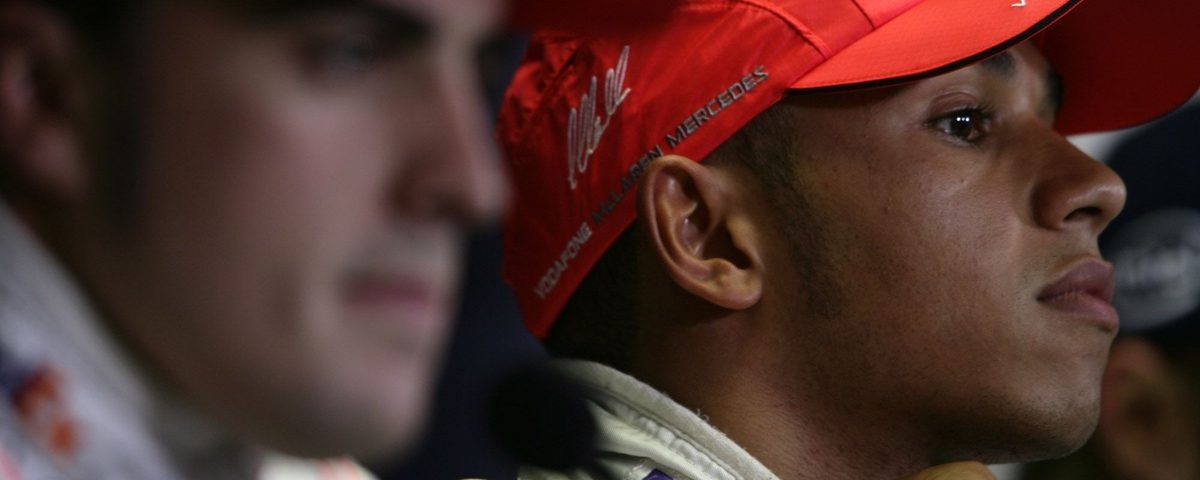
- Lewis Hamilton won his first Formula 1 race at the 2007 Canadian Grand Prix.
- The victory marked a significant milestone in Hamilton’s career, setting a record for rookie wins.
- Hamilton’s performance highlighted his strategic prowess and adaptability in high-pressure situations.
- The race showcased key technical decisions made by McLaren that contributed to his success.
- Hamilton's debut victory set the stage for his future championship challenges, altering the competitive landscape of Formula 1.
Lewis Hamilton’s entry into the world of Formula 1 was nothing short of spectacular. On June 10, 2007, at the Circuit Gilles Villeneuve in Montreal, Hamilton claimed his first race victory, a feat that propelled him into the spotlight as a formidable talent in motorsport. Competing for McLaren, Hamilton’s debut season was characterized by a series of impressive performances, and his victory at the Canadian Grand Prix was the culmination of a remarkable start to his F1 career.
Hamilton’s journey in that race was not merely a matter of speed but a masterclass in strategy and execution. From the moment he secured pole position, the young Brit showcased his ability to handle pressure, a trait that would become synonymous with his career. After a brief loss of the lead during his first pit stop, Hamilton regained control and maintained his pace amidst the chaotic backdrop of the race, ultimately crossing the finish line first. This victory marked the beginning of a trajectory that would see him become one of the sport’s all-time greats.
Tactical Breakdown: The Strategies Behind Hamilton’s Victory
In analyzing the tactical elements of Hamilton’s debut victory, several key battles and strategic decisions emerge. The race unfolded under challenging conditions, requiring teams to make quick assessments regarding tire management and pit strategies. Hamilton, along with McLaren’s engineering team, executed a well-planned tire strategy that allowed him to maximize grip while minimizing time lost during pit stops.
One significant factor in the race was the weather, which introduced variable conditions that could easily disrupt a driver’s rhythm. Hamilton’s ability to adapt his driving style to these changes was critical. His early pace on fresh tires allowed him to build a buffer against competitors such as Fernando Alonso, his teammate, who was also vying for the lead. The tactical choice to stay out longer during the pit window proved pivotal, enabling Hamilton to rejoin the race ahead of his rivals after his pit stop.
Additionally, McLaren’s pit crew executed flawless stops, which were essential in maintaining Hamilton’s lead. Their precision and timing reflected the deep-rooted synergy between driver and team, underscoring the importance of collaboration in Formula 1. This race also highlighted the technical superiority of the McLaren MP4-22, which was equipped with a powerful Mercedes engine, providing Hamilton with the necessary speed and reliability to secure his debut win.
Impact on the Championship Landscape
Hamilton’s victory in Canada not only marked a personal milestone but also sent shockwaves through the championship landscape. As a rookie, he was competing against seasoned drivers, including two-time world champion Alonso, who was expected to dominate the season. Hamilton’s consistency and ability to secure podium finishes early in the season positioned him as a genuine contender for the championship, disrupting the traditional hierarchy of the sport.
The implications of this debut win extended beyond just one race. It signaled a shift in Formula 1, introducing a new generation of drivers who could challenge established stars. Hamilton’s presence on the grid brought fresh excitement to the championship, prompting teams to rethink their strategies and development approaches. The competitive intensity heightened, as established drivers now had to contend with Hamilton’s fearless racing style and tactical acumen.
Moreover, Hamilton’s success at a young age inspired countless aspiring drivers, showcasing that talent and determination could lead to triumph, even against more experienced competitors. His subsequent performances throughout the season solidified his reputation and set the stage for future rivalries, notably with Alonso, which would shape the narrative of F1 in the years to come.
In conclusion, Lewis Hamilton’s debut victory at the 2007 Canadian Grand Prix was not just a race result but a landmark moment in the history of Formula 1. His strategic brilliance, combined with McLaren’s technical prowess, created a perfect storm that reshaped expectations in the sport. As Hamilton continued to excel in his career, this race became a foundational story in the legend of one of motorsport’s greatest drivers.
As we reflect on Hamilton's remarkable debut, it's essential to recognize how this moment influenced the dynamics of driver-team relationships in Formula 1. In an era where experience often outweighed raw talent, Hamilton's rise challenged traditional perceptions about what it takes to succeed in the sport. We believe that Hamilton's success will continue to inspire young drivers, compelling teams to invest in nurturing emerging talent rather than solely relying on established names.<br />
Furthermore, this victory serves as a reminder of the critical role that strategy plays in Formula 1, thus influencing how teams approach race day. The seamless coordination between Hamilton and his team underscores the importance of teamwork and adaptability in achieving success. Moving forward, we expect to see new teams prioritizing such synergy, hoping to replicate McLaren’s successful formula that day in Montreal.
Sports News Plus is a news aggregator. We do not own or claim rights to any images, videos, or source content featured on this site. All images and media are the property of their respective original owners and publishers. Article content is independently written based on publicly available news sources, which are credited and linked throughout. Full disclosure →