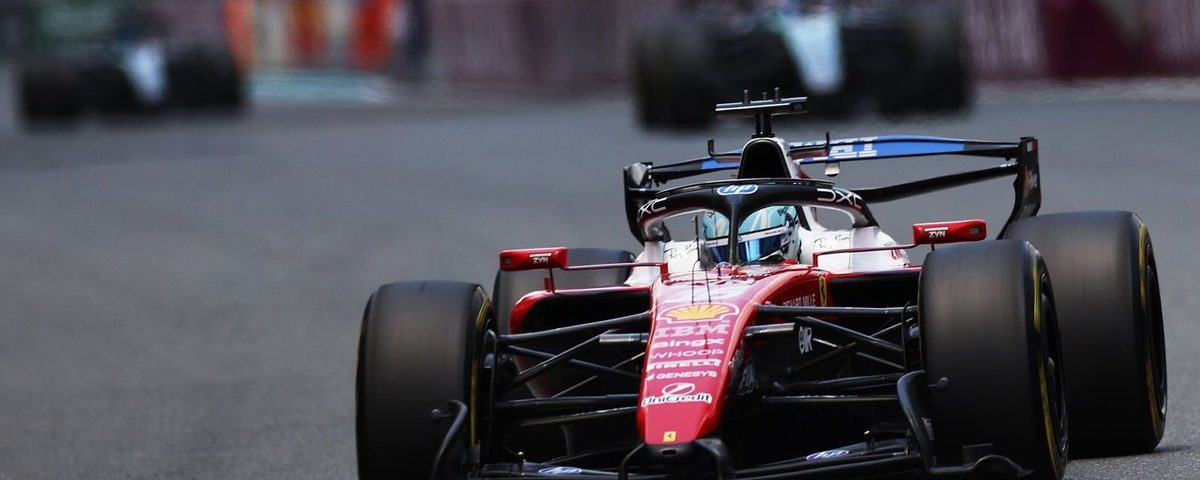
- The FIA has officially banned active aerodynamics at the Monaco Grand Prix for safety reasons.
- This decision could significantly impact car performance and race strategy.
- Fans can expect a more traditional racing approach with fixed aerodynamics.
- Teams may need to adjust their setups for upcoming races, particularly in how they manage tire wear and downforce.
- The ban will influence standings and driver performance, potentially reshaping championship dynamics.
The world of Formula 1 has been rocked by the FIA’s recent decision to ban active aerodynamic systems at the upcoming Monaco Grand Prix. This landmark ruling, announced on May 29, 2026, comes amid growing concerns over driver safety, particularly at the notorious exit of the Tunnel, where high speeds can lead to dangerous situations due to limited run-off areas. As teams prepare for this iconic race in Monte Carlo, the implications of this decision extend far beyond a single event.
Formula 1: What You Need to Know
Active aerodynamics have been a key feature of the 2026 Formula 1 cars, designed to enhance performance by adjusting wing angles and other aerodynamic components in real-time. However, the potential for cars to become excessively fast—especially in a location known for tight corners and minimal escape routes—prompted the governing body to take a precautionary stance. With the ban in place, teams will revert to fixed aerodynamic settings for the Monaco GP, a change that will undoubtedly influence race results, qualifying strategies, and the overall championship picture.
One immediate consequence of this ban is the alteration of race strategies for drivers and their teams. Teams that have invested heavily in technologies designed to optimize performance through active aero will have to recalibrate their approaches. For instance, drivers may need to rely more heavily on traditional mechanical grip and tire management as they navigate the challenging streets of Monaco. This could lead to slower lap times and potentially less thrilling on-track action compared to what fans have come to expect from modern F1 racing.
Moreover, the fixed aerodynamic settings could level the playing field, allowing drivers who excel in car control and tire management to shine. This might favor those with a more conservative driving style, which could lead to surprising outcomes in the race results. Teams like Mercedes and Red Bull, known for their cutting-edge technology and aggressive setups, may find themselves on the back foot against rivals like Ferrari or McLaren, who might adapt more quickly to the changes.
Analysis & Key Takeaways
Looking ahead, the implications of this decision are profound. The Monaco GP is just one of many fixtures on the F1 calendar, and the absence of active aero could have a cascading effect on the subsequent races. As teams refine their setups, the championship standings could experience significant shifts. If drivers accustomed to aggressive setups struggle to adapt, it may impact their performance in future races, leading to potential surprises in the driver standings.
Moreover, fan expectations for the Monaco GP will likely shift. Traditionally, the race is a showcase of speed, skill, and cutting-edge technology. With the ban on active aerodynamics, fans might anticipate a more classic racing experience, albeit one that could lack the high-octane excitement typically associated with modern F1. The allure of Monaco lies not just in its glamour and prestige, but also in its historical significance in the sport. This year, the race may serve as a reminder of the delicate balance between progress and safety in the relentless pursuit of speed.
In the weeks leading up to the Monaco GP, teams will undoubtedly engage in intense preparations to adapt to the new regulations. Engineers will be tasked with optimizing fixed aerodynamic configurations to minimize performance loss, while drivers will focus on honing their skills in managing grip and tire degradation. The pressure will be on; the championship is still very much up for grabs, and every point counts as the season progresses.
Ultimately, the FIA’s decision to ban active aero at the Monaco Grand Prix is more than just a rule change. It reflects a broader commitment to safety in Formula 1, while also heralding a new era of racing that harks back to the sport’s roots. As fans and teams alike gear up for what promises to be a captivating race, the focus will shift from the cutting-edge technology of active aerodynamics to the timeless virtues of skill, strategy, and resilience.
What happens at Monaco could set the tone for the remainder of the season. As teams adjust to these new realities, we may see an evolution in how races are approached, and in turn, how champions are crowned. The implications of this decision will resonate throughout the championship, making it a pivotal moment in the 2026 Formula 1 season.
At our editorial desk, we recognize that this ban on active aerodynamics could serve as a catalyst for discussions around technological advancements in Formula 1. While the FIA's intention is undoubtedly rooted in safety, the question arises: Is this a step backward for the sport? We believe it reflects the ongoing tension between innovation and risk management—a theme that has pervaded motorsport for decades.<br />
As fans, we are keenly aware that the spectacle of F1 is as much about cutting-edge technology as it is about the raw talent of drivers. The absence of active aero may lead to a more level playing field, but it also risks diminishing the excitement that comes with seeing teams push the boundaries of what is possible. We are left to wonder how this decision will shape not only the Monaco GP but also the broader narrative of the championship and the future of Formula 1 itself.
Source: Active aero banned at F1 Monaco GP
Sports News Plus is a news aggregator. We do not own or claim rights to any images, videos, or source content featured on this site. All images and media are the property of their respective original owners and publishers. Article content is independently written based on publicly available news sources, which are credited and linked throughout. Full disclosure →