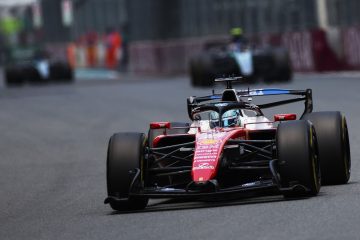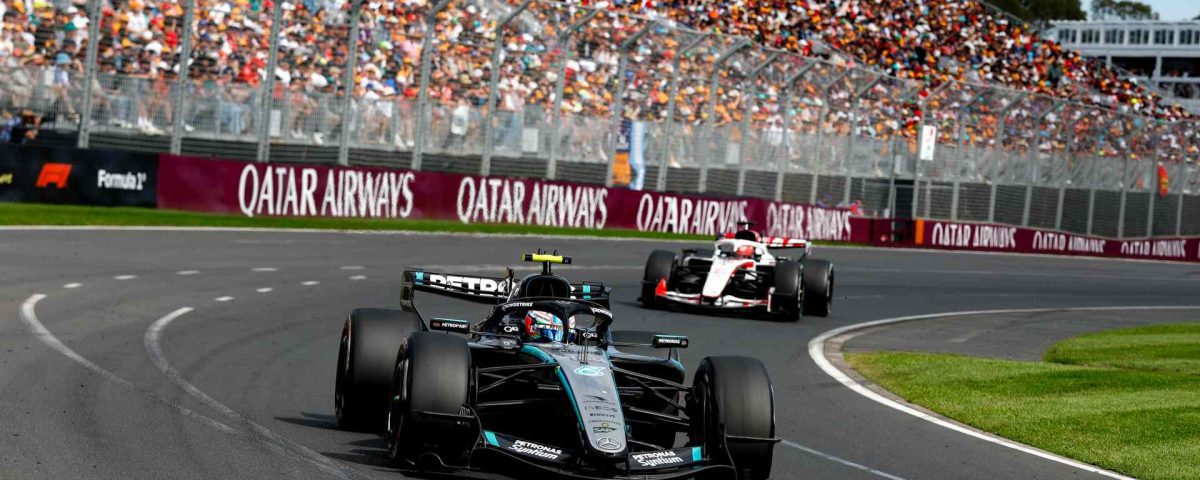
- Formula 1 is contemplating shortening race distances in 2027.
- This change aims to help teams adapt to new power unit regulations.
- The potential modification could alter race strategy and qualifying approaches.
- Teams will need to rethink their engine management and tire strategies.
- The move may impact the championship landscape significantly going forward.
In an intriguing development for the motorsport world, Formula 1 is considering the possibility of shortening selected race distances starting in 2027. This potential change comes as teams prepare for a significant shift in power unit regulations, aimed at making the sport more sustainable and competitive. The discussions were recently revealed, sparking a wave of speculation about how such alterations could reshape the championship landscape.
The proposed alterations to race distances could have a profound impact on race strategies and the overall competitive dynamic within Formula 1. Traditionally, races have adhered to uniform distances, typically spanning around 305 kilometers. However, as teams grapple with new engine rules that promise to change the way cars perform, the idea of varying race lengths has emerged as a possible solution. This strategy could help ease the transition for teams while maintaining the excitement that fans expect from each Grand Prix.
One of the immediate implications of adjusting race distances is how it could influence race results. Shorter races may lead to more aggressive driving and strategic overtakes, as teams may no longer need to conserve fuel or tire life for the latter stages of a race. For drivers and teams, this could create a more unpredictable environment where the championship outcome becomes harder to forecast. Qualifying strategies may also shift, with teams potentially focusing more on outright speed rather than a balance of performance over extended runs.
As the 2027 season approaches, teams will need to adapt their strategies not just for qualifying but also for race day. A shorter race could mean a shift in tire strategies, with teams opting for softer compounds that provide quicker lap times but deteriorate faster. The balance of risk versus reward will become crucial, particularly in the championship context, where every point counts.
Engine Regulations and Their Impact
The forthcoming changes to engine regulations are grounded in Formula 1’s commitment to sustainability and innovation. This shift includes a move towards hybrid power units, which will require teams to rethink their engine management strategies. Shortening race distances could help teams mitigate some of the pressures associated with these new engines.
Additionally, the need for teams to manage energy recovery systems effectively could become even more critical in shorter races. The potential for increased reliability issues under the new regulations means that teams will need to ensure their power units perform optimally over reduced distances. As such, a tactical transition will be necessary, balancing speed while ensuring durability to avoid costly retirements.
Furthermore, the championship implications of these changes could be significant. A more dynamic race environment might lead to unexpected results, potentially favoring teams that excel in quick, aggressive driving styles. Teams like Red Bull and Mercedes, known for their strong qualifying performances, could find themselves at an advantage if race distances are cut, allowing them to leverage their speed more effectively.
Tactical Breakdown: Strategic Adjustments Ahead
The proposed shortening of races introduces a tactical dimension that teams must carefully navigate. With less distance to cover, the focus will shift to maximizing performance in shorter stints. This will influence everything from pit stop strategies to tire compound choices. Teams will need to consider the balance between fresh tires for immediate speed versus longer stints on hard compounds that offer consistency but may lack peak performance.
Moreover, the qualifying sessions will take on new significance. As teams scramble to secure a front-row position, the stakes will be raised, leading to potentially more aggressive tactics. Expect to see teams experimenting with low-fuel runs and tire strategies to gain an edge during qualifying, knowing that the race will be shorter and thus less forgiving for mistakes or miscalculations.
Additionally, driver adaptability will play a crucial role in this new landscape. The ability to quickly assess track conditions and capitalize on opportunities will be paramount, especially under the pressure of a shortened race. The mental and physical demands on drivers will intensify, as every lap becomes critical to securing a favorable race result.
As we evaluate the potential ramifications of these proposed changes to race distances in Formula 1, it becomes clear that the landscape of the championship could shift dramatically. The ability to adapt quickly will not only be vital for teams but also for drivers who must recalibrate their strategies in real-time. We believe that the teams most capable of embracing these changes will find themselves at a significant advantage, particularly in the early stages of the new regulations.<br />
Moreover, the unpredictability introduced by shorter races could elevate the excitement for fans, possibly drawing in new viewers who thrive on high-octane action. While traditionalists may lament the loss of uniform race lengths, the reality is that Formula 1 must evolve to remain relevant. Embracing innovation while respecting the core tenets of racing will be the balance that defines the sport in the coming years.
Source: F1 could shorten selected races in 2027 to help teams cope with engine rules change | Formula 1
Sports News Plus is a news aggregator. We do not own or claim rights to any images, videos, or source content featured on this site. All images and media are the property of their respective original owners and publishers. Article content is independently written based on publicly available news sources, which are credited and linked throughout. Full disclosure →