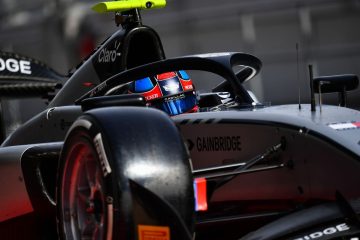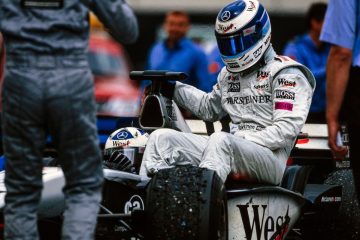
- Kimi Antonelli became the youngest polesitter in Formula 1 history at just 19 years, 6 months, and 18 days.
- He surpassed Sebastian Vettel's previous record set in 2008.
- Antonelli's achievement marks a significant milestone for young talent in motorsport.
- His pole position indicates potential shifts in race results throughout the championship season.
- As the youngest polesitter, Antonelli's future performances may redefine competitive dynamics in Formula 1.
In an exhilarating moment for motorsport, Kimi Antonelli has etched his name in the annals of Formula 1 history by becoming the youngest polesitter ever. This groundbreaking achievement occurred during the 2026 Chinese Grand Prix, where the 19-year-old showcased his exceptional talent. Antonelli’s time in qualifying not only eclipsed the previous record held by Sebastian Vettel—who was 21 years, 2 months, and 11 days old when he took pole in 2008—but it also signals a potential generational shift in the sport.
The significance of this record cannot be overstated. It is not merely about a number; it represents the emergence of a new class of drivers who are proving that age is just a statistic in a sport where experience is often deemed paramount. Antonelli’s feat sparks discussions around the evolving landscape of Formula 1, where young drivers are increasingly taking center stage in a sport traditionally dominated by seasoned professionals.
As this narrative unfolds, it is essential to consider the implications for the current championship. With Antonelli’s pole position, fans and analysts alike will be eager to see how this young talent performs in the race itself. Pole positions often serve as a strong indicator of potential race results, and Antonelli’s ability to convert this opportunity into a race win could further solidify his status as a rising star in Formula 1.
The Rise of Young Talent in Formula 1
Kimi Antonelli’s record serves as a clarion call for the next generation of drivers. It highlights a trend in Formula 1 where teams are more willing to invest in young talent. Traditionally, the sport has relied heavily on experienced drivers, but the shift towards nurturing young racers is growing. Antonelli is not alone; many drivers in the current grid are much younger than their predecessors, showcasing an influx of youthful energy into the sport.
This trend reflects a broader cultural shift in motorsport, where age no longer equates to wisdom or superiority. Teams are recognizing that the skills required to excel in Formula 1 can be cultivated early, and as seen with Antonelli, these young drivers are ready to face the challenges of the circuit. This evolution could lead to a more dynamic and competitive championship, one that is not only thrilling for fans but also beneficial for the sport’s growth.
Furthermore, the presence of young performers like Antonelli could see a shift in team strategies. Teams may increasingly prioritize young talent who can bring fresh perspectives and adaptability to their racecraft. This shift might also influence sponsorship dynamics, as brands seek to connect with a younger audience through these emerging stars.
Looking Ahead: Antonelli’s Future in Formula 1
As we gaze into the future, the question remains: what does this record mean for Kimi Antonelli and the broader Formula 1 landscape? If his performance in the Chinese Grand Prix is any indication, we might be witnessing the rise of a future champion. The ability to handle pressure at such a young age is an invaluable trait that, if nurtured correctly, could lead to significant achievements in the coming seasons.
Moreover, Antonelli’s presence in the sport opens up conversations about the sustainability of such young talent. Will teams continue to support these drivers as they transition from juniors to Formula 1, or will the pressures of performance lead to burnout?
Ultimately, Kimi Antonelli’s achievement as the youngest polesitter is more than a record; it represents a potential turning point in Formula 1, where young drivers could redefine the competitive landscape of the championship. As fans, we should remain keenly aware of how this young racer develops in the future, as he may not just be a flash in the pan but possibly a central figure in the next chapter of Formula 1 history.
We find ourselves at a fascinating juncture in Formula 1, where Kimi Antonelli’s record has opened new avenues for analysis. His achievement signals not just the culmination of individual talent but also a systemic shift in how teams perceive and cultivate talent. The increasing prevalence of younger drivers suggests that the sport may be on the cusp of a renaissance, where experience is balanced with youthful dynamism. This begs the question: will we begin to see a more aggressive racing style that favors innovation over tradition?<br />
As we look to the future, we wonder how this trend will impact the established veterans of the sport. Will they adapt to the fresh approaches brought by younger drivers, or will their experience prove too valuable to be overshadowed? The championship dynamics could become increasingly unpredictable, and that is precisely what makes this era of Formula 1 so compelling.
Source: The ‘youngest ever’ F1 records Kimi Antonelli can still beat
Sports News Plus is a news aggregator. We do not own or claim rights to any images, videos, or source content featured on this site. All images and media are the property of their respective original owners and publishers. Article content is independently written based on publicly available news sources, which are credited and linked throughout. Full disclosure →