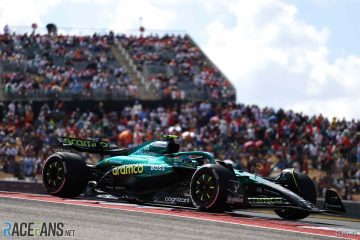
- The debate over Formula 1's authenticity intensifies as entertainment factors rise.
- Changes in qualifying and race dynamics have shifted focus away from pure competition.
- Fan reactions highlight a split between traditionalists and newer audiences.
- Teams adapt to technological advancements, potentially diminishing driver skill importance.
- The championship's future may hinge on balancing entertainment and competitive integrity.
On May 31, 2026, a lively discussion emerged regarding the nature of Formula 1, the iconic motorsport series that has captivated global audiences for decades. This debate centers on whether the sport has evolved into an artifice designed for entertainment rather than a genuine competition between the world’s best drivers, teams, and vehicles. As the season progresses, fans and experts alike are questioning how innovations like yo-yo racing, speed cuts, and performance balancing are impacting race results and the overall championship narrative.
Formula 1: What You Need to Know
Formula 1 has long been considered the pinnacle of motorsport, showcasing the best in engineering and driver skill. However, the introduction of complex strategies and technological enhancements has sparked concerns that the essence of racing is being overshadowed by a manufactured spectacle. The recent changes in qualifying formats and race regulations have prompted fans to wonder if the sport is sacrificing authenticity at the altar of entertainment.
One key aspect of this ongoing discussion is the evolving nature of qualifying sessions. Traditionally, qualifying was a test of raw speed and driver skill, determining the starting grid based solely on performance. Now, with the advent of new regulations and methods, teams are often focusing on managing their tire usage and optimizing their setups for the race ahead rather than purely aiming for the fastest lap. This strategic shift can lead to outcomes that feel less about driver prowess and more about calculated tactics.
The introduction of speed cuts and performance balancing, aimed at enhancing competitive racing, has also stirred debate. While these innovations can create closer racing and unpredictable outcomes, they may inadvertently undermine the hard-fought race results that fans hold dear. The reliance on technological adjustments can dilute the narrative of a championship built on individual talent and effort.
Analysis & Key Takeaways
As we dissect the implications of these changes, it’s crucial to recognize the diverse opinions within the fanbase. Some traditionalists argue that the purity of the sport is being compromised, pointing to the increasing reliance on team strategies and performance-enhancing technologies. On the other hand, newer fans often appreciate the dramatic storylines these innovations create, seeing value in the enhanced spectacle and entertainment value.
Moreover, as Formula 1 continues to chase a broader audience, the question arises: can it maintain its status as a legitimate sport while embracing entertainment-driven changes? The risk of alienating dedicated fans is real, as they may feel disconnected from a racing experience that no longer prioritizes driver skill above all else.
It is also worth considering that the influence of social media and digital platforms has changed how fans engage with Formula 1. The sport has become more accessible, with live streaming, behind-the-scenes content, and interactive features drawing in younger audiences. However, this shift can lead to a more transient fanbase that values excitement over tradition. The emotional pull of witnessing a driver push their limits on the track is often overshadowed by the allure of sharing viral moments online.
As we look ahead to the future of Formula 1, the challenge lies in striking a balance between maintaining competitive integrity and providing an engaging spectacle. The sport must navigate the fine line of enhancing entertainment while ensuring that race results reflect genuine skill and effort. If Formula 1 can successfully merge these elements, it may not only preserve its authenticity but also attract a wider audience without sacrificing its rich heritage.
In conclusion, the ongoing discourse around Formula 1’s artificiality versus authenticity is a reflection of broader changes in sports entertainment. While innovations can enhance the championship experience, they must not overshadow the fundamental qualities that define motorsport. As fans, teams, and organizers grapple with these issues, the evolution of Formula 1 will continue to captivate and challenge perceptions, driving us to reimagine what it means to be a part of this legendary sport.
In our view, the current trajectory of Formula 1 suggests an impending crossroads for the championship. As the sport embraces technology and entertainment-driven strategies, we may witness a significant shift in how racing is perceived. Should the emphasis on spectacle continue to outweigh competitive integrity, we could see a fracturing of the fanbase, with traditionalists disillusioned by a sport they no longer recognize.<br />
We believe that the future of Formula 1 will depend heavily on how well it can integrate these changes while respecting its core values. Perhaps a hybrid approach—where technology enhances rather than dictates race outcomes—could serve as a solution. This way, the thrill of competition, driven by both human skill and technological prowess, can coexist, ensuring that Formula 1 remains both a true motorsport and a compelling entertainment product.
Source: Yo-yo racing, speed cuts, performance balancing: Is F1 too artificial now? | Debates and Polls
Sports News Plus is a news aggregator. We do not own or claim rights to any images, videos, or source content featured on this site. All images and media are the property of their respective original owners and publishers. Article content is independently written based on publicly available news sources, which are credited and linked throughout. Full disclosure →