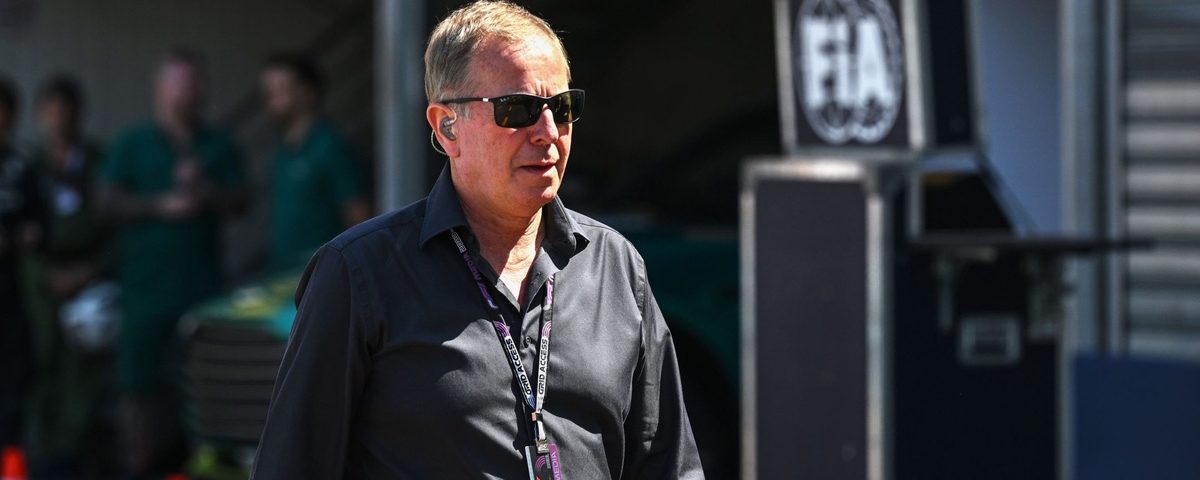
- Martin Brundle describes the Monaco GP penalty situation as a complex mess.
- Pierre Gasly's reinstated podium spot has sparked controversy in Formula 1.
- The handling of the penalties raises questions about race result integrity.
- Brundle indicates that no straightforward solution exists for these issues.
- The ongoing debate could have lasting implications for the championship standings.
Monaco GP penalties In a recent post-race column, former Formula 1 driver and Sky Sports analyst Martin Brundle discussed the fallout from the Monaco Grand Prix, where the handling of pitlane penalties and the reinstatement of Pierre Gasly’s podium position have left many in the motorsport community perplexed. This analysis follows the Barcelona-Catalunya Grand Prix on June 18, 2026, where Lewis Hamilton claimed his first race victory for Ferrari. As such, the implications of the Monaco GP penalty saga have taken on heightened significance in the context of the current championship battle.
Monaco GP penalties: What You Need to Know
The Monaco Grand Prix, held on the iconic streets of Monte Carlo, is one of the most prestigious events on the Formula 1 calendar. However, the race this year became overshadowed by controversies surrounding how penalties were administered, particularly in the pitlane. Brundle’s comments highlight a growing sentiment that the governing body, FIA, faces significant challenges in maintaining clarity and fairness in Formula 1’s race results, especially during high-stakes events in the championship.
At the heart of the issue are the penalties handed down during the Monaco GP, which have drawn criticism for their inconsistency and perceived lack of transparency. The pitlane incidents that involved multiple drivers, including Gasly, sparked debates about the rules’ application. In an environment where every point counts towards the championship standings, these penalties have the potential to sway the outcome of the season, making their fair assessment crucial.
In the wake of the Monaco GP, the qualifying rounds for the next races will also come under scrutiny. The performance during qualifying sessions sets the stage for race results, and any lingering doubts about the fairness of penalties could lead to heightened tensions and mistrust among teams and drivers alike. The championship is tightly contested, and each race’s outcome could have significant ramifications for the title chase.
Analysis & Key Takeaways
Furthermore, the reinstatement of Pierre Gasly’s podium position after a review has set a precedent that may complicate future decisions. While it may seem like a fair resolution, it also raises questions about the consistency of penalties applied during races. If drivers believe that they can successfully appeal penalties, it could lead to a more chaotic environment on the track, with drivers taking risks knowing that they might be able to overturn decisions post-race.
As the season progresses, the Formula 1 governing body will need to address these concerns urgently. A lack of clear communication and consistent application of the rules could not only undermine the integrity of individual race results but could also tarnish the championship’s credibility as a whole. With the fans and teams closely watching, it is imperative that the FIA takes decisive action to ensure that race regulations are upheld uniformly and transparently.
The fallout from the Monaco GP is likely to reverberate across the paddock, influencing strategies and team dynamics as we approach the next races. The championship is still within reach for several contenders, and the implications of these penalties could reshape the competitive landscape significantly. How the FIA responds will be critical, not only for the current season but also for the future of Formula 1.
In conclusion, the Monaco GP penalty saga serves as a stark reminder of the fine line that Formula 1 must walk between enforcing rules and preserving the spirit of competition. With a passionate fan base and a rich history, the sport must strive to maintain its integrity, ensuring that each championship battle is fought on equal footing. The coming weeks will be vital as teams and drivers prepare for the next set of races, and how they navigate the ongoing fallout will be a story worth following closely.
As we reflect on Brundle's insights, it becomes clear that the challenges faced by the FIA transcend the mere application of rules. This situation may serve as a catalyst for broader discussions on how the governing body can evolve its regulations to meet the expectations of modern motorsport. We believe that a comprehensive review of the penalty system is needed, one that incorporates input from teams, drivers, and fans alike.<br />
Moreover, this incident could mark a pivotal moment for how Formula 1 handles appeals and penalties in the future. If the FIA does not take proactive steps to address these shortcomings, we risk entering a period of increased skepticism and controversy that could overshadow the thrilling narratives within the championship. The need for transparency and consistency has never been more pressing, and how the FIA chooses to act in the coming races will determine not only the championship's integrity but also the fans' trust in the sport.
Source: Martin Brundle warns Monaco GP penalty saga has "no easy solution"
Sports News Plus is a news aggregator. We do not own or claim rights to any images, videos, or source content featured on this site. All images and media are the property of their respective original owners and publishers. Article content is independently written based on publicly available news sources, which are credited and linked throughout. Full disclosure →