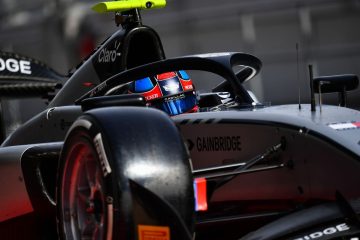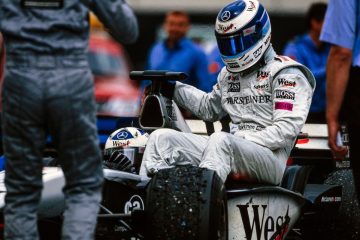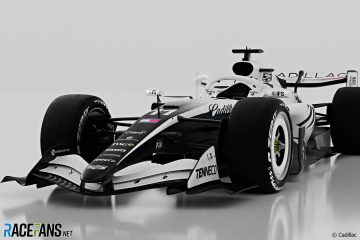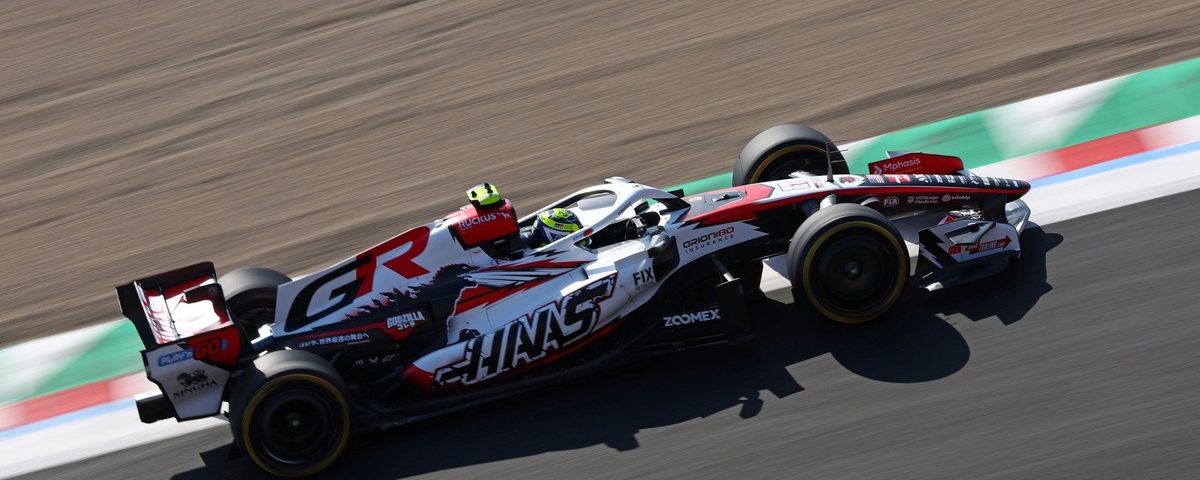
- Haas F1 has begun to establish itself as a competitive force in the 2026 Formula 1 season.
- The team’s eighth-place finish in 2025 was pivotal for their strategic adjustments.
- Strong qualifying sessions have contributed to Haas’s recent successes on the track.
- Innovative engineering and smart resource allocation have been key to their growth.
- Looking ahead, Haas could solidify its midfield presence if current performance trends continue.
In the ever-evolving landscape of Formula 1, the Haas F1 Team has emerged as a surprisingly resilient contender in the 2026 season. After a tumultuous 2025 campaign that concluded with an eighth-place finish, the team has found its footing amidst the changing regulatory environment and intensified competition. This transformation is not merely a matter of luck; it represents a carefully crafted strategy that has come to fruition at pivotal moments throughout the early races of the season.
Haas F1 Team: What You Need to Know
Haas’s progress can be traced back to the final races of 2025, where the team engaged in a fierce contest with the likes of Racing Bulls, Aston Martin, and Sauber. The close battles not only honed the team’s competitive instincts but also offered valuable insights into areas requiring enhancement. The culmination of these experiences has resulted in improved performance metrics and race results that have allowed them to ascend the rankings in 2026.
What sets the Haas F1 Team apart from its competitors is its ability to adapt to the ongoing technical regulations that the FIA has rolled out. These regulations often favor teams with deeper pockets; however, Haas has leveraged its unique position as a smaller team to innovate in ways that larger teams may overlook. The team’s engineering department has prioritized a balanced approach to car setup, focusing not only on raw speed but also on tire management and aerodynamics, which are crucial for maximizing qualifying performance and race day execution.
The 2026 season has seen Haas consistently outperform expectations during qualifying sessions, securing better starting positions that have become crucial in a sport where track position can dictate race outcomes. The team’s strategic choices in tire selection and pit stop timings have further optimized race results, allowing them to capitalize on the misfortunes of more established teams. By focusing on strategic execution, Haas has become a formidable presence in the midfield, often finishing races ahead of teams with larger budgets and more extensive resources.
Analysis & Key Takeaways
The core of Haas’s resurgence lies in its leadership and vision. The team principal and engineering staff have fostered a culture of resilience and innovation, ensuring that each race is approached as an opportunity rather than a challenge. This mindset has not only motivated the team but has also attracted talent from other top teams, further enhancing Haas’s capabilities on and off the track.
Moreover, the financial framework of the team should not be overlooked. With the recent changes to the F1 budget cap, smaller teams like Haas are finding it easier to compete on a more level playing field. The strategic investments made in technology and personnel are beginning to bear fruit, and the team’s ability to stay within budget while pushing the envelope of performance will be key as the championship progresses.
As we look to the remainder of the 2026 season, it will be fascinating to see how Haas continues to navigate the challenges of the championship. The landscape of Formula 1 is notoriously unpredictable, but the team’s current trajectory suggests that they could solidify their reputation as a serious midfield competitor. Their ability to maintain this momentum will depend on consistent performance, strategic foresight, and, crucially, the team’s capacity to withstand any future regulatory shifts.
In an era where Formula 1 is becoming increasingly competitive, the story of Haas F1 serves as a compelling reminder that determination and strategic innovation can lead to success against the odds. As the team continues to build on its foundation, we may witness a new chapter in their history—one that could redefine their standing in the sport for years to come.
From our perspective, Haas F1’s growth serves as a case study in how smaller teams can redefine their trajectories in a sport dominated by larger franchises. The ability to adapt quickly to changes in regulations and capitalize on strategic advantages is a skill that many teams overlook. We believe that if Haas continues to attract talented personnel and make prudent investments in technology, they stand to disrupt the traditional hierarchy of Formula 1 significantly.<br />
Looking ahead, the looming question is whether Haas can maintain this upward trend as other teams begin to catch up. The competitive spirit of Formula 1 means that success can be fleeting, but Haas's recent resilience suggests they are on the verge of establishing themselves as a consistent midfield contender, a feat that could change the dynamics of the championship significantly.
Source: How F1's smallest team has weathered the 2026 storm and started thriving
Sports News Plus is a news aggregator. We do not own or claim rights to any images, videos, or source content featured on this site. All images and media are the property of their respective original owners and publishers. Article content is independently written based on publicly available news sources, which are credited and linked throughout. Full disclosure →