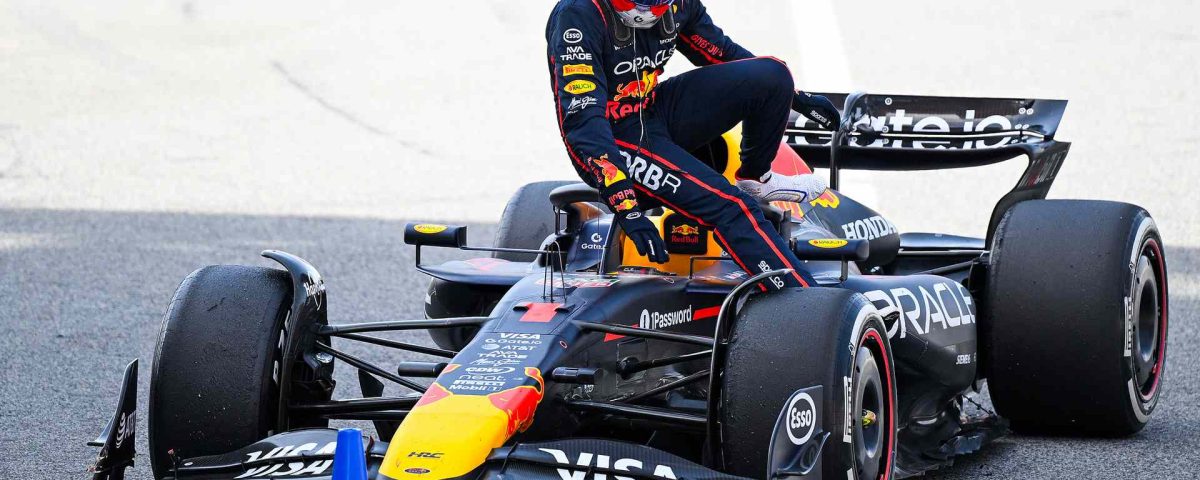
- A Sky F1 presenter recently faced severe online harassment following an interview with Max Verstappen.
- This incident underscores the intense scrutiny F1 journalists endure amid high-stakes competition.
- Social media has become a battleground for fans and professionals, amplifying negative sentiments.
- Verstappen's championship position intensifies the narrative around media interactions and public response.
- Future interviews may see changes in approach as journalists seek to mitigate potential backlash.
On June 22, 2026, a Sky F1 presenter became the target of a wave of online abuse following an interview with reigning Formula 1 champion Max Verstappen. The incident, reported in the latest RaceFans round-up, highlights the intense scrutiny faced by journalists in the fast-paced world of motorsport. As Verstappen continues to dominate the championship standings, the pressures surrounding media coverage and public perception have only escalated.
Formula 1: What You Need to Know
The relationship between drivers and journalists has always been complex, but the current climate in Formula 1 has intensified this dynamic. With fans passionately divided over their favorite drivers, every interview can become a potential flashpoint. In Verstappen’s case, his outspoken personality and controversial moments on the track have only fueled the fire, making him a polarizing figure in the paddock.
Social media platforms serve as a double-edged sword for Formula 1 journalists. While they can enhance engagement and provide a real-time connection to fans, they also expose reporters to a deluge of opinions, many of which can turn vitriolic. The recent abuse directed at the Sky F1 presenter serves as a stark reminder of the risks involved in covering the sport. It raises questions about the mental health of those who work within this demanding environment, where the line between professional reporting and personal attacks can easily blur.
The context of this incident is critical. As the Formula 1 season progresses and the race results become more consequential, journalists face increasing pressure to deliver insightful, timely pieces. The stakes are high, especially when a driver’s performance can significantly impact their championship standing. Verstappen, currently leading the championship, has become a focal point for media narratives. His success translates into greater visibility for journalists, but it also attracts more scrutiny from fans, leading to potential backlash when opinions clash.
Analysis & Key Takeaways
Tactical Breakdown
Analyzing the strategic implications of Verstappen’s current championship dominance, we find that his performance not only shapes race results but also influences the broader narrative of the season. The psychological impact of being a front-runner cannot be understated; Verstappen’s position creates a target on his back, not just from competitors on the track, but also from media and fans alike.
The pressure of maintaining his lead can affect how he engages with the media. We may see a shift in his interview strategies; he could become more guarded or selective in his responses to minimize backlash. Additionally, teams may adjust their media training to better prepare drivers for the intense scrutiny that accompanies success. This could lead to less candid interactions, changing the fabric of Formula 1 journalism and how fans connect with their favorite drivers.
As the season continues, the tactical landscape could shift dramatically. Teams and drivers might need to adapt their media strategies, focusing more on damage control than on open dialogue. This may ultimately alter the relationship between journalists and competitors, leading to a more sanitized press environment where authenticity takes a backseat to public relations.
With the championship race heating up, the need for journalists to deliver compelling narratives becomes paramount. However, given the current hostile environment, we might witness a trend where journalists tread carefully to navigate the complex and often treacherous waters of Formula 1 reporting. This could lead to fewer in-depth interviews, as reporters seek to protect themselves from potential backlash.
The future landscape of Formula 1 journalism is at a crossroads. As drivers like Verstappen continue to dominate, the media’s approach to coverage will inevitably evolve. Journalists must balance the need for captivating content with the need for personal safety and mental well-being, raising important questions about the future of sports journalism in a hyper-connected world.
We believe the increasing hostility towards F1 journalists necessitates a serious conversation about the culture surrounding motorsport reporting. While fans are entitled to their opinions, the level of abuse witnessed in this incident is unacceptable. It highlights the urgent need for F1 to foster a more supportive environment for media professionals, acknowledging their role in the sport's ecosystem.<br />
Moreover, we predict that this issue will lead to broader discussions within the F1 community about mental health support for journalists. Teams, drivers, and the governing body must consider what measures they can implement to protect those who cover the sport. As the season progresses, keeping this conversation alive will be crucial for ensuring the integrity and safety of Formula 1 journalism.
Sports News Plus is a news aggregator. We do not own or claim rights to any images, videos, or source content featured on this site. All images and media are the property of their respective original owners and publishers. Article content is independently written based on publicly available news sources, which are credited and linked throughout. Full disclosure →