- Eddie Irvine criticizes current Formula 1 car safety regulations.
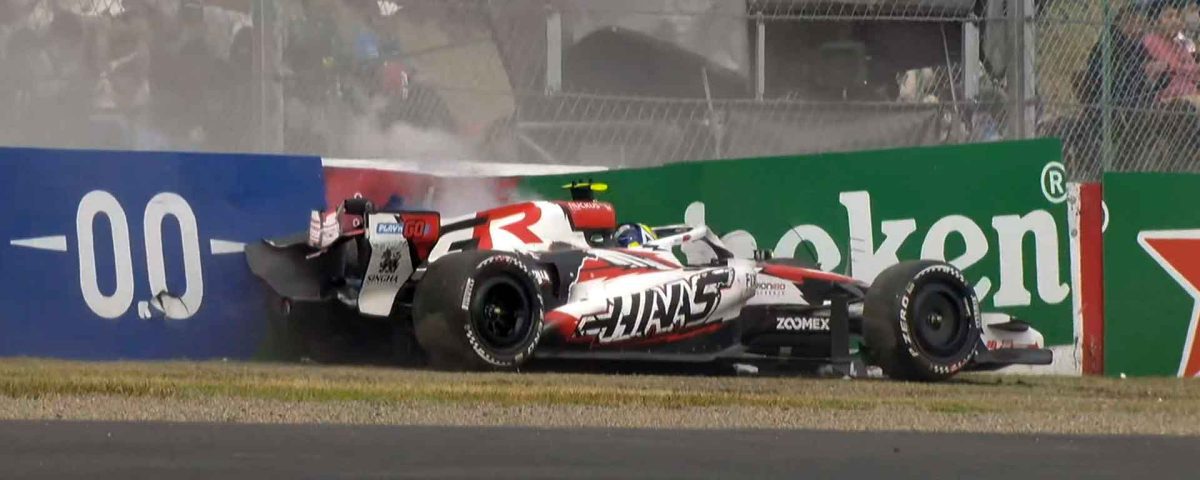
- The recent incident involving Bearman has reignited old fears.
- Fans express concern and debate the impact on their teams.
- Social media is buzzing with discussions around safety and regulations.
- The future of the championship hinges on how safety measures are addressed.
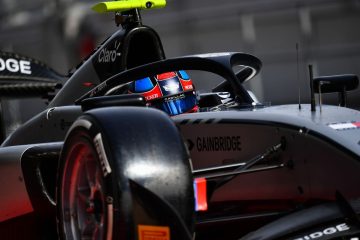
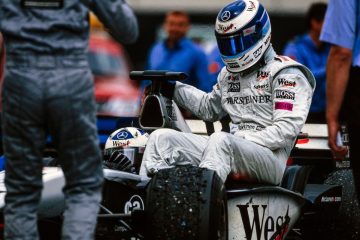
In recent discussions surrounding safety in Formula 1, former driver Eddie Irvine has brought attention to alarming concerns regarding the sport’s regulations. Following an incident involving driver Oliver Bearman, Irvine expressed that the current rules have rendered cars increasingly “dangerous”. This reflection is not just a critique of modern engineering but also a reminder of the deep-seated fears stemming from tragic events in the sport’s past, such as the infamous fatal crash of Ayrton Senna at Imola in 1994.
The incident with Bearman, which took place during a recent race, has sparked a wave of discussions within the motorsport community. It has left fans questioning the adequacy of the safety measures currently in place, especially given the high-speed nature of Formula 1. The tension surrounding safety regulations is palpable, as both drivers and fans weigh in on what should be done to prevent future tragedies on the track.
As the 2026 season unfolds, the implications of this conversation are significant for the ongoing championship. Teams are evaluating their safety protocols, while engineers are challenged to find a balance between performance and protection. Fans are particularly vocal on social media, where platforms like Twitter and Instagram have become battlegrounds for debate. Supporters are not only sharing their thoughts on the latest race result but are also examining how these incidents will affect the overall championship landscape.
Fan Reactions and Debates
The immediate aftermath of Bearman’s incident has stirred a variety of emotions among fans. Many have taken to platforms like Twitter to express their outrage over the perceived lack of adequate safety measures in Formula 1. The hashtag #F1Safety is trending, with supporters sharing their concerns regarding how the sport has evolved—or devolved—over the years.
Some fans are drawing parallels between the current situation and past tragedies, invoking the memory of the late driver Ayrton Senna, whose death in 1994 led to significant reforms in safety regulations. This historical context has heightened the urgency of the debate. Supporters are questioning whether the sport is adequately prepared to counter the risks associated with its high-speed nature, especially as teams push the limits of technology to achieve faster lap times.
Additionally, the conversation is not just about safety; it also involves how these incidents might influence the championship standings. Fans are pondering how the fallout from Bearman’s crash could affect their favorite teams’ performances and strategies moving forward. As drivers and teams react to safety concerns, it’s likely that we’ll witness shifts in race strategies that prioritize caution over aggression.
The Future of Formula 1 Safety
The recent discourse surrounding Eddie Irvine’s comments and the Bearman incident underscores a pivotal moment for Formula 1. As the sport continues to evolve, it must confront the dual challenge of maintaining high-speed excitement while ensuring the safety of drivers. The FIA, which governs Formula 1, is under pressure to reassess existing regulations and enhance safety protocols, especially in light of fan sentiment.
The upcoming races will serve as a litmus test for how effectively the sport can adapt its safety measures. With the championship intensifying, teams will be scrutinizing every aspect of their performance—from car design to pit strategies—with safety as a primary concern. If fans feel that the sport has not taken adequate steps to protect its athletes, it could lead to a significant shift in support, impacting viewership and attendance at races.
In conclusion, the intersection of safety and performance in Formula 1 is a complex issue that requires ongoing dialogue and immediate action. As discussions continue to resonate within the community, both fans and stakeholders will be watching closely to see how the sport navigates these challenges in a rapidly changing landscape.
As we digest the recent comments from Eddie Irvine and the ramifications of Bearman's incident, it's clear that Formula 1 is at a crossroads. The tension between the thrilling spectacle of racing and the safety of its participants has never been more pronounced. We believe that if the FIA does not act decisively, it may face a crisis of confidence from its fan base that could have long-lasting effects on the sport's popularity.<br />
Moreover, the discussions around safety can provide an opportunity for the sport to engage with its audience in a meaningful way. By actively involving fans in conversations about safety measures, Formula 1 could bolster its reputation and assure supporters that their concerns are being taken seriously. The sport must evolve, but it should do so with the voices of its dedicated fans guiding the way forward.
Source: Round-up: Bearman’s shunt reminds Irvine of Ogawa’s fatal Suzuka crash, and more | RaceFans Round-up
Sports News Plus is a news aggregator. We do not own or claim rights to any images, videos, or source content featured on this site. All images and media are the property of their respective original owners and publishers. Article content is independently written based on publicly available news sources, which are credited and linked throughout. Full disclosure →