- Formula E predicts it will match or exceed Formula 1 speeds within 2-6 years.
- Fans are divided on the implications of this potential shift in the racing landscape.
- Social media is abuzz with debates about technological advancements and team performances.
- The rivalry between Formula E and Formula 1 could reshape motorsport fan engagement.
- As speed becomes a point of contention, teams must adapt to maintain competitive relevance.
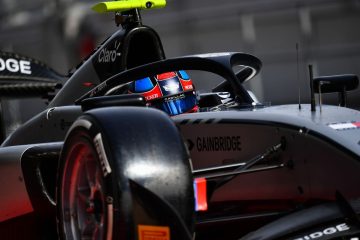
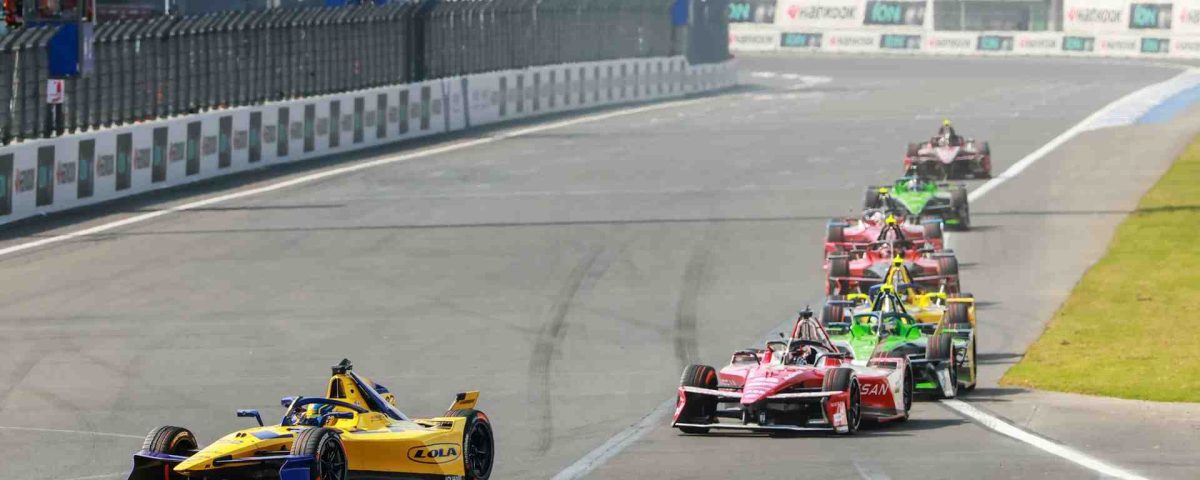
In a bold proclamation, officials from Formula E have stated that they expect their electric racing series to reach speeds that could rival, or even exceed, those of Formula 1 within the next two to six years. This announcement, made during the latest round of discussions on the future of motorsport, has sent shockwaves across the racing community. As fans eagerly anticipate how this potential evolution will affect their favorite teams and drivers, the implications for the motorsport landscape are profound.
Formula 1: What You Need to Know
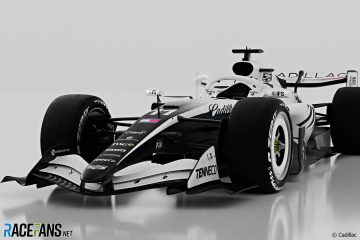
The Formula 1 championship has long been regarded as the pinnacle of motorsport, renowned for its cutting-edge technology and speed. However, with the growing emphasis on sustainability and electric vehicles, Formula E has been carving its niche in the racing world. The anticipated acceleration in Formula E’s performance raises questions about the future of both series and the fan dynamics that accompany them.
Social media platforms have become a battleground for fans discussing the ramifications of this announcement. On Twitter and Reddit, opinions are sharply divided. Some supporters of Formula 1 are skeptical, arguing that it will take more than just advancements in battery technology for Formula E to compete with the iconic speed and prestige of F1. Others are enthusiastic about the prospect of a new era in racing, one that prioritizes sustainability while delivering thrilling speed.
As the debate rages on, fans are also contemplating what this means for their teams’ seasons. The championship standings for Formula 1 are already close, and teams are strategizing how advancements in technology could affect their race results and qualifying performances. Teams that excel in aerodynamics and engine efficiency are closely monitoring developments in both series, knowing that a shift in speed dynamics could redefine competitive balance.
The discussion around this announcement touches on critical aspects of motorsport culture. For many fans, Formula 1 is not just about speed; it represents a legacy of engineering excellence and competitive spirit. The thought of an electric series challenging this legacy evokes mixed emotions among those who cherish the traditions of the sport.
Analysis & Key Takeaways
Formula E’s vision of achieving similar speeds within a few years is ambitious, yet it underscores a critical trend within the motorsport industry – the push towards sustainability. With manufacturers increasingly investing in electric technology, the advancements seen in Formula E could eventually bleed into Formula 1, creating a hybrid approach that marries speed with environmental responsibility.
As we look ahead, the implications of these developments could be far-reaching. The potential rivalry between Formula 1 and Formula E may ignite new interest in motorsports, drawing in a younger, more environmentally conscious audience that might not have previously engaged with racing. This could lead to cross-pollination of fanbases, with traditional F1 supporters exploring the benefits of electric racing.
Moreover, as Formula E gears up to compete on a new level, Formula 1 teams may find themselves under pressure to innovate even faster. The race to develop new technologies could result in thrilling improvements across both series, with teams forced to adapt their strategies and technologies to stay competitive.
With the future of motorsport hanging in the balance, fans will be closely watching how this rivalry unfolds. Will Formula E truly bridge the speed gap and challenge Formula 1’s dominance? Or will the foundational aspects of F1’s legacy continue to hold sway? As the season progresses, the race results and qualifying performances will offer clues to this evolving narrative.
We can expect more discussions and debates among fans as the season unfolds. The intertwining paths of Formula 1 and Formula E may very well redefine what it means to be a motorsport enthusiast in the coming years. Technologies will evolve, strategies will adapt, and the most passionate supporters will continue to engage in spirited discussions about the future of racing.
As we navigate the implications of Formula E's bold claim, it’s essential to consider how this will impact both series. While some fans view this as a legitimate challenge to Formula 1's supremacy, we believe it's more an invitation for innovation in an evolving landscape. Formula 1 has always been a leader in technological advancement; however, the rise of electric racing is forcing teams to rethink their strategies.<br />
We see a potential for Formula 1 to adapt and integrate what works from Formula E. Perhaps we will witness hybrid race formats or even joint events, enticing fans from both sides. The conversation isn't just about speed; it's about the future of racing itself and how both series can coexist, potentially elevating the standards of motorsport as we know it.
Sports News Plus is a news aggregator. We do not own or claim rights to any images, videos, or source content featured on this site. All images and media are the property of their respective original owners and publishers. Article content is independently written based on publicly available news sources, which are credited and linked throughout. Full disclosure →