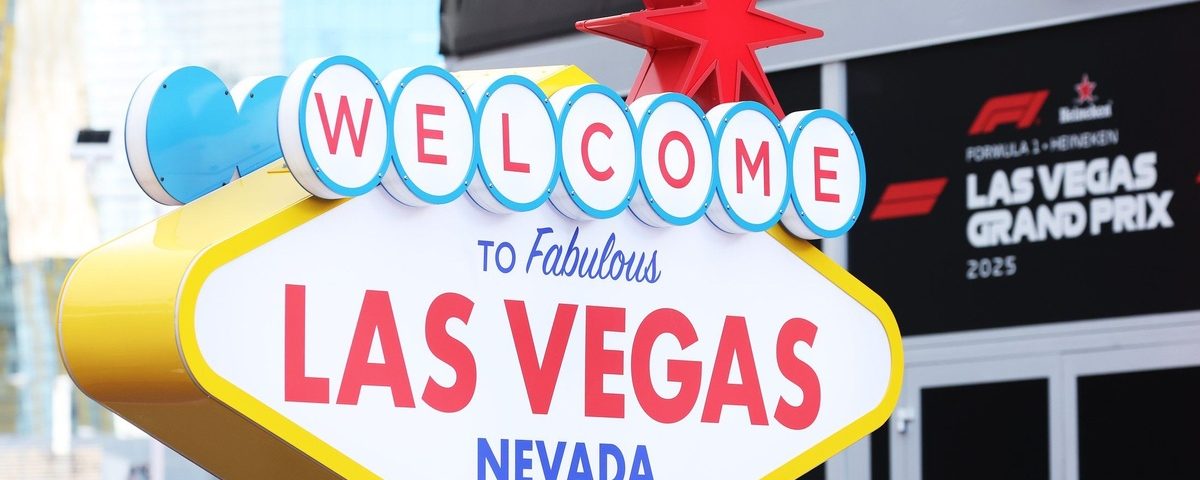
- F1 has secured a 10-year extension for the Las Vegas Grand Prix through 2037.
- This deal reflects F1's commitment to expanding its footprint in the United States.
- Fans are divided over the impact of the Las Vegas race on their teams’ championship hopes.
- Social media buzz reveals excitement mixed with skepticism about the race results.
- The extended contract could redefine the competitive landscape for upcoming seasons.
In a bold move to solidify its presence in the American motorsports landscape, Formula 1 has announced that the Las Vegas Grand Prix will remain a staple on the racing calendar until at least 2037. This 10-year extension comes after the initial three-year agreement, followed by two additional years agreed upon earlier. The Las Vegas Grand Prix debuted in 2023, and this latest development underscores F1’s strategic aim to enhance its popularity in the U.S., a market that has shown increasing interest in the sport.
The Las Vegas Strip, known for its vibrant nightlife and iconic landmarks, serves as a fitting backdrop for the glamour and glitz associated with Formula 1 racing. This contract extension is not merely a formality; it signals a long-term commitment to a city that has embraced the sport with open arms. As F1 expands its U.S. footprint, the excitement among fans and stakeholders alike is palpable.
However, the news is met with a mix of enthusiasm and skepticism from the fan base. Across various social media platforms, supporters are debating the implications of this extended contract. While some are thrilled at the prospect of Las Vegas becoming a permanent fixture in the Formula 1 calendar, others express concerns about the potential impact on their favorite teams and the overall championship race result.
Fan Reactions: The Pulse of Social Media
As news of the extension broke, fan reactions flooded social media. Hashtags like #F1LasVegas and #VegasGP trended as supporters shared their thoughts. Many fans expressed excitement over the return to Las Vegas, a location that has become synonymous with entertainment and luxury. This enthusiasm is largely driven by the unique nighttime race format that captures the thrill of F1 racing against the dazzling lights of the Strip.
However, there is a significant faction of fans who voice concerns about the impact of the Las Vegas Grand Prix on the championship. The debate revolves around how the unpredictable nature of street circuits could play a crucial role in determining race results and, consequently, championship standings. Fans of teams like Mercedes and Red Bull are particularly vocal, worrying that the street layout and the potential for accidents could derail their title aspirations.
Furthermore, discussions around ticket prices and accessibility have emerged. Las Vegas is known for its extravagant lifestyle, and some fans fear that the high costs associated with attending a race in such a location could alienate die-hard supporters who follow their teams through thick and thin. The sentiment is that while the spectacle of F1 in Las Vegas is appealing, it should remain inclusive for those who have supported the sport for years.
The Future of Formula 1 in the U.S.
The contract extension for the Las Vegas Grand Prix is part of a broader strategy for Formula 1 to secure its position in the U.S. market alongside existing races in Miami and Austin. This aggressive expansion is indicative of F1’s recognition of American audiences as key to its global strategy. As the sport continues to grow, the results on the track will play a significant role in shaping its image in this lucrative market.
Looking ahead, the extended presence in Las Vegas may lead to more collaborations with local brands and sponsors, enhancing the overall fan experience. The potential for technological innovations in race-day experiences—such as augmented reality and enhanced viewing options—could set new standards for how fans engage with the sport.
As teams prepare for the next championship season, they will need to strategize not only for traditional tracks but also for the unique challenges posed by the Las Vegas circuit. How drivers adapt to the street layout and the psychological aspect of racing in such a high-stakes environment will be crucial. The implications of this extended contract will be felt throughout the paddock as teams analyze past race results and adjust their approaches to qualifying and race day.
The excitement surrounding the Las Vegas Grand Prix is more than just about the glamour; it represents a pivotal moment in Formula 1’s efforts to connect with a new generation of fans. As discussions continue on social media, it is clear that the race will be a focal point of the upcoming season, influencing both team strategies and fan engagement.
As we reflect on the recent announcement regarding the Las Vegas Grand Prix, it’s clear that Formula 1 is taking bold steps to secure its future in the American market. The long-term contract not only signifies trust in the viability of the event but also showcases a keen understanding of the growing motorsports audience in the U.S. In our view, this could lead to a ripple effect for other markets, encouraging F1 to seek similar long-term commitments in cities that have the potential to embrace the sport with enthusiasm.<br />
This extension may ultimately elevate the competitive stakes in upcoming seasons. With Las Vegas now a fixture on the calendar, teams will need to recalibrate their strategies, especially when it comes to street circuits, which are often unpredictable. We anticipate that the impact of this extension will create fresh narratives around driver performances and team dynamics, particularly if a championship contender falters at this high-profile event.
Source: F1 to race in Las Vegas until 2037 after signing 10-year extension
Sports News Plus is a news aggregator. We do not own or claim rights to any images, videos, or source content featured on this site. All images and media are the property of their respective original owners and publishers. Article content is independently written based on publicly available news sources, which are credited and linked throughout. Full disclosure →