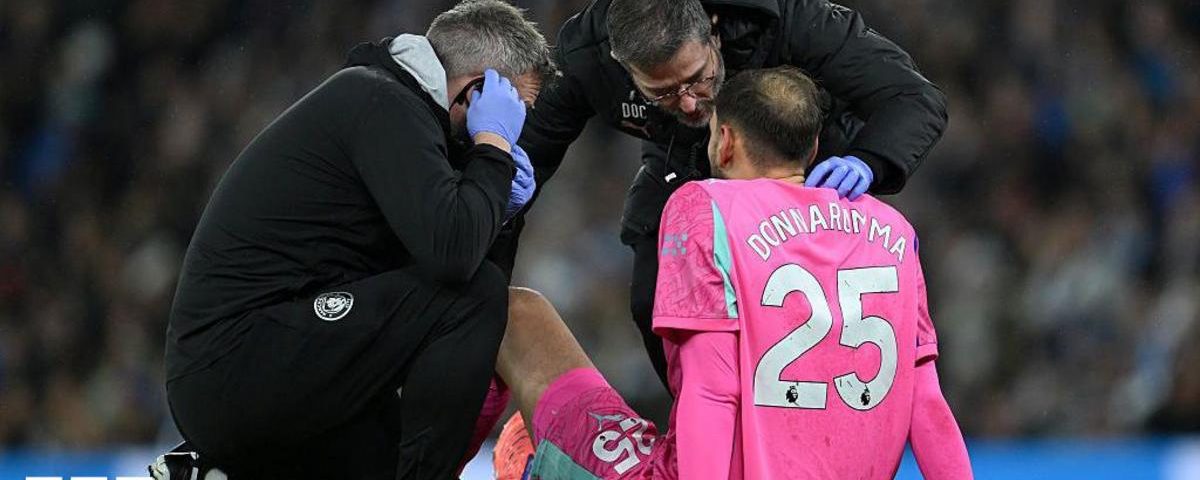
- English football has announced a trial to eliminate goalkeeper tactical timeouts.
- The initiative aims to enhance the pace of matches and maintain spectator engagement.
- Supporters are divided, with many expressing concerns over the potential impact on match results.
- Social media has seen heated debates, reflecting a mix of excitement and skepticism.
- The trial could set a precedent for future changes in the Premier League and beyond.
In a bold move aimed at refining the game, English football authorities have announced that a trial will take place to eradicate goalkeeper tactical timeouts during the upcoming season. This initiative comes as part of a broader effort to enhance the flow of play within matches, especially in the Premier League, where every second counts toward match results. The trial is set to begin in August 2026, coinciding with the start of the new season and amidst ongoing debates about how tactical decisions influence the beautiful game.
Goalkeeper tactical timeout: What You Need to Know
Goalkeeper tactical timeouts—situations where goalkeepers temporarily halt play to regain composure or orchestrate defensive strategies—have become increasingly common in matches. While some argue these moments allow teams to regroup and strategize, critics assert that they disrupt the rhythm of the game and diminish the spectator experience. Following the trial’s implementation, the league hopes to assess whether eliminating these break periods leads to a more dynamic and engaging match, ultimately enhancing the viewer’s enjoyment and the overall pacing of the Premier League.
The decision to trial this change has sparked a range of reactions among football fans. Many supporters express excitement over the potential to see a quicker-paced game, emphasizing that the elimination of these timeouts could lead to more goals and thrilling moments. This sentiment is particularly strong among fans of teams that prioritize fast, attacking football. They believe that reducing interruptions could favor their squad’s playing style, potentially impacting match results favorably.
Conversely, other fans voice concerns over the potential ramifications of this trial. Some argue that goalkeepers play a crucial role in managing the game’s tempo and that removing their ability to call for tactical breaks could disadvantage teams in high-pressure situations. Social media platforms have become a battleground for this debate, with hashtags like #NoMoreTimeOuts trending as fans passionately argue both sides. Memes and polls have emerged, showcasing the divide among supporters, with some advocating for the traditional tactics that have been part of football for decades.
Analysis & Key Takeaways
The influence of this trial extends beyond just match-day experiences; it could alter how teams approach their strategies throughout the season. Teams that rely heavily on tactical adjustments might find themselves at a disadvantage if the trial is successful. Managers would need to adapt their game plans, emphasizing quick decision-making and rapid transitions rather than relying on planned pauses to recalibrate. This evolution could lead to a season filled with more spontaneous, unpredictable match results as teams learn to adjust to the absence of tactical timeouts.
Additionally, the trial raises questions about the future of football regulation and whether similar initiatives could be considered in other aspects of the game. If successful, this trial could pave the way for further changes aimed at improving the pace and excitement of matches, potentially leading to a reevaluation of other rules that fans have long accepted as standard. The Premier League has always been a trendsetter for global football; thus, a successful outcome from this trial could inspire leagues worldwide to rethink their own regulations surrounding time management and game flow.
As the trial gets underway, we will be closely monitoring the impact it has on match results and team dynamics. Will we see a noticeable difference in the flow of play? Will the goals scored in the Premier League increase, generating more excitement among supporters? Only time will tell, but the potential for a more engaging and lively spectacle is certainly on the horizon.
Fan reactions to the trial will likely continue to evolve as the season progresses. While initial excitement and skepticism reign among supporters, their attitudes may shift dramatically based on the actual impact of the rules on their teams’ performances and match outcomes. If the elimination of goalkeeper tactical timeouts leads to a more thrilling Premier League campaign, we may see a shift in fan sentiment towards embracing such changes in the future.
As football fans gear up for the new season, the community will undoubtedly remain vigilant, discussing the implications of these changes on their favorite teams. The upcoming trial of goalkeeper tactical timeouts may just be the first step towards a more dynamic era in English football.
From our perspective, the trial to eliminate goalkeeper tactical timeouts marks a significant shift in how football is played and perceived. As fans, we have long debated the balance between tactical play and the need for an engaging spectacle. This initiative could be a double-edged sword; while it aims to enhance entertainment value, it risks removing a strategic element that teams have relied upon for decades.<br />
Moreover, we believe this trial could ignite a broader conversation about the role of time management in football. If the experiment proves successful, it may encourage football authorities to revisit other regulations that could further streamline the game. As we enter this new era, the implications of such changes could redefine how we watch and understand football, making it crucial for both fans and teams to adapt to this evolving landscape.
Source: English football agrees trial to end goalkeeper tactical timeouts
Sports News Plus is a news aggregator. We do not own or claim rights to any images, videos, or source content featured on this site. All images and media are the property of their respective original owners and publishers. Article content is independently written based on publicly available news sources, which are credited and linked throughout. Full disclosure →