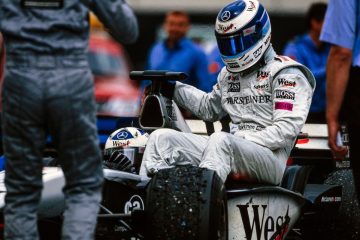
- The recent crash involving Bearman highlights significant safety concerns in Formula 1.
- Experts emphasize the need for FIA to implement stricter safety protocols.
- The crash raises questions about fan safety and circuit design.
- Enhanced safety measures could reshape the dynamics of the championship.
- Future races may see changes in qualifying and race strategies due to safety concerns.
Formula 1 safety In a recent development that has reverberated throughout the motorsport community, Formula 1 was shaken by a crash involving young driver Bearman during a qualifying session. This incident occurred on April 7, 2026, at the picturesque circuit, which has been known for its challenging layout and passionate fanbase. As experts like Martin Brundle advocate for immediate action from the FIA to improve safety measures, the implications of this crash could extend far beyond the immediate concerns, influencing the championship’s direction and fan experience in the long term.
The crash has thrust the topic of Formula 1 safety into the spotlight, a subject that has often been discussed but rarely acted upon with the urgency it warrants. While the FIA has made strides in safety technology, such as the halo device and improved crash barriers, the reality is that each incident exposes gaps in existing protocols. Brundle’s call to action highlights not only the need for physical safety measures but also the psychological safety of fans who come to watch these high-speed events.
Furthermore, there is a growing consensus among experts that the FIA must rethink circuit designs to minimize risks for both drivers and spectators. The Bearman incident raises critical questions about the suitability of some racing venues and the adequacy of safety protocols in place. For instance, should barricades be heightened in certain areas, or should runoff zones be expanded? Such considerations are crucial as the sport evolves and attracts a broader audience.
Tactical Breakdown: Safety and Strategic Implications
Analyzing the incident from a tactical standpoint, we can identify several layers of impact on the championship’s dynamics. Bearman’s crash not only affects his individual race results but also has broader implications for team strategies during qualifying and races. Teams may need to adapt their approach in terms of car setup to prioritize safety over outright speed. We may see a shift in focus toward more conservative setups that enhance driver control and minimize the chances of accidents.
Qualifying sessions could also undergo a transformation as teams reconsider their strategies for securing pole positions. The inherent risks associated with pushing the limits of a car’s performance might lead teams to adopt a more cautious approach. This could result in less dramatic qualifying sessions, potentially impacting fan engagement and excitement levels.
Moreover, the incident is likely to foster discussions about the way teams communicate with their drivers during high-pressure situations. The psychological aspect of driving at high speeds, especially after witnessing a fellow driver crash, could lead to increased hesitance on the part of the drivers. This shift in mindset could alter the competitive nature of races moving forward, as drivers may prioritize caution over aggressive maneuvers.
Future Implications for Formula 1
The implications of the Bearman crash extend into the future of Formula 1, particularly concerning how the FIA and teams prioritize safety. As the championship continues to evolve, it is essential for governing bodies to ensure that safety measures are not just reactive, but also proactive. This might involve regular audits of track safety, better training for emergency response teams, and more extensive data collection on incidents to inform future decisions.
Furthermore, fan engagement could be directly impacted by perceptions of safety. As audiences become more aware of the risks associated with the sport, their willingness to attend live races may diminish unless they see tangible changes being made. The FIA must address these concerns to maintain the integrity and attraction of Formula 1 as a premier motorsport.
In conclusion, the recent crash involving Bearman serves as a stark reminder of the inherent dangers present in Formula 1. It underscores the need for a reevaluation of current safety protocols and the strategic ramifications for teams. As the championship progresses, it is imperative that all stakeholders—teams, the FIA, and fans—remain vigilant in advocating for enhanced safety measures and practices to ensure that the thrill of Formula 1 does not come at the cost of safety.
Our view is that the crash involving Bearman is a wake-up call for the FIA and the entire motorsport community. While safety advancements have been made, this incident highlights a fundamental issue: the need for ongoing evolution in safety protocols. We believe that the FIA must not only react to this specific incident but also engage in a comprehensive review of all tracks on the circuit, ensuring that they meet the highest standards for both drivers and fans.<br />
Looking ahead, we foresee that this could be a pivotal moment for Formula 1. If the FIA takes decisive action in response to the crash, we may witness a shift in how racing is conducted, with a greater emphasis on safety that could redefine the sport. Ultimately, this incident could serve as a catalyst for positive change, ensuring that the excitement of Formula 1 is balanced with the utmost regard for safety.
Sports News Plus is a news aggregator. We do not own or claim rights to any images, videos, or source content featured on this site. All images and media are the property of their respective original owners and publishers. Article content is independently written based on publicly available news sources, which are credited and linked throughout. Full disclosure →