- The 2026 cars may alter the thrilling experience at Silverstone.
- Drivers are expressing concerns about the energy requirements of new vehicles.
- Qualifying strategies may need to be re-evaluated ahead of upcoming races.
- Fan expectations could shift based on the perceived quality of racing.
- Future race results may significantly affect championship standings.
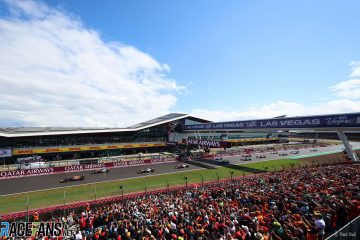
The 2026 Formula 1 season is set to bring a new era of racing technology and challenges, with a major talking point emerging around the iconic Silverstone circuit. As the championship unfolds, drivers like Fernando Alonso have voiced concerns that the energy demands of the latest F1 cars will lead to a less enjoyable driving experience at Silverstone. This iconic venue, known for its high-speed corners and flowing layout, has traditionally provided thrilling races, but with the introduction of energy-sensitive vehicles, questions arise about the future of racing at this beloved track.
Formula 1: What You Need to Know
The implications of these changes resonate throughout the F1 paddock. Recent remarks by Max Verstappen about the simulator experience at Silverstone underscore a growing apprehension among drivers. If the new cars struggle to operate effectively on the track’s unique configuration, the exhilarating racing that fans have come to expect could be diminished. As the championship unfolds, the effects of these technological adaptations will likely shape both qualifying outcomes and race results.
In the upcoming fixtures at Silverstone and beyond, teams may need to recalibrate their strategies. The need for energy conservation and management could lead to a shift in how drivers approach both practice sessions and the qualifying rounds. The balance between speed and energy efficiency will become critical, and teams that adapt quickly will likely gain a competitive advantage.
As the drivers prepare for the British Grand Prix, fan expectations will inevitably be impacted by the performance of the new cars. Enthusiasts are keen to witness the kind of on-track battles that have characterized previous races. However, with Alonso’s insights and Verstappen’s laughter reflecting concerns over reduced overtaking opportunities, fans may have to temper their excitement. The thrill of wheel-to-wheel racing could be replaced by a more strategic approach to maintaining energy levels, which may not resonate well with spectators accustomed to high-octane action.
Analysis & Key Takeaways
In addition to the immediate effects on race dynamics, a ripple effect may influence the championship standings. If certain teams adapt better to the new regulations and energy requirements, we could witness shifts in driver rankings and constructor points as the season progresses. Such developments could lead to intense rivalries emerging, fundamentally altering the landscape of the 2026 championship.
The competitive nature of modern Formula 1 means that teams are constantly evolving, and this adaptation will be crucial as they navigate the complexities of the new regulations. The upcoming race weekends, including the pivotal Silverstone event, will serve as a litmus test for how well teams can harness the potential of their new machinery while grappling with the challenges posed by the energy demands.
Looking ahead, as the season progresses, the outcomes at Silverstone will likely set the tone for the remainder of the championship. Should the new car designs hinder overtaking and make it difficult for drivers to express their skills fully, fans may see a decline in the overall excitement that typically accompanies F1 races. This could also impact the transfer market, as drivers and teams assess their futures based on performance in the evolving landscape of Formula 1.
The insights shared by Alonso and Verstappen emphasize the need for a close examination of how the 2026 rules will play out in practice. With the championship standings at stake, strategies will need to be revised, and teams must collaborate effectively to ensure that they remain competitive in this new environment.
Ultimately, this transition phase may define the 2026 season and significantly influence how the sport evolves in the coming years. Both fans and teams will be closely watching as Formula 1 adjusts to these new dynamics, seeking to find a balance between innovation and the thrilling spectacle that has made the sport a global phenomenon.
From our perspective, it's evident that the impending changes to Formula 1's racing dynamics at Silverstone are not merely technical adjustments but rather a potential redefinition of the sport's excitement. The conversations among drivers illustrate a broader concern about how such modifications could dampen the competitive spirit that fans cherish. We believe that while new technology often aims to enhance performance and sustainability, it must not come at the cost of the visceral thrill that makes Formula 1 so compelling.<br />
Looking ahead, we anticipate that teams will need to be innovative in their approaches, refining strategies not only for race day but also for qualifying sessions. The interplay between energy management and aggressive racing could lead to a new style of racing that challenges the status quo, forcing teams to rethink their philosophies. As we move closer to the Silverstone race, we expect debates around driver skills versus technological advantages to intensify, shaping narratives that could dominate the remainder of the season.
Source: Alonso: Silverstone will be "not fun to drive" with 2026 F1 cars
Sports News Plus is a news aggregator. We do not own or claim rights to any images, videos, or source content featured on this site. All images and media are the property of their respective original owners and publishers. Article content is independently written based on publicly available news sources, which are credited and linked throughout. Full disclosure →