- Cadillac's F1 team is focusing on enhancing downforce for better performance.
- Drivers Valtteri Bottas and Sergio Perez stress the importance of rapid development.
- The team has faced initial challenges but has achieved its first race results.
- Historical context suggests that overcoming early struggles can lead to future success.
- As the season progresses, Cadillac's ability to adapt will be crucial for its championship aspirations.
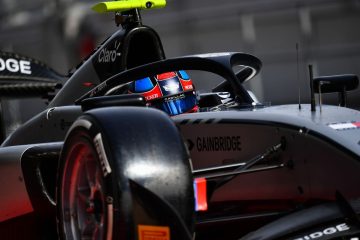
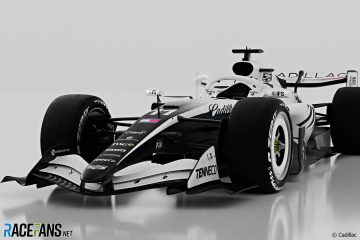
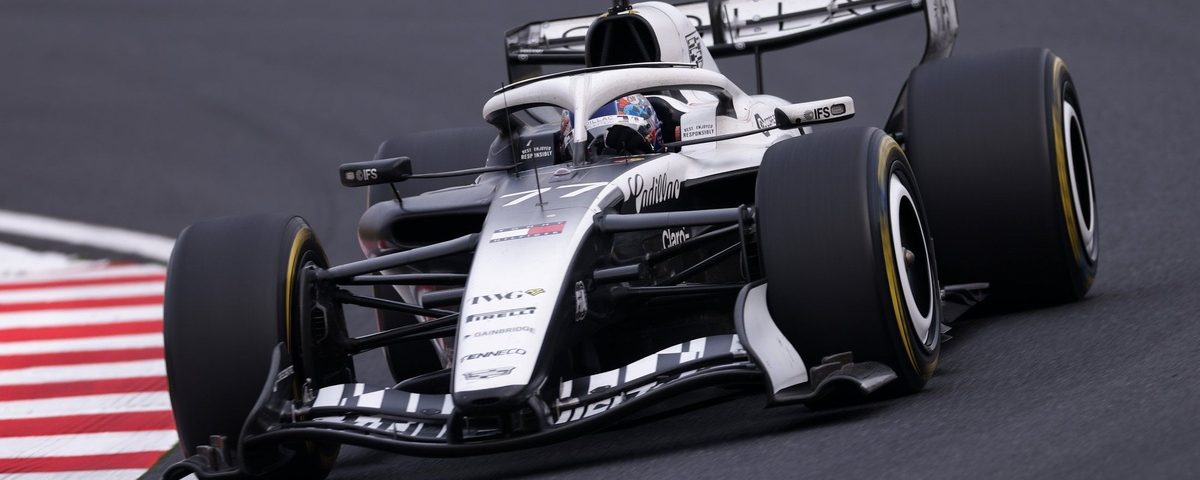
Cadillac’s entry into Formula 1 has been marked by significant milestones, with drivers Valtteri Bottas and Sergio Perez calling for urgent improvements to the team’s performance. Following their inaugural race results in Australia in March 2026, the team has identified downforce as a critical area for development. As the season unfolds, the focus on enhancing this aspect of their car will be pivotal in determining Cadillac’s future trajectory in the highly competitive world of Formula 1.
The 2026 season has been a baptism of fire for Cadillac, making its debut as the 11th team in the championship. With a mix of excitement and trepidation, both Bottas and Perez have shared insights into the challenges they faced during the initial races, highlighting the need for more downforce to improve their overall speed and handling on the track. Both drivers have expressed optimism, recognizing that adapting to the demands of Formula 1 is essential for their success moving forward.
The team’s performance so far has been a study in resilience. They began with a steep learning curve, grappling with the intricacies of race day operations, tire management, and vehicle dynamics. Now, with their first race results in hand, they are looking to build on this foundation. Bottas and Perez’s calls for increased downforce signal a clear understanding of what is necessary to compete at the top level.
Historical Context: Lessons from F1’s New Entrants
When considering Cadillac’s current situation, it’s instructive to look back at other teams that entered Formula 1 and faced similar hurdles. In the early 2000s, teams like Toyota and Honda experienced a rocky start, struggling to convert their significant investments into immediate success on the track. Toyota, for example, entered F1 in 2002 but spent years developing its car and building a competitive team, often finishing in the midfield before finally finding its footing.
Historically, new entrants have had to navigate a complex landscape where downforce and aerodynamics are paramount. The 2010 season saw the arrival of teams like Lotus (now known as Caterham) and Virgin Racing. Both teams struggled initially but made considerable strides in their second and third seasons. Lotus, in particular, benefited from a well-designed chassis that allowed them to achieve better qualifying positions and race results over time.
The lessons from these past instances suggest that Cadillac’s current focus on downforce is a step in the right direction. Teams that have identified and addressed their limitations early on have often turned their fortunes around, showcasing that success in Formula 1 is not solely about immediate results but also about long-term development and adaptation.
The Road Ahead: What This Means for Cadillac
As Cadillac continues its journey in Formula 1, the emphasis on downforce will not only affect their performance in races but also their overall standing in the championship. The team’s ability to innovate and refine its car will be critical in the coming months. Qualifying sessions will become increasingly important as the championship progresses, with a well-designed car capable of generating more downforce allowing for better grid positions.
Moreover, the pressure to succeed in Formula 1 is immense. Fans, sponsors, and stakeholders all expect progress, and Cadillac must deliver on its promise to become a competitive force. The coming races will serve as a litmus test for their development strategy and how quickly they can adapt to the high-stakes environment of Formula 1.
It will be intriguing to see how Cadillac balances the need for speed with the complexities of car design and engineering. The team has the potential to make significant strides if they leverage the insights gained from early-season performance. If successful, they could follow in the footsteps of other teams that have turned early challenges into opportunities for growth, serving as a reminder of the cyclical nature of competition in Formula 1.
From our perspective, Cadillac's push for enhanced downforce is an acknowledgment of the brutal competitiveness of Formula 1. While their initial results may not have set the world on fire, the strategic emphasis on improving their car's aerodynamics demonstrates a commitment to long-term success. We've seen similar narratives play out in the past, where teams initially struggled but eventually found their rhythm and became serious contenders.<br />
As we observe Cadillac's journey, it’s essential to watch how they manage their resources and engineering talent. The clock is ticking, and with each passing race, the pressure mounts to show tangible improvements. Our view is that if they can successfully implement the changes they’re discussing, Cadillac could very well carve out a place for itself among the established teams. The real question will be whether they can sustain this momentum throughout the season and into the next.
Source: Cadillac drivers identify the F1 team's next steps: "We need a second now"
Sports News Plus is a news aggregator. We do not own or claim rights to any images, videos, or source content featured on this site. All images and media are the property of their respective original owners and publishers. Article content is independently written based on publicly available news sources, which are credited and linked throughout. Full disclosure →