- Franco Colapinto's street event drew 600,000 fans in Buenos Aires.
- The enthusiasm signals a potential return of Argentina to the Formula 1 calendar.
- Colapinto's rise has reignited national pride in motorsport.
- The event showcased the country's rich motorsport history and fan engagement.
- A successful return could transform Argentina's role in the F1 championship landscape.
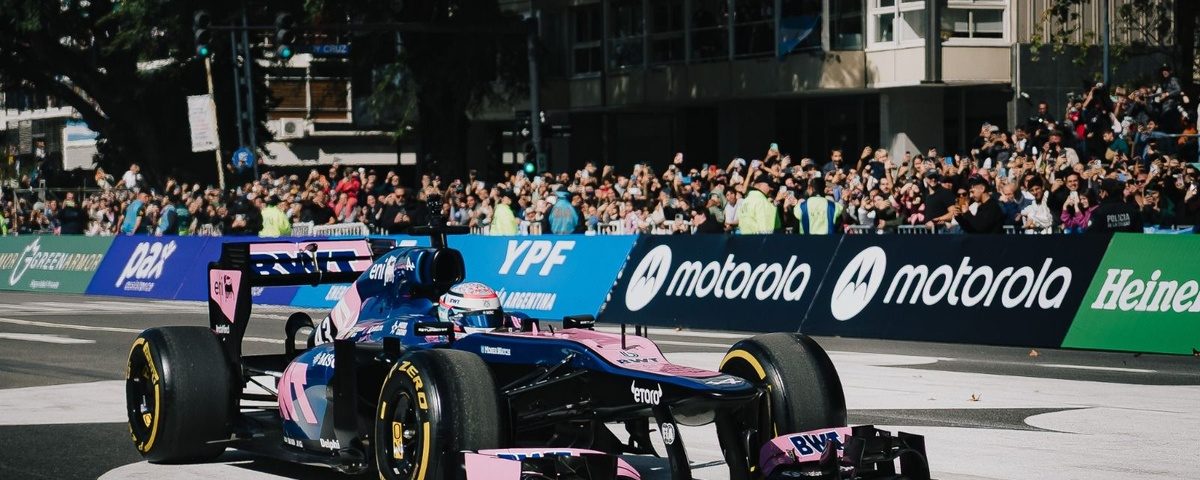
On April 26, 2026, Franco Colapinto, a rising star in the world of Formula 1, captivated a staggering 600,000 fans during a street demonstration in Buenos Aires. This event marked a pivotal moment for Argentine motorsport, as the country has been absent from the F1 calendar for nearly three decades. Colapinto, who debuted with Williams in mid-2024 before transitioning to Alpine in 2025, has become a national figure, embodying the hopes of a passionate motorsport community eager for a revival of their country’s racing heritage.
Formula 1: What You Need to Know
The excitement surrounding Colapinto’s appearance is a testament to the potential for Argentina to reestablish its presence in the Formula 1 championship. The last official Grand Prix took place in 1998, but this recent turnout indicates a vibrant fan base ready to support a new era in Argentine motorsport. As the Formula 1 landscape evolves, the question arises: could we soon see the return of the Argentine Grand Prix?
The race result of the Buenos Aires event was not just about time on the clock; it was about the emotional connection between the fans and their hero, Colapinto. The demonstration served as a powerful reminder of the passion that motorsport can evoke in a nation. Fans waved flags, cheered, and celebrated, creating an atmosphere that rivaled that of many established F1 races. This engagement is crucial for Formula 1’s expansion into new territories and could make a compelling case for Argentina’s inclusion in the championship.
The qualifying sessions leading up to this street demonstration were marked by intense anticipation. Colapinto’s impressive performance in previous races had already garnered him attention, but this event served as a platform for him to showcase his skills before a home crowd. The overwhelming turnout not only reflects Colapinto’s rising status but also signals a collective yearning among Argentines to reconnect with the sport at a higher level.
To understand the significance of this moment, one must consider Argentina’s rich motorsport history. The country has produced some of the most talented drivers, including Juan Manuel Fangio, a five-time World Champion whose legacy still resonates today. The recent event harkens back to a time when Argentina was a regular fixture on the Formula 1 calendar, highlighting a cultural connection to racing that has not diminished over the years.
Analysis & Key Takeaways
As Formula 1 continues to expand its global footprint, the case for Argentina’s return becomes increasingly compelling. The recent demonstration in Buenos Aires could be a catalyst for discussions among F1 executives about adding new venues. The passion exhibited by fans demonstrates that the audience exists, and with the right investment and commitment from local organizers, a return to the championship could not only revive Argentina’s motorsport legacy but also contribute to the global appeal of Formula 1.
In terms of championship implications, having Argentina back on the F1 calendar would diversify the race locations and introduce new challenges for teams and drivers. The Autódromo Juan y Oscar Gálvez, Argentina’s most famous racing venue, could provide a unique circuit that tests driver skills and strategies in a different environment. Furthermore, it could foster increased sponsorship and economic opportunities for the region, aligning with Formula 1’s objectives to reach new markets.
We must also consider the impact this resurgence might have on the Formula 1 championship itself. The more diverse the locations, the richer the narrative for the championship. The excitement of racing in front of an enthusiastic Argentine crowd could elevate the stakes for drivers, compelling them to perform at their best. It presents an opportunity for storylines that captivate audiences worldwide, enhancing Formula 1’s already vibrant tapestry of competition.
Moreover, the involvement of young talents like Colapinto is crucial for the future of Formula 1. As teams invest in young drivers, the narrative of a potential homegrown champion adds layers to the championship’s allure. Colapinto’s journey from local hero to global star can inspire a new generation of drivers and fans, ensuring the sport’s longevity in Argentina.
As we look ahead, the potential for Argentina’s return to Formula 1 is more than just a nostalgic yearning; it’s a strategic opportunity for growth in a rapidly evolving sport. The energy and enthusiasm witnessed in Buenos Aires could pave the way for a new chapter in Argentine motorsport, one that not only honors the past but also embraces the future.
From our perspective, the overwhelming turnout for Franco Colapinto in Buenos Aires signals more than just a resurgence of interest in Formula 1; it highlights a broader trend within the sport where local heroes can galvanize national pride and support. As we’ve seen in other regions, the presence of a homegrown talent can be a significant draw, making it imperative for Formula 1's governing body to consider the economic and cultural benefits of reintroducing races to countries with a rich motorsport heritage like Argentina.<br />
Furthermore, the F1 calendar is becoming increasingly competitive, with more countries vying for a spot. Argentina's passionate fanbase and historical significance in the sport provide a compelling argument for its inclusion. If the FIA and FOM take action based on this demonstration, we could witness a new era for Formula 1, where traditional circuits are joined by once-absent countries eager to carve their place in racing history.
Source: Franco Colapinto draws 600,000 fans as Argentina pushes for F1 return
Sports News Plus is a news aggregator. We do not own or claim rights to any images, videos, or source content featured on this site. All images and media are the property of their respective original owners and publishers. Article content is independently written based on publicly available news sources, which are credited and linked throughout. Full disclosure →