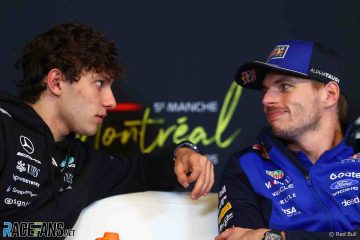
- Kimi Antonelli secured the top position in FP2 at the Belgian Grand Prix.
- Lando Norris closely followed, indicating strong competition for the race result.
- Pierre Gasly's crash led to crucial interruptions, potentially affecting team strategies.
- Antonelli's performance could be pivotal for the championship race.
- Teams must adapt quickly to the evolving track conditions ahead of qualifying.
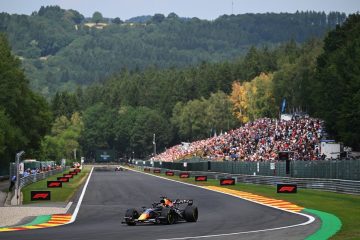
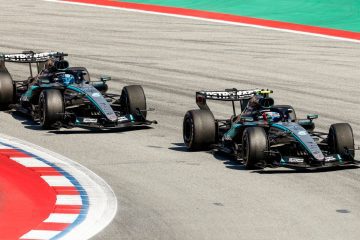
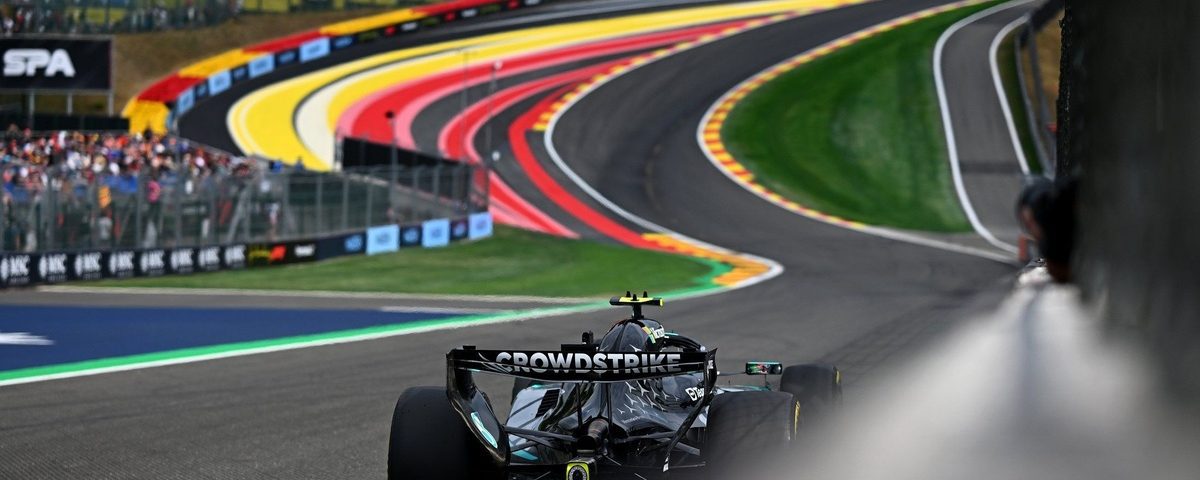
Formula 1 The Belgian Grand Prix is already shaping up to be a thrilling contest, especially after the second practice session (FP2) held on July 17, 2026, at the iconic Circuit de Spa-Francorchamps. Kimi Antonelli emerged as a standout performer, topping the timesheet and finishing nearly two-tenths of a second ahead of Lando Norris. With multiple red flags disrupting the session, including a significant incident involving Pierre Gasly, the stage is set for an intense weekend of racing in Formula 1.
Formula 1: What You Need to Know
Antonelli’s impressive lap showcases not only his growing prowess but also highlights the competitive landscape within the current Formula 1 grid. As teams prepare for qualifying, the data gleaned from FP2 will be critical. The Belgian track, known for its unpredictable weather and challenging layout, often tests drivers’ skill and adaptability. Antonelli’s performance suggests that he has harnessed the necessary confidence and speed to challenge for pole position, setting the tone for the race result.
The red flags during FP2 were a double-edged sword. The first was triggered by gravel on the track, an incident that seemed mundane but served as a reminder of the ever-changing conditions at Spa. The second flag, caused by Gasly’s crash in the closing stages, disrupted rhythm and forced teams to reassess their strategies ahead of qualifying. This incident could have wider implications for Gasly and his team, as they will need to recover quickly to ensure they secure a strong position for the race.
Understanding the implications of FP2 is crucial as we look ahead to the rest of the weekend. The track’s character demands not only speed but also precision and adaptability, traits that Antonelli has evidently demonstrated. His performance could signal a shift in momentum within the championship, especially as we approach the latter stages of the season. With Norris trailing close behind, it emphasizes the razor-thin margins that define Formula 1 racing.
Analysis & Key Takeaways
Antonelli’s ascent to the top of the time sheets is significant not only for him personally but for his team as well. Consistent performance during practice is often a precursor to success in qualifying and racing. The pressure of maintaining this form will be immense, particularly with rivals like Norris and Gasly in close proximity. As we anticipate the qualifying session, teams will be keenly analyzing the data from FP2 to optimize their setups.
The Belgian GP has a history of unpredictability, with past races often influenced by weather changes that can dramatically alter track conditions. Teams must be prepared to pivot quickly and make strategic decisions based on real-time information. Antonelli’s ability to perform under pressure will be tested as the stakes rise in qualifying. The challenge lies not just in speed but in ensuring that tire choices and car setups are aligned with the evolving track conditions.
As we move into the qualifying round, the early indicators from FP2 suggest that the competition for pole position will be fierce. Antonelli, having established himself as a contender, will need to fend off Norris and others who are equally eager to assert their dominance. The race result could hinge on minute details, making every practice session critical for teams to refine their approach.
Looking beyond the immediate excitement of FP2, the implications for the championship are substantial. With every point crucial at this stage in the season, the strategies employed during qualifying and the race will have lasting effects on the standings. Antonelli’s rise is a clear signal that the championship battle is far from over, with multiple drivers poised to make a significant impact.
In conclusion, the Belgian Grand Prix weekend is shaping up to be pivotal for several drivers, particularly Kimi Antonelli, who has already made a strong statement in FP2. As teams head into qualifying, the lessons learned from this practice session will play a crucial role in their strategies, potentially altering the course of the championship as we know it.
In our analysis, it’s clear that Kimi Antonelli’s performance in FP2 is more than just a momentary highlight; it could represent a turning point in the championship race. His ability to outpace established drivers like Lando Norris and navigate through a disrupted session speaks volumes about his potential as a future star in Formula 1. We are witnessing a new generation of talent emerging, and it’s exciting to anticipate how they will reshape the grid dynamics moving forward.<br />
Moreover, the impact of Gasly’s crash cannot be underestimated. It serves as a reminder of the ever-present risks in Formula 1 and the fine margins that separate success from failure. As teams assess their performance ahead of qualifying, the decisions made in these critical moments could very well determine their fate in the race. The stakes have never been higher, and as the championship unfolds, we expect to see more surprises and intense battles on the track.
Source: F1 Belgian GP: Antonelli headlines FP2 over Norris, Gasly crash causes red flag
Sports News Plus is a news aggregator. We do not own or claim rights to any images, videos, or source content featured on this site. All images and media are the property of their respective original owners and publishers. Article content is independently written based on publicly available news sources, which are credited and linked throughout. Full disclosure →