- Max Verstappen outpaced Lewis Hamilton in the first practice session at the Belgian Grand Prix.
- Red Bull's performance indicates strong competitive form ahead of the qualifying.
- Hamilton's close timing suggests a fierce battle for pole position.
- The session highlighted the importance of tire strategy in upcoming races.
- As the championship race heats up, expect strategic developments as teams adapt.
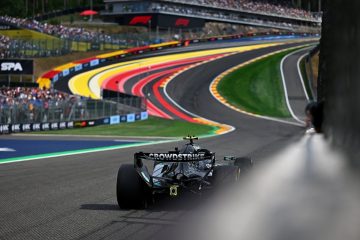
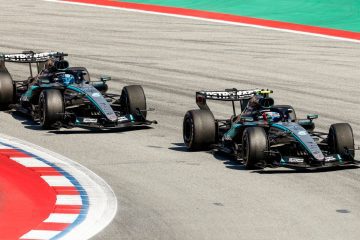
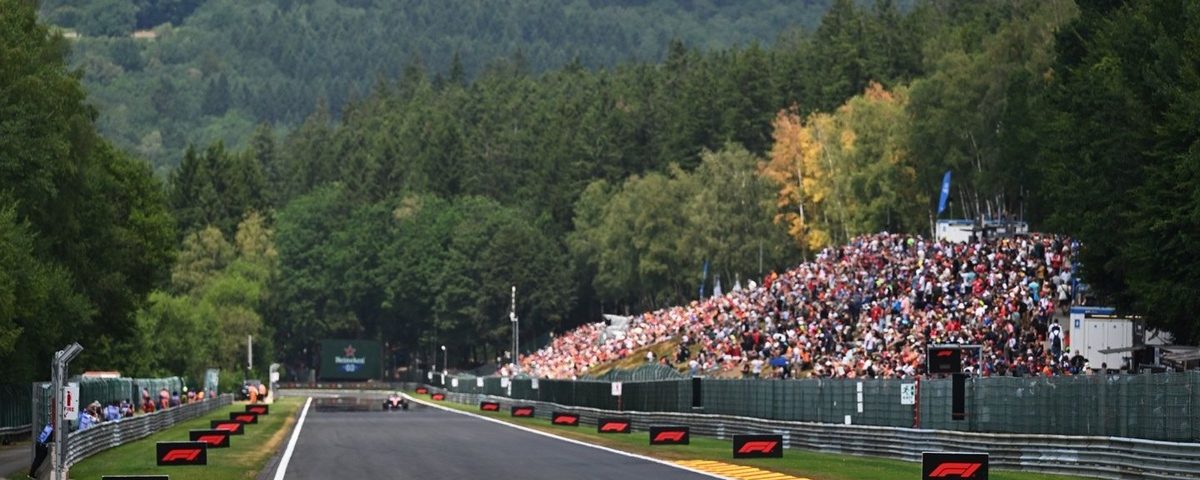
Max Verstappen clocked the fastest time in the opening practice session of the 2026 Formula 1 Belgian Grand Prix, solidifying his position as a frontrunner in this season’s championship battle. On July 17, 2026, at the iconic Circuit de Spa-Francorchamps, the Red Bull Racing driver edged out Lewis Hamilton of Ferrari by just over a tenth of a second, demonstrating Red Bull’s strong performance early in the weekend.
The session began with Red Bull’s Verstappen and his teammate, Isack Hadjar, trading quick laps at the top of the timesheets, indicating a fierce intra-team battle. Verstappen’s best lap came on medium tires, while Hadjar, opting for softs, also showed promising pace. This strategic choice highlights Red Bull’s focus on tire management—a critical factor at Spa, known for its variable weather and challenging corners.
Ferrari’s Hamilton, although slightly slower, remained within striking distance, suggesting that the Scuderia has made significant progress in race pace. The competitive spirit between Verstappen and Hamilton is palpable, as both drivers prepare for what promises to be a thrilling qualifying session.
As we analyze the dynamics of this opening session, it becomes clear that tire strategy will play a pivotal role in the upcoming qualifying rounds and race. The successful management of tire degradation, especially in cooler temperatures characteristic of Spa, could prove decisive in shaping the race result.
Tactical Breakdown: Tire Strategy and Competitive Dynamics
To fully understand the implications of Verstappen’s performance in FP1, we must delve into the tactical elements at play. The choice of tires has always been a critical aspect of Formula 1 strategy, and at Spa, this is amplified by the circuit’s unique characteristics.
Verstappen’s decision to set his fastest time on medium tires suggests a dual strategy: maximizing performance for qualifying while ensuring tire longevity for the race itself. This approach allows Red Bull to gather vital data on tire degradation, which could inform their race strategy. If they can achieve a strong qualifying performance on softer tires while maintaining the speed and durability of mediums during the race, they could secure a significant advantage in the championship hunt.
On the other hand, Hamilton’s close timing indicates that Ferrari is not far behind. Their ability to compete with Red Bull’s pace, even under different tire compounds, could hint at a more competitive weekend than what was initially anticipated. Key battles will likely arise between the two teams, especially when it comes to pit strategies and tire choices during the race.
Further complicating this dynamic are the other teams, including McLaren and Mercedes, who will be striving to close the gap. With qualifying looming, it will be crucial for each team to optimize their setups and tire strategies to secure a favorable starting position.
The Road Ahead: Championship Implications
As the Belgian Grand Prix weekend unfolds, the early signals from FP1 suggest that the championship race is far from over. With Verstappen leading the charge for Red Bull and Hamilton lurking closely behind, fans can expect an intense showdown on the track.
The stakes are high as both drivers not only vie for the win but also for crucial points that can shift the momentum in the championship. The psychological battle between the two, coupled with their teams’ strategic maneuvers, will be instrumental in determining the outcome of the weekend.
Looking ahead, the championship implications are significant. A strong performance by Verstappen could extend his lead, while a resurgent Hamilton could reignite his title challenge. As teams refine their approaches and adapt to the circuit’s demands, all eyes will remain fixed on the tire strategies and pit stop decisions that could ultimately dictate the race result.
In conclusion, the Belgian GP has set the stage for what promises to be a thrilling chapter in the 2026 Formula 1 season. As teams finalize their strategies, fans can anticipate a gripping battle that showcases the best of motorsport and the tactical genius at play behind the scenes.
As we move forward from the first practice session, it's clear that both Red Bull and Ferrari have set the tone for an intriguing weekend. The early exchange of times reinforces the narrative that this season's championship battle will hinge not only on speed but also on strategy. We expect teams to experiment with various setups in the remaining sessions, particularly focusing on how tire compounds react in different conditions at Spa.<br />
This practice session is just the beginning; it lays the groundwork for a potential shift in championship momentum. The intense rivalry between Verstappen and Hamilton is likely to escalate, especially with both drivers feeling the pressure as they battle not just for race victories but for the ultimate prize—the championship. The tactical dimensions of tire strategy will be crucial not just for this race, but for the races to come as teams learn and adapt on the fly.
Source: F1 Belgian GP: Verstappen quickest in FP1 over Hamilton
Sports News Plus is a news aggregator. We do not own or claim rights to any images, videos, or source content featured on this site. All images and media are the property of their respective original owners and publishers. Article content is independently written based on publicly available news sources, which are credited and linked throughout. Full disclosure →