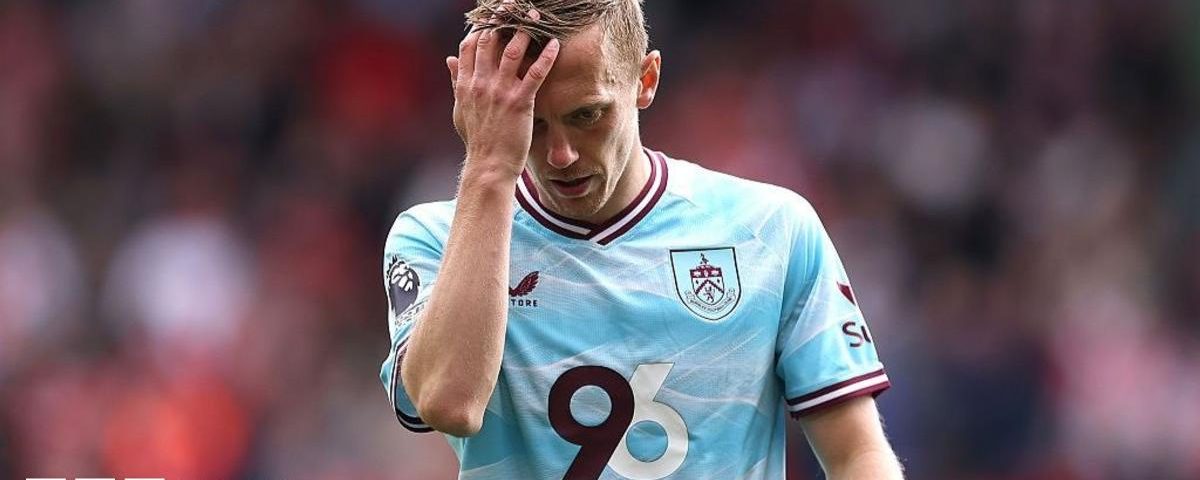
- The Premier League relegation zone is fiercely contested as the season approaches its climax.
- Historical trends indicate that teams with fewer than 30 points by April often face relegation.
- Match results in the final weeks heavily influence a team's fate, with goal differentials playing a crucial role.
- Recent transfer activity can significantly affect a team's performance during crunch time.
- Upcoming matches will be pivotal in determining which clubs' dreams of staying in the Premier League will come to an end.
Premier League relegation As the Premier League season of 2025-2026 approaches its conclusion, the relegation battle intensifies, with several clubs fighting to avoid the drop. Teams like Burnley, Sheffield United, and Bournemouth find themselves in precarious positions as the pressure mounts. With only a few matches left, every match result becomes crucial in this thrilling contest. The stakes are incredibly high, as the Premier League’s bottom three will face relegation to the EFL Championship come May.
Premier League relegation: What You Need to Know
The current standings reveal a dramatic landscape. Historically, teams hovering around the 30-point mark by late April have faced a high likelihood of relegation. In fact, since the Premier League’s inception in 1992, only a handful of teams have managed to escape the drop after accumulating fewer than 30 points by this late stage. This places immense pressure on teams like Burnley, who currently sit at 27 points, needing to find form in their remaining fixtures.
Match results are not the sole determinants of survival, however. Goal differentials will come into play, particularly for those teams that find themselves on the edge of the relegation zone. A low goal differential can reflect a lack of attacking prowess or defensive frailty, both of which are critical in high-pressure matches. For example, as of now, Sheffield United possesses a goal differential of -25, indicating significant struggles in both scoring and defending. This statistic becomes especially important when teams finish the season on equal points, as the Premier League rules state that goal difference will be the first tiebreaker.
Another essential factor in the relegation race is the impact of recent transfer activity. In January, clubs had the opportunity to bolster their squads. Teams that made strategic acquisitions can gain a vital edge as they approach the season’s climax. For instance, if a club successfully signs a prolific striker, it can dramatically alter their scoring averages and provide the necessary boost to secure crucial wins.
In contrast, teams that failed to strengthen their squads or lost key players to injury may find themselves unable to turn around poor form. This season, clubs like Bournemouth have faced challenges due to injuries to key players, limiting their ability to compete in pivotal matches. The integration of new signings also plays a role; the quicker a player adapts to their new environment, the more likely they are to contribute to match-winning efforts.
Analysis & Key Takeaways
The Premier League’s relegation battle is not just about individual matches; it’s about momentum. Teams that can string together consecutive wins in the final stretch usually increase their chances of survival. A single victory can instill confidence and lead to subsequent match results that can turn the tide in favor of a club. Conversely, a string of poor performances can demoralize a squad, making it difficult to recover.
Looking ahead, the final fixtures for these teams will be fraught with tension. Clubs like Burnley will face established Premier League sides, while others may have a mix of tough and winnable games. The psychological aspect of the relegation battle cannot be understated; players must remain focused despite the looming threat of relegation.
By the Numbers:
To contextualize the current state of affairs in the relegation battle, let’s delve into some key statistics. As of now, the average points required to avoid relegation in the Premier League has been around 40 points in recent seasons. Teams currently in the relegation zone—such as Burnley with their 27 points—will need to win at least four of their last matches to realistically hope for survival.
Additionally, looking at scoring averages, teams that score less than 1.2 goals per match historically face a higher risk of relegation. Burnley and Sheffield United are both currently under this benchmark, highlighting their struggles in attack. Moreover, the importance of goal differential cannot be overstated; teams with a differential of -20 or worse have a dismal record of avoiding relegation.
In conclusion, the Premier League relegation battle adds a layer of drama that captivates fans every season. Key match results, crucial transfers, and historical trends will dictate which clubs secure their top-flight status and which face the heartbreak of relegation. As we enter the final weeks, the excitement is palpable, and every goal scored may very well shape the future of these clubs.
As we assess the current relegation battle in the Premier League, it’s clear that the stakes have never been higher for teams like Burnley and Sheffield United. Their struggles this season reflect a broader trend in the league where financial constraints and managerial instability can lead to disastrous outcomes. We believe that the imminent transfer window could serve as a turning point; however, it requires astute decision-making from club management to ensure that the right players are brought in.<br />
We also see a potential shift in the dynamics of the relegation battle. The introduction of advanced analytics in player recruitment has transformed how clubs evaluate talent. This could lead to a more competitive landscape in the Championship as clubs look for undervalued players who can make an immediate impact. In essence, while this season's relegation battle is fierce, the implications extend beyond just this year, shaping the future of the teams involved and potentially altering the structure of the league.
Source: Who's next for Premier League relegation?
Sports News Plus is a news aggregator. We do not own or claim rights to any images, videos, or source content featured on this site. All images and media are the property of their respective original owners and publishers. Article content is independently written based on publicly available news sources, which are credited and linked throughout. Full disclosure →