- Gianni Infantino has proposed a controversial rule change regarding mouth covering in football.
- The rule aims to enhance transparency and sportsmanship during matches.
- This change could significantly alter confrontations on the pitch.
- Players' behavior may shift, impacting match results and team dynamics.
- The proposal raises questions about officiating consistency and player expression in football.
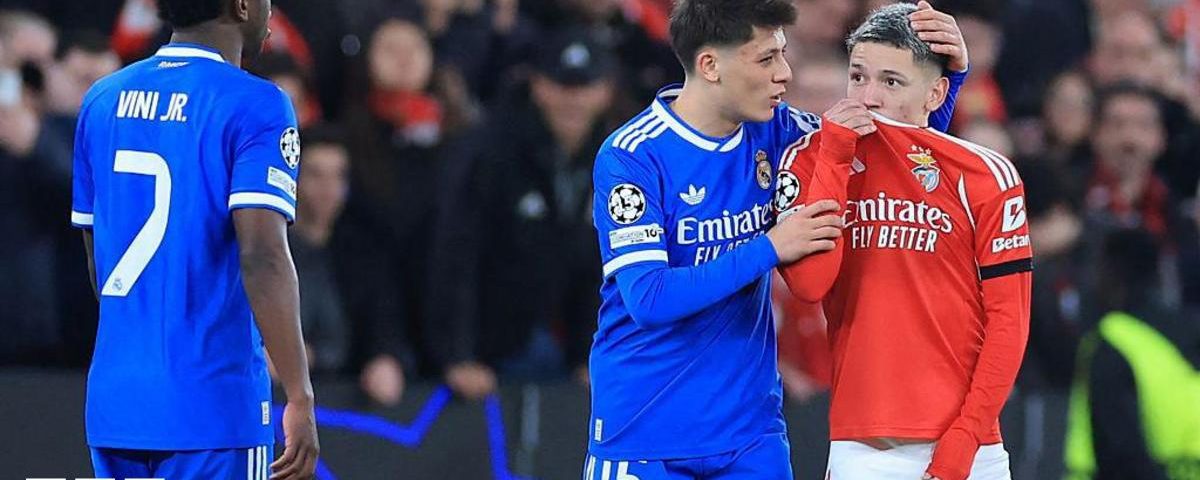
Red card In a striking announcement that could redefine player conduct in football, FIFA President Gianni Infantino revealed on April 28, 2026, that players who cover their mouths while speaking to opponents during matches should be issued a red card. This bold suggestion aims to promote transparency and discourage unsporting behavior during confrontations. The rule change is part of a broader initiative by FIFA to enhance the integrity of the game, ensuring that players engage openly and respectfully on the field.
This proposal arrives at a critical time when the game is experiencing heightened scrutiny over player behavior and sportsmanship. Football is often seen as a sport where passion and emotion can lead to heated exchanges. By targeting this specific action, Infantino aims to set a precedent that could ripple through various levels of the sport, from amateur leagues to the prestigious World Cup.
The tactical ramifications of this proposed rule are significant. One of the key elements of modern football is the psychological battle players engage in during matches. By penalizing mouth covering, we are likely to see a shift in how players communicate during these tense moments. The traditional strategies of intimidation and psychological gamesmanship may be curtailed, ultimately leading to a more transparent playing field.
The Tactical Breakdown of Infantino’s Proposal
When we consider the tactical implications of this rule change, it is essential to analyze how player interactions can influence match results. In modern football, confrontations often lead to pivotal moments that can change the course of a game. A player covering their mouth can signal either a tactical discussion or a form of dissent, and by penalizing this behavior, we could potentially see an evolution in communication strategies among teams.
For instance, teams that rely heavily on psychological tactics might need to reassess their approaches. Coaches may start emphasizing clearer communication, ensuring that players express their thoughts vocally and openly. This change could affect set pieces, on-field strategies, and even how players react to refereeing decisions. Moreover, it will be interesting to observe how various teams adapt their formations and styles of play in light of this new rule.
Additionally, the interplay between players could become more significant. If players are more transparent in their communications, it could lead to an increase in teamwork and a reduction in the miscommunications that often plague teams during crucial phases of matches. The key battles on the pitch—whether in midfield or defending corners—might see players relying more on verbal cues than subtle gestures, fundamentally altering the tactical landscape of the game.
The Broader Implications for Football
While the potential for this new rule to reshape player conduct is evident, the broader implications for the Premier League and international competitions cannot be ignored. The introduction of red cards for mouth covering could lead to a more disciplined environment on the pitch, reducing penalties for dissent and improving the overall match experience for fans. This initiative aligns with the ongoing efforts by governing bodies to promote fair play and respect among players.
However, the success of this rule hinges on its implementation and the ability of referees to enforce it consistently. If players perceive that this rule is being applied unevenly, it could lead to further frustrations and debates regarding officiating standards. Furthermore, the emotional and cultural aspects of football cannot be overlooked, as players have long relied on a certain level of non-verbal communication to express their thoughts and feelings during matches.
As we look ahead, the implications of Infantino’s proposal may extend beyond the immediate tactical adjustments teams will need to make. The emphasis on transparency could lead to broader discussions regarding player autonomy and freedom of expression on the pitch. As the footballing community adapts to this shift, it will be crucial for stakeholders to engage in dialogue about the balance between maintaining competitive integrity and allowing players to navigate their emotions in the heat of the moment.
In our view, Infantino’s proposed red card for mouth covering signals a pivotal moment in football that goes beyond mere tactical adjustments. It reflects a growing desire within the sport to foster an environment of accountability and transparency. While the intention is commendable, we must consider the implications this has for player expression. Football, after all, thrives on passion, and the spontaneous nature of the game often leads to moments that are unfiltered and raw.<br />
Moreover, we foresee a potential backlash from players who may feel limited in their ability to communicate authentically during stressful situations. The challenge will lie in balancing the integrity of the sport with the emotional expressions that are intrinsic to football. As this rule is tested in practice, it will be fascinating to observe how teams adapt and whether this change indeed cultivates a more respectful and transparent playing environment or leads to unintended consequences.
Source: Players who cover mouths face red card at World Cup
Sports News Plus is a news aggregator. We do not own or claim rights to any images, videos, or source content featured on this site. All images and media are the property of their respective original owners and publishers. Article content is independently written based on publicly available news sources, which are credited and linked throughout. Full disclosure →