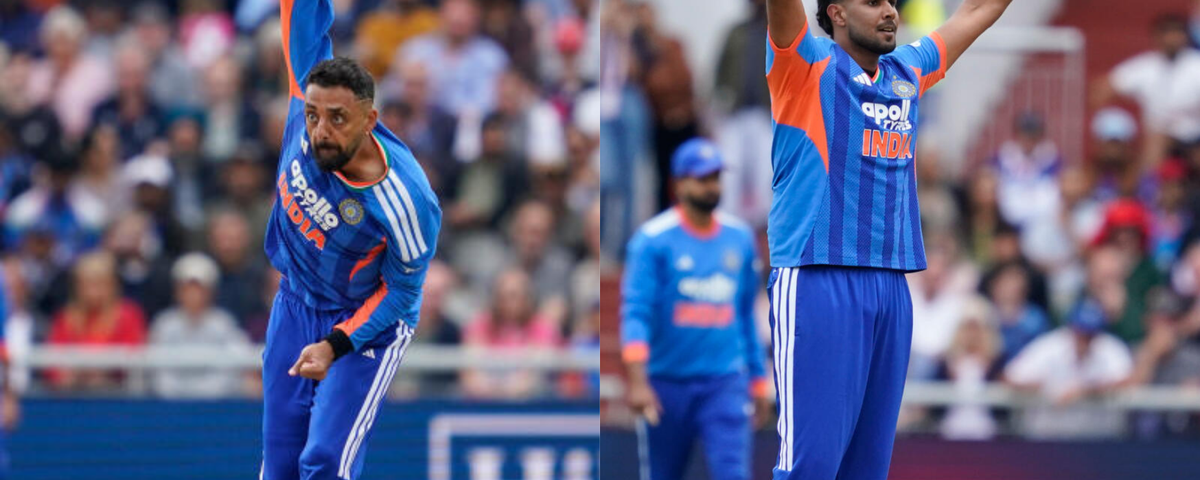
- Harshit Rana and Varun Chakaravarthy are sidelined due to hamstring injuries.
- This marks a significant challenge for India in the ongoing T20I series.
- The absence of these players highlights concerns about squad depth in high-stakes matches.
- Historical precedents show that injuries can drastically shift team dynamics in cricket.
- Looking ahead, India must quickly adapt to maintain momentum in the series.
In a significant blow to the Indian cricket team, both Harshit Rana and Varun Chakaravarthy have been ruled out of the remaining matches in the T20I series against England due to hamstring injuries. This announcement came on July 9, 2026, just days before the crucial 4th and 5th T20Is, which are set to be held at the historic venues of Lord’s and The Oval. The absence of these two key players raises pressing questions about the team’s depth and strategy as they compete in a tightly contested series.
T20I series: What You Need to Know
Injuries in cricket, particularly during high-stakes series, can disrupt a team’s plans and alter the course of matches. Rana’s bowling prowess and Chakaravarthy’s spin capabilities were crucial for India’s balance in the squad. With the T20 World Cup on the horizon, the timing of these injuries is particularly unfortunate for the Board of Control for Cricket in India (BCCI) and the team’s management.
The impact of injuries on team performance is well-documented in cricket’s storied history. For instance, during the 2011 Cricket World Cup, India’s road to victory was marred by injuries to several players. However, the depth of the squad allowed them to overcome these challenges. Similarly, in the 2015 ODI series against Australia, injuries led to a reshuffling of the batting lineup, which ultimately resulted in a series defeat.
Understanding the historical context of injuries in cricket reveals patterns that can inform how the Indian team might navigate their current predicament. The BCCI must call upon its reserve players and ensure that the new entrants can seamlessly integrate into the squad. As we assess the potential replacements, we must also consider how other teams have fared in similar situations.
One notable example comes from the 2017 Test series against Australia, where injuries to key players forced India to rely on lesser-known talents. While they faced adversity, they managed to secure a series victory, showcasing resilience and adaptability. The cricketing community will closely monitor how the Indian team adjusts to the absence of Rana and Chakaravarthy and whether they can replicate that success.
In terms of batting strategy, the Indian team may now need to adopt a more aggressive approach, particularly against quality bowling attacks like England’s. This could mean promoting more aggressive batsmen to the top order or experimenting with different batting lineups to maximize scoring opportunities. Additionally, with the spin department weakened by Chakaravarthy’s absence, the team might need to rethink their bowling strategy, potentially relying more heavily on pace bowlers.
Looking ahead, India must remain vigilant about player fitness and injury management. The BCCI has a robust system for scouting talent, and it’s imperative that they leverage this to find suitable replacements who can rise to the occasion. The upcoming matches will not only test the players’ abilities but also the coaching staff’s strategic acumen in handling such disruptions.
Analysis & Key Takeaways
As the T20I series progresses, the cricketing world will be watching closely. The stakes are high, and how India adapts to these challenges will be critical for their confidence as they move toward future competitions, including the T20 World Cup. The resilience demonstrated in times of adversity often becomes a defining characteristic of successful teams, and India will need to embody this spirit in the coming matches.
H2: Historical Context of Injuries in Cricket
Injuries have always played a pivotal role in the landscape of cricket, influencing the outcomes of series and tournaments alike. Historical instances such as the 2007 ICC Cricket World Cup reveal how injuries can derail the hopes of top teams. The West Indies, once a dominant force, faced significant setbacks due to injuries, leading to their early exit from the tournament.
Likewise, India has faced its share of injury crises. The 2018 Test series against England saw several players sidelined, resulting in a struggle to maintain performance levels. These examples serve as reminders that while injuries are part of the game, teams need to be prepared with adequate depth and strategies to mitigate their impact.
H2: Future Implications for India’s T20I Strategy
As the T20I series unfolds, the focus will shift to how India can recover from this setback. With the World Cup looming, every match becomes a building block for the squad’s confidence and cohesion. The ability of the team management to identify and integrate new players will be crucial in ensuring that the team remains competitive.
Moreover, the BCCI’s approach to player fitness and injury prevention will come under scrutiny. It emphasizes the need for a proactive strategy to manage player workloads, especially during a packed international schedule. The current injury situation could serve as a wake-up call for the board, prompting a reassessment of their health protocols and training regimens.
In conclusion, the injuries to Harshit Rana and Varun Chakaravarthy could be a double-edged sword for the Indian cricket team. While they present immediate challenges, they also offer opportunities for young talent to shine on a big stage. The coming weeks will reveal how well India can adapt and what lessons they will carry forward into future competitions.
As we look at the ongoing T20I series, the injuries to Rana and Chakaravarthy present a unique opportunity for previously untested players to step into the limelight. It's a moment that could define their careers. We believe the BCCI should consider this an opportunity for growth rather than merely a setback. Teams that thrive under pressure often emerge stronger, and India has a rich history of players breaking through when opportunities arise.<br />
Moreover, it raises discussions around the importance of preparing backup players who can transition into the main squad seamlessly. Injuries should not be seen solely as misfortunes; they can also be a chance to cultivate depth in the team. As we move forward, we expect the Indian management to take strategic risks that could pay off in the long run, especially with the T20 World Cup on the horizon.
Source: India tour of England — Harshit Rana, Varun Chakaravarthy ruled out of remaining matches
Sports News Plus is a news aggregator. We do not own or claim rights to any images, videos, or source content featured on this site. All images and media are the property of their respective original owners and publishers. Article content is independently written based on publicly available news sources, which are credited and linked throughout. Full disclosure →