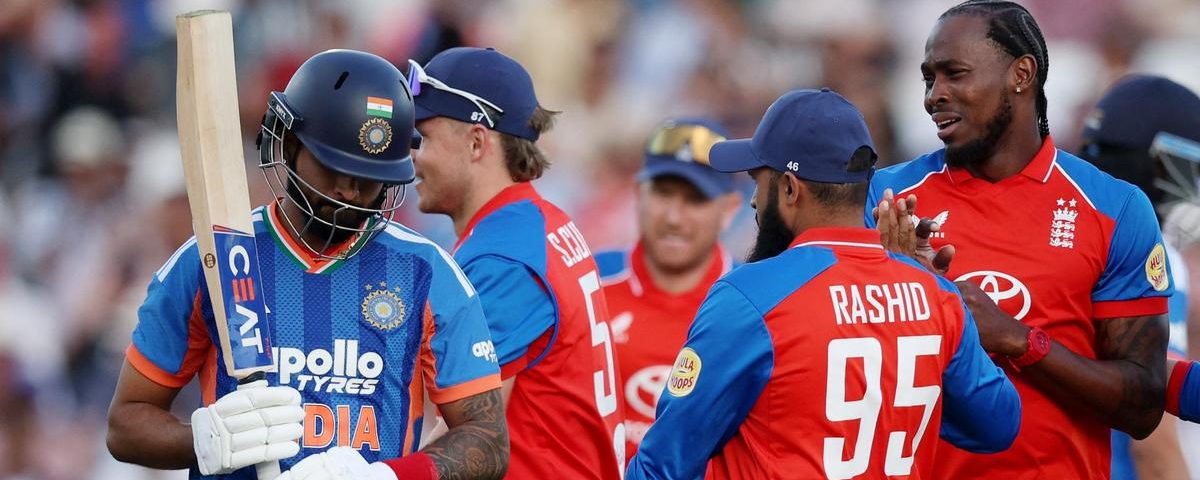
- India has suffered consecutive T20I series losses for the first time in recent memory.
- This includes a shocking defeat against Ireland and a record loss to England.
- The performances raise concerns about the BCCI's player selection and strategic direction.
- The team's batting and bowling units have shown significant deficiencies.
- Looking ahead, India must reassess its approach to upcoming ODI series and test matches.
In an unprecedented turn of events, the Indian cricket team has recorded consecutive T20I series losses, marking a significant moment in its cricketing history. The first defeat came against Ireland in June 2026, followed by a staggering 125-run loss to England, which stands as India’s heaviest defeat in T20Is. This decline has sparked discussions among fans and analysts alike about the team’s strategy and the direction enforced by the Board of Control for Cricket in India (BCCI).
T20I series losses: What You Need to Know
The aftermath of these defeats raises critical questions about the current state of Indian cricket, particularly regarding team selection and performance. The BCCI, which has long been viewed as a guiding force in cricketing excellence, is now under scrutiny as fans demand accountability for the team’s recent performances. Both the batting and bowling units have faltered, indicating a need for a comprehensive evaluation of player form and fitness. The stark contrast between expectations and outcomes has led to a dramatic shift in how the team is perceived, both domestically and internationally.
One of the pressing issues facing the Indian squad is the inconsistency in the batting lineup. Key players have struggled to find their rhythm, leading to a lack of partnerships and substantial scores. The team’s reliance on a few prominent batsmen has become increasingly evident, and the absence of a solid middle order has left them vulnerable against quality bowling attacks. The T20 format, known for its fast-paced nature, demands explosive batting, but the Indian lineup has often appeared tentative and uncertain in their approach.
Moreover, the bowling department has not fared much better, with the team conceding runs at an alarming rate. In the recent loss to England, the bowling unit was unable to adapt to the conditions, failing to take crucial wickets at pivotal moments. This has prompted calls for younger players to be given a chance, as the team grapples with finding the right mix of experience and youth. The BCCI’s challenge now is to identify and nurture emerging talent that can adapt to the rigors of international cricket, particularly in the shorter formats.
Analysis & Key Takeaways
As India prepares for upcoming ODI series and test matches, the focus must shift to building a cohesive strategy that emphasizes both batting resilience and bowling effectiveness. The lessons learned from these T20I series losses could serve as a catalyst for a stronger, more adaptable team. A thorough analysis of player performance, combined with a commitment to fostering new talent, could potentially set the stage for redemption in future outings.
There’s also the matter of psychological impact on the players. Losing two consecutive series can weigh heavily on the team’s morale, affecting their confidence going into subsequent matches. Mental resilience is as crucial as technical skill in high-pressure situations, and the coaching staff must be prepared to address these psychological barriers. Building a supportive environment where players feel secure to express themselves will be key to overcoming the current slump.
Furthermore, as we look at the broader implications of these defeats, it’s essential to consider how the BCCI will respond. The pressure to perform is immense, and the board’s decisions in the coming weeks will likely shape the future trajectory of Indian cricket. Will they stick with the current squad or opt for a more radical overhaul? In our view, a balanced approach that blends experienced players with fresh talent could pave the way for a return to form.
Looking ahead, the Indian cricket team has an opportunity to learn and grow from these setbacks. The commitment to improvement and development will be pivotal as they enter a busy schedule with various ODI series and test matches on the horizon. The cricketing world will be watching closely to see how the BCCI navigates these challenges and steers the team back on course.
As we reflect on India’s recent T20I series losses, it becomes evident that this moment could serve as a crucial turning point for the team. While the defeats are disappointing, they also provide an opportunity for introspection and change. We believe that the BCCI must be proactive in its response, potentially initiating a series of workshops and training camps aimed at boosting player confidence and refining skills.<br />
Moreover, the cricketing landscape is evolving, and India must adapt to maintain its competitive edge. The incorporation of data analytics and modern training techniques could be instrumental in reshaping the team’s approach. Our view is that embracing these changes, while learning from the recent past, could not only help the Indian team recover but also re-establish its status as a formidable force in international cricket.
Source: When was the last time India lost consecutive T20I series in a row?
Sports News Plus is a news aggregator. We do not own or claim rights to any images, videos, or source content featured on this site. All images and media are the property of their respective original owners and publishers. Article content is independently written based on publicly available news sources, which are credited and linked throughout. Full disclosure →