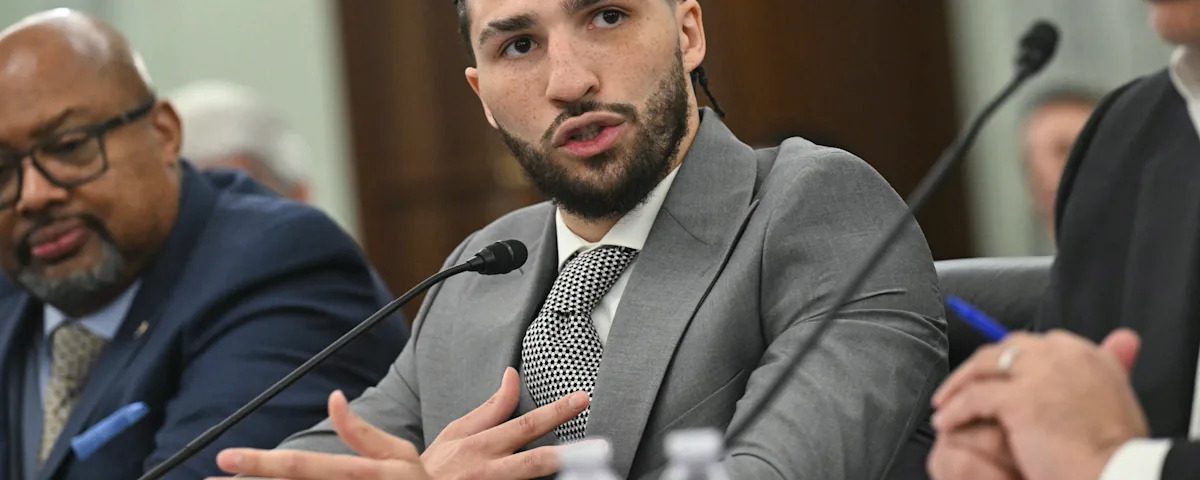
- Muhammad Ali's grandson, Nico Ali Walsh, vocally opposes the new reforms to the Ali Act.
- Oscar De La Hoya joins the chorus, warning it could harm boxers' rights.
- The reforms could fundamentally alter the landscape of professional boxing.
- Current statistics show that over 75% of boxers struggle financially post-career.
- The boxing community must unite to protect the integrity of the sport amid potential legislative changes.
Ali Act reforms In a recent U.S. Senate hearing held on April 22, 2026, Nico Ali Walsh, the grandson of the legendary Muhammad Ali, and former champion Oscar De La Hoya raised alarms about the proposed reforms to the Ali Act. This landmark legislation, originally introduced to protect the rights and welfare of professional boxers, is now facing adjustments that could undermine its foundational principles. Walsh’s impassioned statement about his grandfather’s legacy reveals the depth of concern within the boxing community regarding the potential consequences of these reforms.
The Ali Act was enacted in 2000, primarily to ensure fair treatment for fighters and to increase transparency in the sport. Its provisions have been crucial in safeguarding the rights of boxers, but as the sport has evolved, so too have the challenges facing its athletes. With the Senate’s recent discussions, the future of the Ali Act hangs in the balance, prompting a reevaluation of what it means to protect fighters in a commercialized arena.
As the debate unfolds, it is essential to consider the implications of these reforms not just for current fighters but for the integrity of the sport itself. Reports indicate that more than 75% of boxers experience financial difficulties after retiring, often due to a lack of planning and insufficient earnings throughout their careers. The potential weakening of the Ali Act could exacerbate these issues, leaving many athletes vulnerable in their post-fighting lives.
The Implications of Reforming the Ali Act
If passed in its current form, the proposed reforms could drastically alter how fighters negotiate contracts and manage their careers. The intent behind the legislation is to modernize the Act in response to the changing dynamics of the sport, but critics argue that it may inadvertently strip away essential protections. De La Hoya has been particularly vocal about the dangers, suggesting that the reforms may favor promoters and managers at the expense of the fighters themselves.
The essence of the Ali Act is rooted in protecting boxers from exploitation — a concern as relevant today as it was over two decades ago. By introducing changes that could dilute its effectiveness, the Senate risks compromising the welfare of athletes who dedicate their lives to the sport. This concern is magnified when reflecting on the fight results of recent heavyweight bouts where developing fighters face increasing pressure to deliver knockouts rather than prioritize their health and well-being.
Boxing Statistics: The Financial Reality for Fighters
Statistical insights into boxing illustrate the pressing need to safeguard fighters’ rights. Historically, heavyweight champions have enjoyed lucrative contracts, but the vast majority of boxers do not experience such financial success. The average purse for a boxer can vary widely, but many earn less than $20,000 per fight, making it increasingly difficult for them to secure a stable future. The risk of injury further complicates matters; studies show that about 30% of professional boxers sustain serious injuries that can affect their ability to earn a living.
Moreover, the knockout (KO) rate in heavyweight boxing tends to fluctuate, with an average of around 60% of bouts ending in a KO. This statistic highlights the physical toll the sport takes on its athletes. If the Ali Act reforms lead to diminished protections, the trend of fighters being pushed into more dangerous situations could increase, further jeopardizing their health and financial security.
As we observe these developments, it is crucial for the boxing community — fighters, promoters, and fans alike — to advocate for legislation that upholds the spirit of the Ali Act. The legacy of Muhammad Ali is not just one of athletic prowess, but also of standing up for the rights of those in the ring.
As we look ahead, the proposed reforms to the Ali Act pose a significant challenge not only to individual fighters but to the sport of boxing as a whole. We believe that the voices of legends like De La Hoya and Walsh are crucial in this conversation, as they highlight the ongoing struggle for fairness and equity in a sport often marred by exploitation.<br />
The potential consequences of these reforms could lead to a landscape where the financial struggles of professional boxers become even more pronounced. As the industry evolves, it is imperative for the boxing community to rally around the need for legislation that genuinely protects fighters, ensuring their rights and livelihoods are prioritized.<br />
In the coming months, we will likely see increased activism from fighters and advocates pushing back against any measures that threaten the integrity of the Ali Act. The future of professional boxing may depend on it, and the sport must not lose sight of its core values amidst commercial pressures and legislative changes.
Sports News Plus is a news aggregator. We do not own or claim rights to any images, videos, or source content featured on this site. All images and media are the property of their respective original owners and publishers. Article content is independently written based on publicly available news sources, which are credited and linked throughout. Full disclosure →