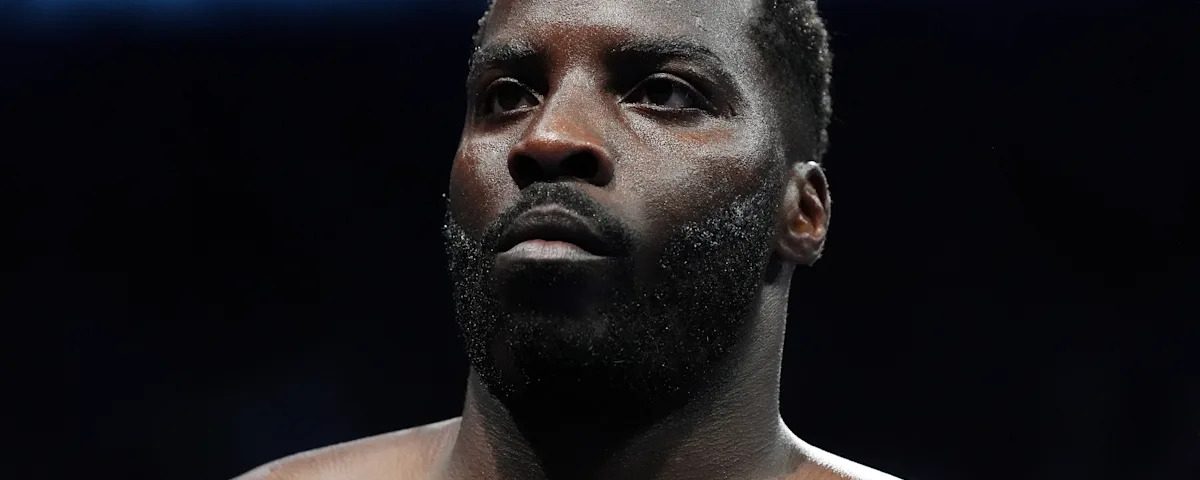
- Lawrence Okolie tested positive for a banned substance ahead of his scheduled fight.
- The cancellation of the Tony Yoka card highlights serious concerns in the boxing community.
- Fans are divided, expressing disbelief and outrage on social media.
- The incident raises questions about the integrity of heavyweight boxing and its fighters.
- This controversy may influence future regulations and anti-doping measures in the sport.
On April 21, 2026, the world of heavyweight boxing was rocked by news that Lawrence Okolie, the WBC’s No. 1-ranked heavyweight, failed a drug test for the banned human growth hormone stimulator GHRP 2 and its M8 metabolite. The revelation led to the immediate cancellation of the entire Tony Yoka fight card, which was set to take place on Saturday. Fans, analysts, and fellow fighters alike are grappling with the implications of this incident, which has raised serious questions about the current state of doping regulations and the integrity of the sport.
Heavyweight boxing: What You Need to Know
The fallout from Okolie’s positive test is multifaceted. Firstly, it casts a long shadow over a sport that has been striving to maintain its reputation amid ongoing doping scandals. Heavyweight boxing, in particular, has faced scrutiny due to its high-stakes nature and the power dynamics at play. As the heavyweight division garners global attention, incidents like this threaten to undermine the credibility of champions and contenders alike.
The immediate reaction from the boxing community has been one of shock and disappointment. Fans who were eagerly anticipating the fight are left in the lurch, while okolie’s supporters face a crisis of faith. In the wake of this news, social media has exploded with a mix of outrage and disbelief. Hashtags like #OkolieFail and #BoxingIntegrity are trending, as fans debate the ramifications of the failed drug test. Some express anger towards Okolie, feeling betrayed by a fighter they once admired, while others rally to his defense, arguing that the system is flawed and that many fighters are unfairly targeted.
This incident is not just a personal setback for Okolie; it raises broader issues about the culture of doping in heavyweight boxing. The fact that a fighter at the pinnacle of the sport could test positive for a performance-enhancing substance speaks volumes about the pressures athletes face. The quest for a world title can drive fighters to make desperate choices, but the repercussions extend beyond the individual. It casts doubt on the authenticity of fight results and the legitimacy of title reigns, particularly in a division where knockout power and physicality are paramount.
Analysis & Key Takeaways
The cancellation of the Yoka fight card also raises questions about the future of match promotions in the heavyweight division. With fans now more skeptical than ever, promoters must take extra steps to ensure transparency and uphold the sport’s integrity. The boxing community needs to come together to address the elephant in the room—doping—and consider implementing stricter regulations and testing protocols. This not only protects the athletes but also preserves the sport’s reputation.
As discussions unfold, we can expect to see a shift in how boxing organizations approach doping violations. With the backlash against Okolie, other fighters might think twice before risking their careers for a short-term gain. The potential for increased scrutiny could lead to more rigorous testing, and perhaps, a change in how fighters prepare for bouts. The future of heavyweight boxing hinges on its ability to tackle these issues head-on.
Fan reactions will continue to shape the narrative around this incident. Many are calling for harsher penalties for those found guilty of doping, arguing that a strong stance is essential to preserve the integrity of the sport. Others are debating the role of mental health and the pressures that come with being a professional athlete. As we move forward, the conversation must include not only punishment but also support for athletes who might feel overwhelmed by the demands of competition.
The implications of Okolie’s failed drug test extend beyond the immediate fallout. If this incident serves as a wake-up call for the boxing community, it could lead to a safer and more transparent sport. Fans deserve to see the best athletes compete at their full potential without the shadow of suspicion hanging over their heads.
Ultimately, heavyweight boxing must confront these challenges with courage and transparency. The sport’s integrity depends on it, as does the faith of its fans. As we await more developments in the aftermath of this scandal, one thing is clear: the world of boxing is at a crossroads, and how it responds will shape its future.
We believe that the fallout from Okolie's failed drug test serves as a critical moment for the heavyweight boxing community. This incident not only tarnishes Okolie's reputation but also highlights systemic issues that have plagued the sport for decades. The sentiment among fans and commentators alike is one of anger and disappointment, suggesting that this could be the impetus for meaningful change in anti-doping regulations.<br />
Moreover, this controversy might prompt other fighters to reconsider their training and preparation strategies, prioritizing ethical practices over questionable short-term benefits. As the boxing world reacts to this scandal, we hope to see a renewed commitment to fair play, ensuring that the true champions of the sport are those who have earned their titles through hard work and integrity. The path forward may be rocky, but it is essential for the long-term credibility of heavyweight boxing.
Source: Lawrence Okolie fails drug test, Queensberry cancels entire Tony Yoka card
Sports News Plus is a news aggregator. We do not own or claim rights to any images, videos, or source content featured on this site. All images and media are the property of their respective original owners and publishers. Article content is independently written based on publicly available news sources, which are credited and linked throughout. Full disclosure →