- Toto Wolff's journey from aspiring driver to billionaire team principal is a testament to resilience and strategic thinking.
- His leadership has redefined Mercedes’ dominance in the Formula 1 championship.
- Wolff's early understanding of his limitations guided him towards a successful management career.
- The historical context of Wolff's rise parallels other significant F1 leadership changes.
- Looking forward, Wolff's influence will shape the future dynamics of Formula 1 racing.
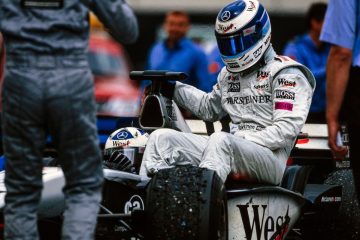
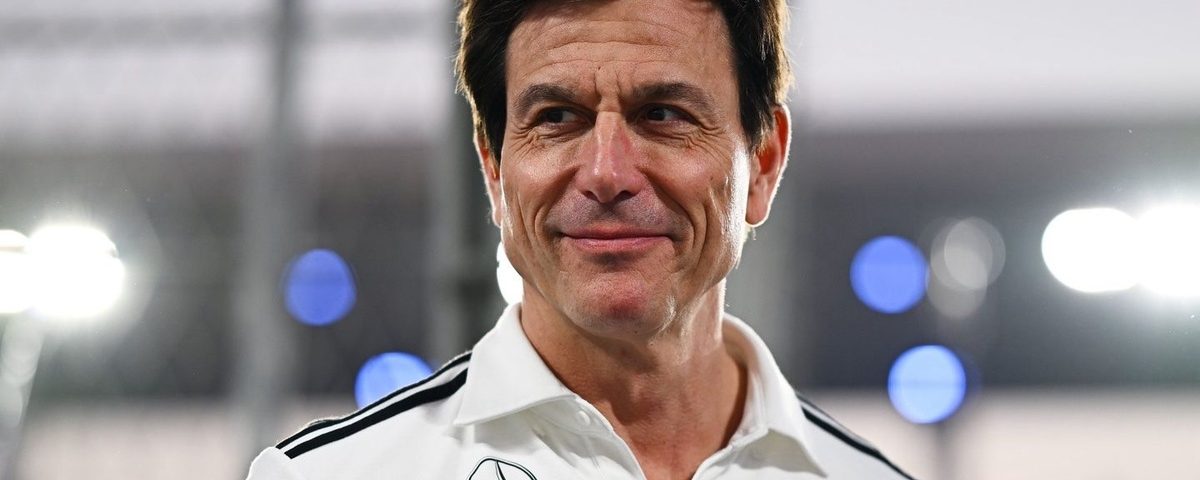
Toto Wolff, born on January 12, 1972, in Vienna, Austria, has become a pivotal figure in the world of Formula 1. As the CEO and team principal of Mercedes-AMG Petronas Formula One Team, Wolff has transformed the organization into a powerhouse, leading it to multiple Constructors’ Championships and establishing a legacy that may endure beyond his tenure. His ascent from a modest background, where he initially pursued a career as a racing driver, has not only made him a billionaire but also a respected figure in motorsport. This transformation is particularly significant given the competitive landscape of Formula 1.
Wolff’s early life was marked by a keen interest in motorsport, spurred on by his parents’ diverse backgrounds. Although he competed in Formula Ford, he soon recognized that his driving skills would not propel him to the heights he desired. This self-awareness led him to shift his focus towards the business side of racing. He became a successful investor and eventually took the reins at Mercedes in 2013, a move that would redefine the team’s trajectory in Formula 1.
Under Wolff’s leadership, Mercedes has dominated the sport, clinching seven consecutive Constructors’ Championships from 2014 to 2020. His success can be attributed to a unique blend of strategic vision, team cohesion, and an ability to adapt to the evolving competitive landscape of F1. For instance, Wolff’s emphasis on data analytics and performance optimization has set new benchmarks in the sport, ensuring that his team consistently outperforms rivals.
Historical Context: Leadership Changes in Formula 1
Wolff’s rise is not an isolated event in the annals of Formula 1 history. Leadership changes within teams often herald significant shifts in performance and strategy. For instance, when Ron Dennis took over McLaren in the 1980s, he introduced a professional structure to the team that led to unprecedented success. Similarly, Jean Todt’s tenure at Ferrari in the early 2000s brought about a renaissance that saw the Scuderia dominate the sport for a period.
These shifts often lead to a reevaluation of team culture and competitive tactics. Wolff’s approach mirrors these historical precedents; he has fostered a culture of innovation and excellence at Mercedes, leading to a strong team dynamic that prioritizes both driver and engineering performance. As history suggests, such transformations can have lasting impacts, not just for the teams involved but for the sport as a whole.
The question now arises: what does the future hold for Wolff and Mercedes? Given the increasing competitiveness from teams like Red Bull Racing and Ferrari, Wolff must continue to evolve the team’s strategy to maintain its edge. The current season’s race results indicate that the competition is tightening, and a new era of unpredictability may be on the horizon.
The Future of Formula 1 under Wolff’s Leadership
As we look ahead to the upcoming seasons, Toto Wolff’s influence will undoubtedly shape the future dynamics of Formula 1 racing. His leadership style, characterized by an emphasis on collaboration and innovation, will be crucial as teams adapt to new regulations aimed at increasing competitiveness. The introduction of budget caps and sustainability measures is set to level the playing field, and how Wolff navigates these changes could define his legacy.
Moreover, Wolff’s business acumen has not only transformed Mercedes but has also impacted the wider landscape of F1. His push for diversity in motorsport and emphasis on technology will resonate as the sport seeks to attract a new generation of fans and participants. This holistic approach to leadership may prove invaluable as Formula 1 transitions into a more inclusive and dynamic future.
In conclusion, Toto Wolff’s journey from a determined young driver to a billionaire team principal is a compelling narrative that reflects both personal ambition and the broader evolution of Formula 1. As the sport continues to evolve, Wolff’s strategic vision will play a crucial role in shaping the championship’s future. The outlook for Mercedes remains bright as long as Wolff maintains his commitment to excellence and innovation.
In our view, Toto Wolff’s journey encapsulates a broader narrative about the evolution of leadership in Formula 1. His ability to pivot from a driver to a successful team principal speaks volumes about the necessity of adaptability, a trait that is increasingly vital in today's competitive landscape. With rising talents and established teams threatening to disrupt the status quo, Wolff's strategic foresight will be tested like never before.<br />
As the sport embraces technological advancements and sustainability, we believe that Wolff’s experience will be critical. The upcoming regulatory changes may pose challenges, but they also present opportunities for innovative strategies that could redefine race results and championship standings. Wolff’s legacy will not only be measured by trophies but also by how he navigates these transformative times for Formula 1.
Source: How Toto Wolff became the billionaire Mercedes F1 team boss
Sports News Plus is a news aggregator. We do not own or claim rights to any images, videos, or source content featured on this site. All images and media are the property of their respective original owners and publishers. Article content is independently written based on publicly available news sources, which are credited and linked throughout. Full disclosure →