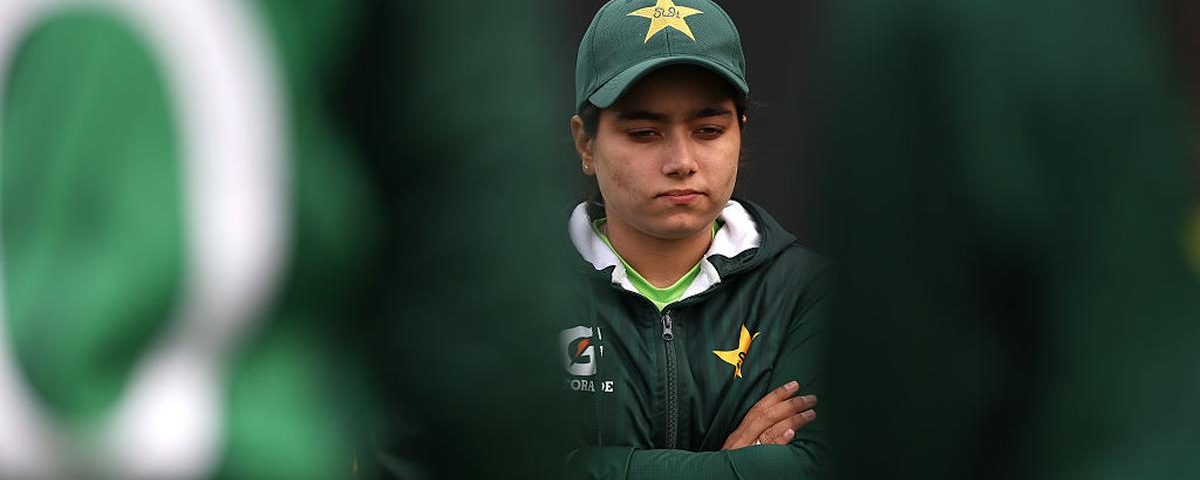
- Pakistan was one over short in their T20 World Cup loss to India.
- The fine highlights ongoing concerns about over rates in women's cricket.
- Fan sentiment on social media reflects both frustration and support.
- The incident may impact Pakistan's preparations for upcoming ODI series.
- There’s growing discourse around the influence of the BCCI in women's cricket.
On June 16, 2026, Pakistan’s women’s cricket team faced a challenging match against India during the Women’s T20 World Cup at Edgbaston, Birmingham. Following a 64-run defeat, the Pakistan team was fined for being one over short of the required bowling quota, even after accounting for time allowances. This incident not only adds a layer of controversy to an already heated rivalry but also raises questions about the implications for Pakistan’s ongoing campaign in the tournament.
Women’s T20 World Cup: What You Need to Know
The concern regarding slow over rates is not new in cricket, as teams have faced similar fines in both men’s and women’s formats. However, this situation has sparked a broader conversation about the pressure on players and teams during crucial matches. For Pakistan, already grappling with the challenges of performance consistency, this fine could have repercussions on the morale and focus of the squad as they navigate the complexities of the tournament.
Fans have taken to social media to express their views on the fine and its implications for the team. Many supporters are frustrated, arguing that the slow over rate reflects a lack of discipline and preparation. Some have voiced concerns that such incidents could overshadow the team’s performance and hinder their chances in subsequent matches. Conversely, there remains a strong contingent of fans who rally behind the players, emphasizing the need for support rather than criticism. This division in sentiment reflects the passionate nature of cricket fandom, particularly when stakes are high in a major tournament.
The slow over rate also raises questions about preparation and time management in high-pressure situations. With the next ODI series on the horizon, the Pakistani team will need to address these issues swiftly. The upcoming matches will be crucial not just for points but also for rebuilding confidence following this setback.
Analysis & Key Takeaways
As the Women’s T20 World Cup progresses, the fine serves as a stark reminder of the importance of adhering to game regulations, especially as the stakes continue to rise. The Pakistan Cricket Board (PCB) will undoubtedly be in discussions about how to better equip their players to handle the pressures of international cricket, especially in a high-visibility tournament like this.
There is also an undercurrent of conversation regarding the influence of the Board of Control for Cricket in India (BCCI) on women’s cricket globally. As the landscape of women’s cricket continues to evolve, the BCCI’s role has been pivotal in raising the profile of the game, which could create both opportunities and challenges for teams like Pakistan. This ongoing discourse emphasizes the need for all cricket boards to ensure that their teams are adequately prepared and supported in all aspects of the game, including time management.
In the wake of this fine, it will be intriguing to observe how the Pakistani team adapts and responds in their remaining matches. With the tensions heightened and expectations looming, the players must find a balance between performance and adherence to the rules to ensure their path forward is not marred by off-field issues.
The fan reaction encapsulates the emotional investment that supporters have in their teams. Social media platforms are buzzing with discussions about the implications of the fine on the team’s dynamics and prospects for the rest of the tournament. It’s a reminder that in cricket, much like in life, every decision counts, and maintaining focus is crucial. Looking ahead, the performance of the Pakistani team will be under scrutiny not just for their cricketing skills but also for their ability to navigate the pressures of international play.
As we approach the latter stages of the Women’s T20 World Cup, there will be much to watch for in terms of how teams manage their gameplay, strategies, and the inevitable pressures that come with competing at such a high level. With a fine on the record, Pakistan’s journey forward will be a test of resilience, skill, and their capacity to learn from their mistakes.
In our view, the slow over rate issue faced by Pakistan serves as a larger metaphor for the challenges that women's cricket continues to face in establishing itself on the global stage. The fact that fans are engaged in a debate about the fine rather than the game's outcome itself underscores a need for greater focus on game management and discipline among players.<br />
We believe that this incident could serve as a catalyst for the PCB to implement more rigorous training and development programs aimed at time management and in-game decision-making. As the women's game continues to grow, the need for a structured approach to player development cannot be overstated. Education on the rules of the game, particularly for younger players, could significantly diminish such occurrences in the future.<br />
As the tournament progresses, we anticipate that this incident will not only affect Pakistan's immediate future but could also shape the narrative around how teams prepare for international competitions. With the spotlight on the Women's T20 World Cup, we hope to see a greater emphasis on professionalism and adherence to game regulations across all teams.
Source: Women’s T20 World Cup 2026: Pakistan fined for slow over rate against India
Sports News Plus is a news aggregator. We do not own or claim rights to any images, videos, or source content featured on this site. All images and media are the property of their respective original owners and publishers. Article content is independently written based on publicly available news sources, which are credited and linked throughout. Full disclosure →