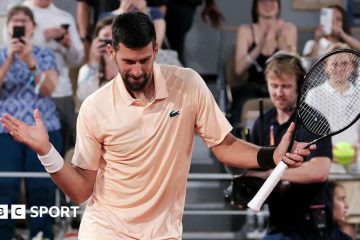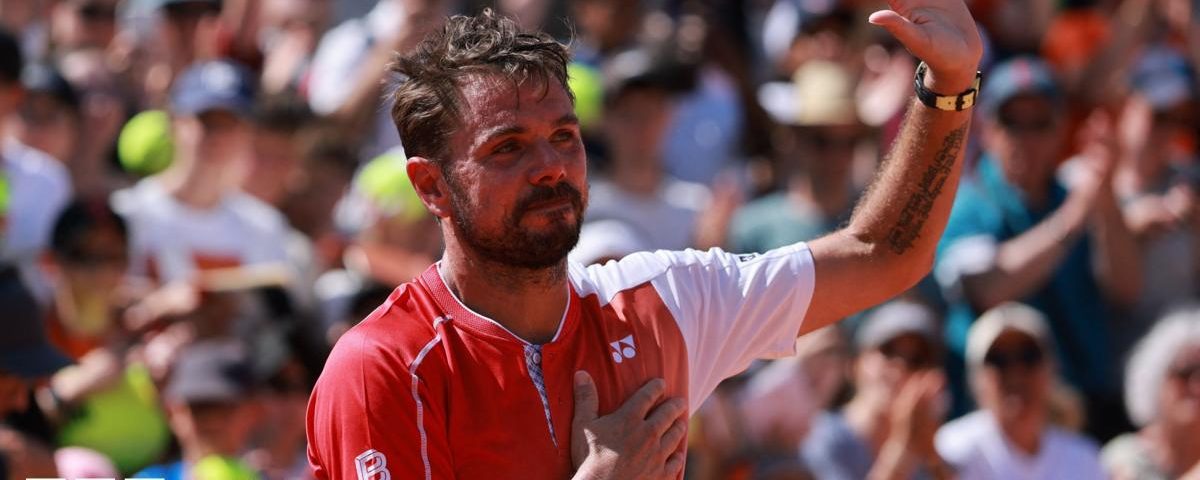
- Stan Wawrinka's exit in the first round of the French Open highlights the challenges faced by experienced players.
- Wawrinka, a three-time Grand Slam champion, leaves a remarkable legacy in tennis.
- His ATP ranking history showcases the peaks and valleys of his career.
- The match result reflects the increasing competitiveness on the ATP tour.
- Wawrinka's retirement could pave the way for a new generation of tennis stars.
Grand slam On May 25, 2026, former French Open champion Stan Wawrinka experienced a poignant moment in his career as he bowed out in the first round of this year’s tournament. Known for his powerful baseline game and remarkable shot-making, Wawrinka lost to a younger opponent, signaling not only the end of his campaign in Paris but also an emotional farewell to a venue that has been instrumental to his legacy. The match took place at the iconic Roland Garros, a site where Wawrinka triumphed in 2015 and solidified his place among tennis greats.
Wawrinka’s journey in tennis has been a tale of resilience and triumph, characterized by his three Grand Slam titles and an unyielding competitive spirit. However, as he faced the reality of his declining ATP ranking, the match result against a rising star was a stark reminder of the relentless nature of professional sports. As athletes age, the younger generation eagerly steps forward, hungry for their own place in history.
As we reflect on Wawrinka’s career, it is essential to recognize the impact he has had on the sport. His 2015 French Open victory was not merely a personal achievement but a significant moment in tennis history. Wawrinka defeated the likes of Novak Djokovic and Andy Murray on his path to glory, showcasing his ability to compete at the highest level. His powerful one-handed backhand, tactical intelligence, and mental fortitude made him a formidable opponent throughout his career.
Yet, with great achievements come challenges. Wawrinka’s ATP ranking has seen fluctuations that tell a story of both success and struggle. He reached a career-high ranking of No. 3 in early 2014, but injuries and fierce competition have since affected his consistency. The physical demands of the WTA Tour and ATP tour alike are immense, and the mental strength required to navigate the pressures of being a top player can be overwhelming.
Wawrinka’s Statistical Legacy
To put Wawrinka’s achievements into perspective, let’s delve into some key statistics. Over the course of his career, Wawrinka has secured 16 ATP singles titles, including his three Grand Slams. His win rate hovers around 70%, a benchmark that highlights his effectiveness on the court, particularly in high-stakes matches.
In Grand Slam tournaments, Wawrinka has recorded a match win percentage of approximately 60%, a testament to his ability to perform on the biggest stages in tennis. Furthermore, he has faced many of the best players in the world, with notable victories against each member of the ‘Big Three’—Roger Federer, Rafael Nadal, and Novak Djokovic.
Historically, Wawrinka is known for his exceptional performance on clay courts, underscored by his French Open triumph. His career has also included a significant number of five-set matches, illustrating his grit and determination. He has participated in over 100 Grand Slam matches, showcasing his longevity in a sport where the competition is consistently fierce.
Looking Ahead: The Future of Tennis
As Wawrinka bids adieu to the French Open, we are reminded that the world of tennis is ever-evolving. His departure opens the door for upcoming talents who are eager to carve out their own legacies. The ATP tour is currently filled with promising players, some of whom are already making waves and challenging the established order.
Wawrinka’s journey also serves as an inspiration for aspiring athletes. His story underscores that success in tennis is not just about talent but also about perseverance and heart. With each Grand Slam tournament, we witness the emergence of new stars, and as Wawrinka steps back, we can anticipate a shift in dynamics within the sport.
In conclusion, while Wawrinka’s exit from the 2026 French Open marks a significant milestone in his career, it also highlights the cyclical nature of professional sports. The legacy he leaves behind will continue to resonate, inspiring future generations of tennis players to strive for greatness. As we look toward the future, the impact of Wawrinka’s career will undoubtedly be felt on the ATP tour for years to come.
As we watch the sun set on Stan Wawrinka's storied career, it raises questions about the future landscape of men's tennis. Will the younger generation, emboldened by the absence of seasoned champions like Wawrinka, rise to the occasion and capture their own Grand Slam glory? The evolving dynamics of the ATP tour suggest that this could be a pivotal moment. The next wave of players, equipped with advanced training methods and technological insights, may redefine the sport in ways we are only beginning to understand.<br />
Moreover, Wawrinka's farewell serves as a reminder of the emotional weight carried by athletes as they transition out of competitive play. It is not just about the physical toll of the game; it is also about the mental and emotional dimensions of a career spent in the public eye. As we reflect on the legacy of Wawrinka, we must also consider the narratives of resilience that characterize the journey of every athlete as they navigate the complexities of retirement and legacy.
Source: 'In the end, I gave my all' – Wawrinka bids fond farewell to French Open
Sports News Plus is a news aggregator. We do not own or claim rights to any images, videos, or source content featured on this site. All images and media are the property of their respective original owners and publishers. Article content is independently written based on publicly available news sources, which are credited and linked throughout. Full disclosure →