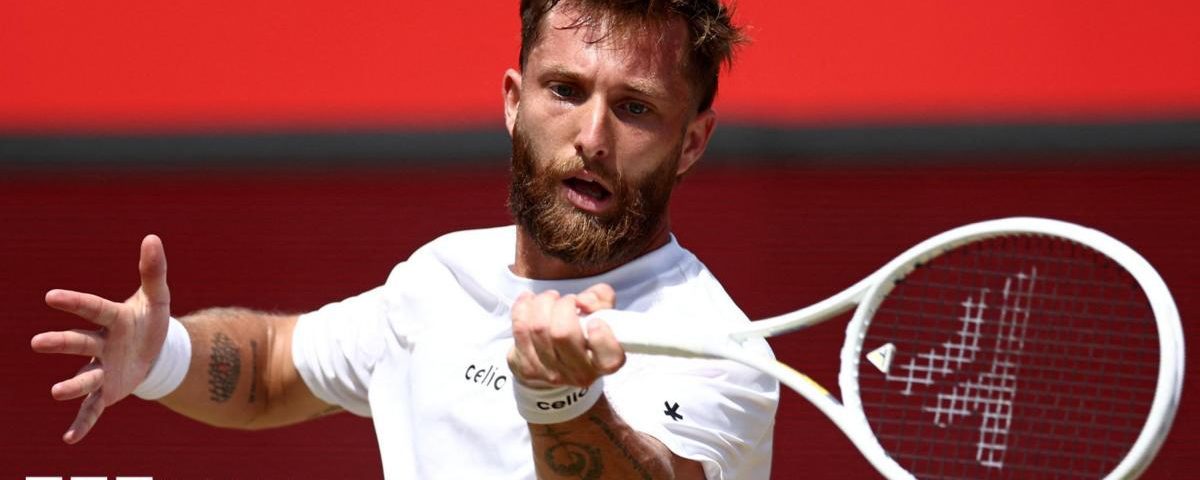
- Corentin Moutet lost nearly all his prize money from the Queen's tournament due to a hefty fine for inappropriate language.
- Moutet's actions have sparked discussions around player conduct and its implications for sponsorship and fan engagement.
- The incident underscores the increasing scrutiny players face from media and fans alike.
- Fines like Moutet's may impact players' ATP rankings and financial stability in the highly competitive tennis landscape.
- This situation may prompt the ATP and WTA to reevaluate existing conduct policies to maintain professionalism in the sport.
Grand slam In an unprecedented turn of events, French tennis player Corentin Moutet found himself in hot water after being fined nearly $40,000 for swearing during a live BBC television interview following his early exit from the Queen’s tournament on June 19, 2026. The incident not only cost him the majority of his prize money but also raised significant questions about player conduct and the expectations placed on athletes in high-stakes environments. As the tennis community reflects on this incident, the broader implications for the ATP and WTA tours become increasingly evident.
Moutet’s outburst underscores the pressure that players face as they navigate the demands of performance, media expectations, and fan engagement. With the intensity of the ATP and WTA circuits, players often find themselves under immense scrutiny. The fine serves as a reminder that behavior, both on and off the court, can have substantial ramifications, particularly in the age of social media where every moment is captured and critiqued in real-time.
As players vie for acclaim and recognition in their quest for Grand Slam titles, the stakes have never been higher. The financial burden of fines can be particularly punishing for lower-ranked players like Moutet, who are already operating within tight budgets. Such incidents could deter sponsors and investors who prefer a more polished image for their brands, ultimately influencing not just the individual player but also the sport’s overall marketability.
Examining the Tactical Implications
Tactically, Moutet’s loss at Queen’s was not just about his performance on the court, but rather about the psychological and emotional aspects that affect an athlete’s game. The pressure to perform well often leads to heightened emotions, which can manifest in unfortunate incidents like this one. While Moutet is known for his aggressive playing style and flamboyant persona, this incident raises questions about how mental fortitude is crucial in professional tennis.
In match play, a player’s mental state can significantly influence their performance and decision-making. Moutet’s emotional outburst could be seen as a reflection of the immediate disappointment stemming from a poor match result, highlighting the need for mental resilience in high-pressure situations. As players prepare for Grand Slam tournaments, understanding and managing their emotional health becomes increasingly vital.
Moreover, this incident may serve as a tactical lesson for Moutet and his coaches. Moving forward, they might need to develop strategies that enhance his focus during interviews and public appearances, ensuring that he represents himself and the sport in a manner that aligns with professional standards. In a sport where ATP rankings can fluctuate dramatically based on performance and conduct, adapting to such challenges is essential for longevity and success.
The Future of Player Conduct on the Tours
The ATP and WTA tours are at a crossroads when it comes to player conduct. Moutet’s fine could be the catalyst for a reevaluation of existing policies related to player behavior. As sponsorships and fan engagement continue to evolve, there is a pressing need for a comprehensive framework that addresses the expectations for professionalism in tennis.
The current climate suggests that players must not only excel in their matches but also uphold the integrity of the sport through their conduct. This may involve more stringent guidelines regarding public interactions and communications. As we look toward future Grand Slam events, the potential for stricter policies is evident.
Moving forward, the tennis community must engage in open discussions regarding player behavior. The aim should be to strike a balance between allowing players to express their individuality while still maintaining a level of professionalism that upholds the sport’s integrity. As tennis continues to grow on the world stage, the practices surrounding player conduct will inevitably shape the landscape of the game for years to come.
From our perspective, this incident serves as a pivotal moment in how player conduct is perceived in professional tennis. While Moutet's passionate personality is part of what makes him an exciting player to watch, the repercussions of his actions may force a reassessment of how such behaviors are managed. The fine is substantial, and it brings to light the potential consequences of emotional expression in high-pressure scenarios.<br />
As we move forward, we believe that the ATP and WTA will likely initiate more comprehensive discussions about player conduct, especially as it relates to media appearances. Striking a balance between a player's authentic self and the expectations of professionalism will be critical in shaping the future of the sport. This incident could very well serve as a warning shot for other players, emphasizing that there is a cost—both financially and reputationally—for letting emotions take control in the public eye.
Source: Moutet loses almost all prize money for swearing on BBC TV
Sports News Plus is a news aggregator. We do not own or claim rights to any images, videos, or source content featured on this site. All images and media are the property of their respective original owners and publishers. Article content is independently written based on publicly available news sources, which are credited and linked throughout. Full disclosure →