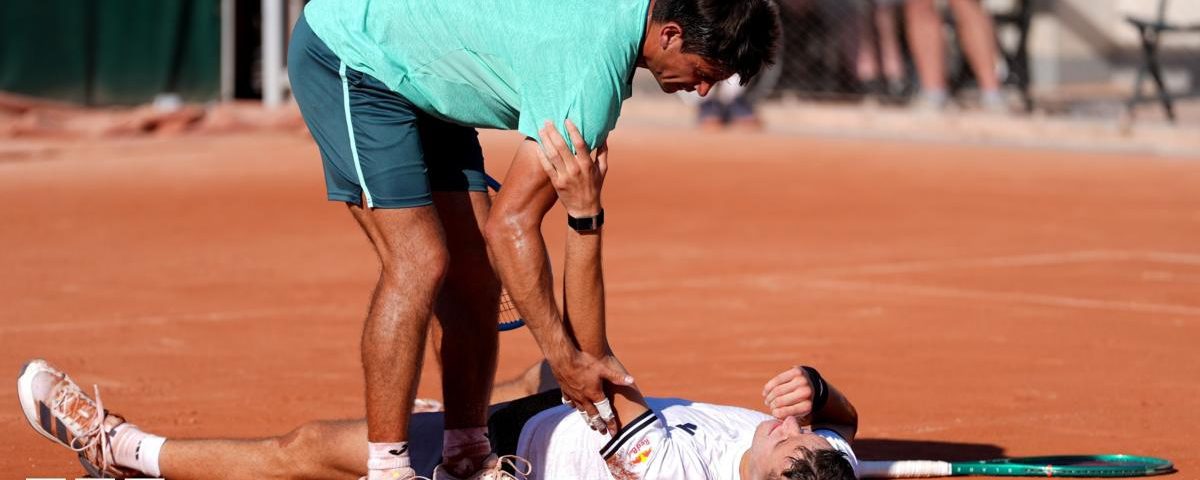
- Jakub Mensik collapsed during a second-round match at the French Open in Paris.
- He attributed his collapse to extreme fatigue from the match played in hot conditions.
- Mensik's ATP ranking is likely to be affected by his performance and health going forward.
- The incident raises concerns about player safety during Grand Slam events.
- Future matches may require adjustments to scheduling and conditions to protect athletes.
On May 27, 2026, young tennis star Jakub Mensik suffered a shocking collapse on the court following a hard-fought victory in the second round of the French Open, held in Paris. After battling through a demanding match under the sweltering heat, Mensik, who has been making headlines with his impressive ascent in the ATP rankings, described his experience in harrowing terms. “My body just turned off,” he stated, highlighting the physical toll such matches can extract from competitors.
This incident serves as a crucial reminder of the extreme conditions players face during Grand Slam events. The French Open, known for its clay courts and often unpredictable weather, can present unique challenges. Mensik’s situation underscores the importance of monitoring player health, particularly as the ATP and WTA tours continue to prioritize increasingly grueling schedules in pursuit of the ultimate title.
As Mensik’s collapse reverberates through the tennis community, it raises questions about the athlete’s immediate future, both in terms of health and performance. The young player has gained attention not just for his talent, but also for his rapid rise in the ATP rankings, which could be jeopardized by injuries or health issues stemming from such physical exertion.
One of the notable aspects of Mensik’s match before his collapse was his strategic approach to play. He exhibited a dynamic mix of powerful baseline rallies and tactical net play, which allowed him to secure the victory against a formidable opponent. However, this style of play requires immense stamina and physical resilience, particularly on the grueling clay surface of Roland Garros.
Tactical Breakdown: Mensik’s Play Style in Focus
Mensik’s match strategy centered around aggressive baseline play, leveraging his powerful forehand to dictate rallies. This tactical choice often puts pressure on opponents, forcing them into defensive positions. However, it also demands a high level of physical fitness, as extended rallies can sap energy quickly, particularly in high temperatures.
In the early stages of the match, Mensik’s ability to control the center of the court was crucial. He frequently engaged in key battles at the baseline, showcasing remarkable footwork and court coverage. These attributes are essential for any player aiming to rise in the ATP rankings, as they allow one to maintain a competitive edge against varied opponents.
However, the very aggressive style that earned him the match result can also lead to fatigue, as seen in his unfortunate collapse. The tactical gap created by his physical exhaustion became evident as the match progressed. When Mensik began to tire, his previously precise shot-making turned erratic, and he struggled to maintain his baseline dominance. This shift not only cost him energy but also opened opportunities for his opponent to capitalize on his diminishing returns.
The French Open is known for its physically demanding conditions, and Mensik’s experience serves as a stark reminder of the need for players to balance aggression with endurance. As the tournament progresses, it will be critical for players—especially younger competitors—to manage their energy levels and physical health carefully.
The Broader Implications for Player Safety
Mensik’s collapse is not merely an isolated incident; it reflects a broader issue within professional tennis regarding player health and safety. The ATP and WTA tours must consider the implications of playing in extreme heat, especially during Grand Slam tournaments where match durations can extend significantly.
The governing bodies may need to reassess their policies on match scheduling and player welfare. Adjustments could include implementing stricter heat rules or providing more breaks during matches to allow players to hydrate and recover. After all, the health of athletes should take precedence over the spectacle of the sport.
As the tennis world continues to scrutinize conditions at major tournaments, Mensik’s incident could serve as a catalyst for change. Ensuring players can compete at their best without jeopardizing their health is essential for the integrity and future of the sport.
Looking ahead, it will be imperative for Mensik to monitor his recovery and adapt his training regimen to mitigate the risks associated with such high-stress matches. The tennis community will undoubtedly rally around him, recognizing his potential and resilience.
In our view, this incident underscores a critical need for a paradigm shift in how the tennis community approaches player health during Grand Slam events. The intense physical demands inherent in the sport have always been a factor, but they have been exacerbated by the relentless schedules and increasingly competitive landscape of the ATP and WTA tours. By prioritizing player safety and revising policies that accommodate the realities of extreme conditions, the sport can foster an environment where athletes can thrive without risking their health.<br />
Moreover, Mensik’s rise in the ATP rankings adds a layer of urgency to this conversation. As a young talent, his potential to become a future star of the sport hinges not only on his skill but also on how well he can manage the physical and mental demands of professional tennis. The collapse serves as a wake-up call for both officials and players alike to recognize that the path to glory should not come at the cost of an athlete's well-being.
Source: 'My body just turned off' – Mensik collapses on court after win in Paris heat
Sports News Plus is a news aggregator. We do not own or claim rights to any images, videos, or source content featured on this site. All images and media are the property of their respective original owners and publishers. Article content is independently written based on publicly available news sources, which are credited and linked throughout. Full disclosure →