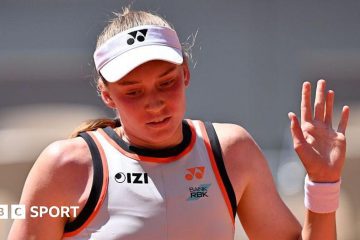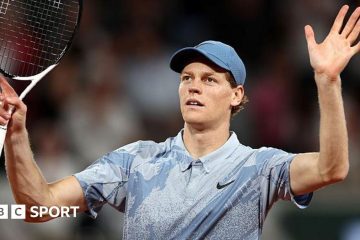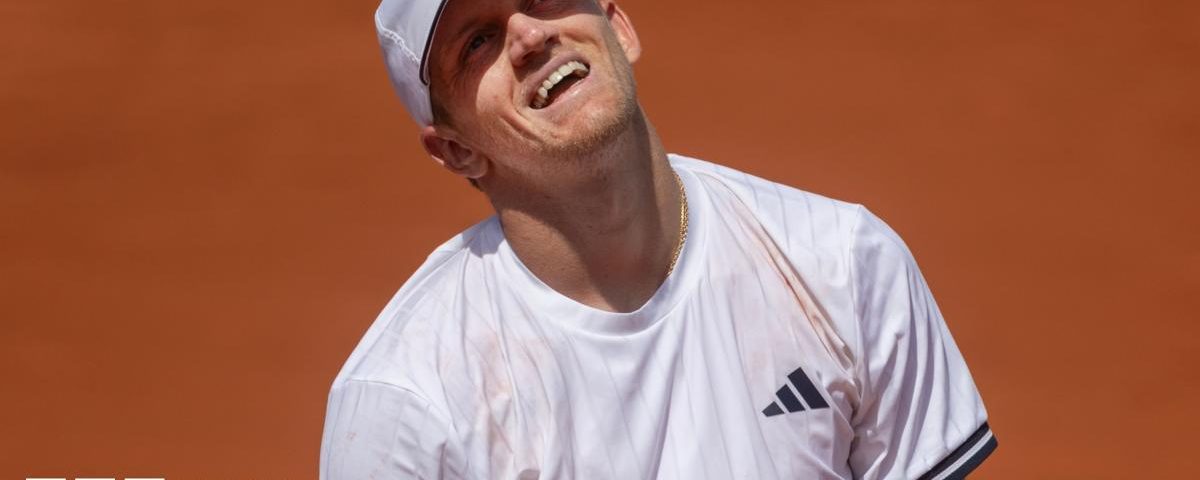
- Alejandro Davidovich Fokina's coach unexpectedly left mid-tournament, causing turmoil.
- The incident highlights the pressure athletes face during Grand Slam events.
- Davidovich Fokina has struggled in 2026, with a win rate below 50%.
- Coaching changes can significantly impact player performance and morale.
- This event may catalyze a re-evaluation of athlete-coach relationships in tennis.
In a startling development during the 2026 French Open, Spanish tennis player Alejandro Davidovich Fokina revealed that his coach had abandoned him, flying to Miami without prior communication. This unexpected departure occurred midway through the tournament, raising eyebrows and questions about the dynamics between players and coaches in high-pressure situations like Grand Slams.
French Open: What You Need to Know
Davidovich Fokina, who entered the French Open with aspirations of making a deep run, already faced mounting pressure due to a challenging start to the season. He had a win rate hovering just below 50%, a statistic that reflects the struggles many players face on the ATP tour. With his ATP ranking fluctuating, the abrupt change in his coaching staff could have significant implications for his performance on the court.
The French Open, known for its grueling matches and intense competition, serves as a stage where athletes’ mental and emotional fortitude is tested. The departure of a coach mid-tournament can be destabilizing, leading to questions about the support systems that players have in place. Coaches play a vital role in providing guidance, strategy, and emotional support, especially during Grand Slam events where the stakes are incredibly high.
By the Numbers: Understanding Performance Trends
To better understand the implications of a coaching change, it’s essential to delve into some statistics that contextualize Davidovich Fokina’s performance. His win rate in 2026 prior to the French Open was approximately 48%, a figure that reflects not only his on-court performance but also the mental strain of competing at a high level without consistent support.
Moreover, looking at historical benchmarks, the average win rate for top-10 ATP players generally hovers around 65-70%. This disparity highlights the uphill battle Davidovich Fokina faces, particularly as he navigates the emotional turmoil of losing a coach mid-tournament. Historically, when players experience coaching changes, they often see a dip in performance initially before potentially stabilizing or even improving in the long term, depending on the new dynamic.
Analysis & Key Takeaways
The French Open has a storied history, and it has seen its share of unexpected events. The abandonment by a coach is not a common occurrence, but it does shine a light on the interpersonal relationships that are crucial in professional tennis. Coaches often serve as more than strategists; they are crucial for mental conditioning and emotional support. The impact of such a loss can reverberate beyond the immediate match results, affecting how a player approaches future tournaments.
The psychological toll of such an event cannot be understated. The ATP tour is notorious for its demanding schedule, with players often finding themselves under immense pressure. Davidovich Fokina’s situation serves as a reminder that the mental aspect of the game is just as important as physical prowess.
Looking Ahead: The Road to Recovery
As Davidovich Fokina navigates the fallout from this incident, the question remains: how will he regroup? The ATP tour features a relentless schedule, and the next events will be critical for him to regain both confidence and momentum. A quick recovery will require not just finding a new coach but also ensuring that he has the right mental framework to perform at his best.
This incident could prompt a broader discussion about athlete-coach relationships in tennis. As players increasingly emphasize mental health and well-being, fostering stable and supportive coaching environments may become a priority. The tennis community must also consider the implications of such abrupt changes and how they can prepare athletes to handle adversity both on and off the court.
In conclusion, the abrupt departure of Alejandro Davidovich Fokina’s coach raises questions about the broader implications of coaching dynamics in tennis. As the French Open continues, we will watch closely to see how this incident influences both Davidovich Fokina’s immediate performance and the ongoing discourse around athlete support systems.
As we reflect on Alejandro Davidovich Fokina's situation, it's clear that this incident is more than just a personal crisis; it highlights systemic issues within the professional tennis landscape. The relationship between athletes and coaches is critical, and disruptions can lead to far-reaching consequences. This incident could serve as a pivotal moment for tennis, prompting players to evaluate their coaching relationships more critically.<br />
Moreover, we must consider the emotional resilience required from athletes, especially during high-stakes events like the French Open. The narrative surrounding mental health in sports is evolving, and situations like this may catalyze a conversation about how athletes can better prepare for the psychological challenges they face. With the tour's competitive nature, players must not only focus on their physical training but also build robust support systems to navigate the complexities of professional tennis.<br />
In the long run, we believe that this incident could lead to more transparent discussions within the tennis community regarding the expectations placed on coaches and players. As athletes continue to advocate for their mental well-being, the hope is that the sport will adapt to create environments that foster both performance and personal growth.
Source: 'He flew to Miami without a word' – Davidovich Fokina 'abandoned' by coach mid-French Open
Sports News Plus is a news aggregator. We do not own or claim rights to any images, videos, or source content featured on this site. All images and media are the property of their respective original owners and publishers. Article content is independently written based on publicly available news sources, which are credited and linked throughout. Full disclosure →