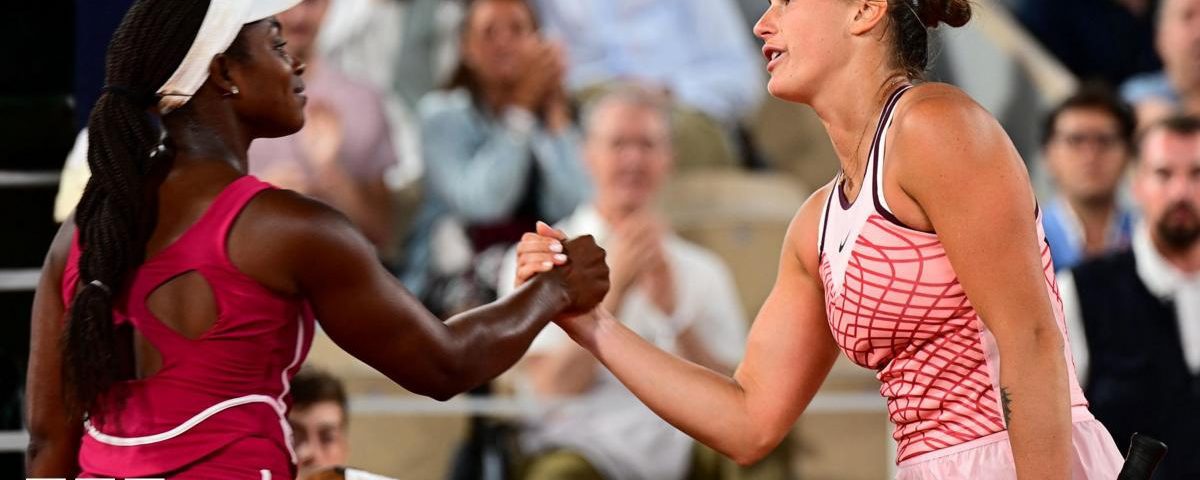
- All eight of this year's French Open night sessions have featured only male players.
- The decision has ignited debates on social media about gender equality in tennis.
- Fans are voicing concerns over the lack of representation for female players.
- Critics argue this trend undermines the progress of the WTA Tour.
- The implications could affect how female players are perceived in future grand slams.
French Open night matches This year’s French Open has sparked significant controversy as all eight night matches have been allocated solely to male players, sidelining their female counterparts in a glaring oversight of gender equity. Set against the backdrop of the iconic Roland-Garros in Paris, these matches have traditionally provided thrilling, prime-time spectacles, yet the absence of women’s matches raises critical questions about the treatment of female athletes in the sport. With the tournament unfolding in late May and early June, the disparity in match scheduling is becoming a focal point for fans, analysts, and advocates for equality alike.
French Open night matches: What You Need to Know
The French Open is renowned as one of the four grand slam tournaments, a title that signifies its importance and prestige in the world of tennis. However, as the ATP rankings and WTA Tour standings continue to evolve, the lack of representation for women in key night slots undermines the progress made in promoting female athletes. The exclusion of women from these prime matches not only sends a discouraging message to aspiring female players but also reflects an outdated perception of women’s tennis within the broader sporting landscape.
Fans have taken to social media to express their outrage over this decision. Twitter and Instagram are abuzz with hashtags like #EqualMatches and #WomenInSports, as supporters of female tennis players voice their frustration and disappointment. Many argue that women’s matches can be just as entertaining and competitive as men’s, citing recent thrilling encounters in the WTA Tour that have captivated audiences worldwide. This sentiment points to a growing recognition that the quality of the match result should be the central focus, rather than the gender of the players.
As discussions heat up, fans are not only questioning the French Open’s decision but are also deliberating its broader implications for women’s sports. The WTA Tour has made significant strides in recent years, showcasing exceptional talent and increasing viewership. Yet, the current trend of relegating women to the sidelines during prime-time matches could hinder this progress. The message sent by the French Open’s scheduling choices risks reinforcing stereotypes that women’s sports are less worthy of attention, thereby impacting sponsorships, media coverage, and ultimately, the ATP and WTA rankings.
Analysis & Key Takeaways
Historically, grand slam tournaments have had moments of progress and regression concerning gender equality. Events like the Australian Open and US Open have made strides to integrate women more equitably into their scheduling, often showcasing high-stakes matches in the evenings. In contrast, the French Open’s decision stands out as an anomaly, prompting inquiries into the reasoning behind these match allocations. Could it be that the organizers are clinging to outdated views? Or, are they simply prioritizing commercial interests over equitable treatment?
As the discussions unfold, the impact on fans and the tennis community cannot be overstated. Many supporters are expressing their desire for change, with some stating that they will reconsider attending future matches or investing in merchandise associated with the tournament unless they see a commitment to gender parity. This collective sentiment may mark a pivotal moment for tennis, where fans increasingly demand equality and representation for all athletes, regardless of gender.
We are witnessing a critical juncture in the conversation surrounding gender equality in sports. The overwhelming response from fans indicates a growing movement towards accountability for grand slam tournaments and their scheduling practices. The outcry surrounding the French Open’s night matches could catalyze change, propelling tennis organizations to re-evaluate how they allocate resources and attention across genders.
In this context, it is essential for tournaments to recognize that the future of the sport hinges not just on the ATP ranking but also on the WTA Tour’s ability to command equal respect and visibility. The fans’ voices serve as a reminder that the success of women’s tennis is inextricably linked to the overall health of the sport.
As we look ahead, the implications of this controversy extend beyond the immediate outcomes of the French Open. If the current trajectory continues without addressing these gender disparities, we risk alienating a significant portion of the fanbase that champions equality. The upcoming grand slams will undoubtedly be under scrutiny as fans, players, and organizations alike push for a more equitable future in tennis.
As we evaluate the fallout from the French Open's night match decisions, it becomes clear that this issue is emblematic of a broader struggle within sports for gender equality. The reaction from fans has been overwhelmingly in favor of inclusive scheduling, reflecting a shift in societal attitudes towards women in sports. In our view, this controversy not only highlights the need for immediate change at Roland-Garros but also serves as a wake-up call for other major tournaments to assess their own practices.<br />
Looking forward, we predict that this incident will lead to increased pressure on tennis authorities to develop a more balanced approach to match scheduling. The fans' ability to mobilize and express their discontent is a powerful tool that can drive change. We, along with the fans, hope to see a future where both ATP and WTA players are afforded equal opportunities on the grand stage, ensuring that the legacy of tennis continues to grow in a fair and equitable manner.
Source: 32 and counting – why are women overlooked for French Open night matches?
Sports News Plus is a news aggregator. We do not own or claim rights to any images, videos, or source content featured on this site. All images and media are the property of their respective original owners and publishers. Article content is independently written based on publicly available news sources, which are credited and linked throughout. Full disclosure →