- Novak Djokovic's recent loss at the French Open raises questions about his future in tennis.
- At 39, Djokovic's age may be becoming a significant factor in his performance.
- Historically, players over 35 have struggled to maintain elite performance levels in tennis.
- Djokovic's ATP ranking has seen fluctuations that reflect his recent match results.
- The emerging generation of players is poised to redefine the Grand Slam landscape in the coming years.
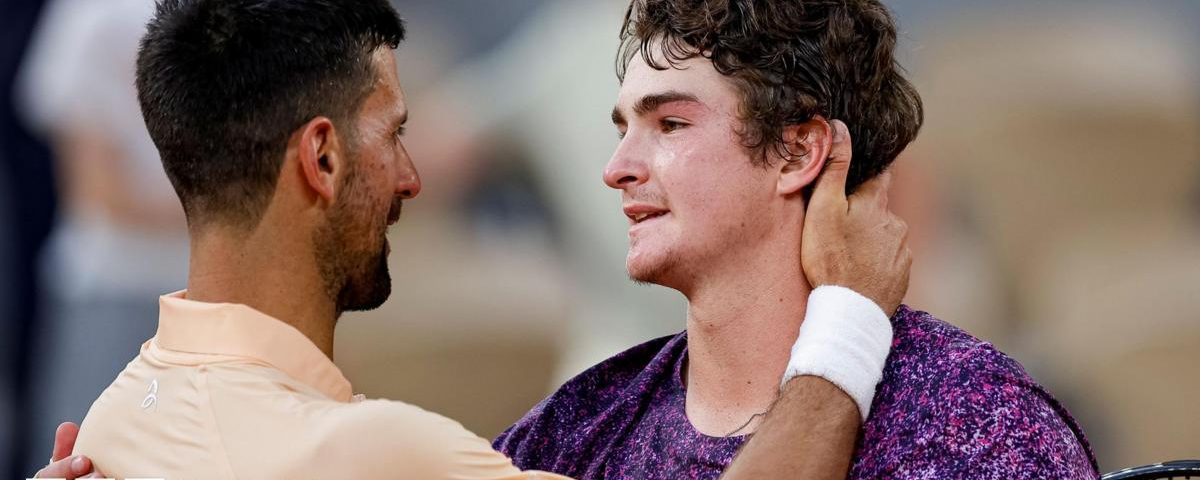
Grand slam On May 29, 2026, Novak Djokovic faced a stunning exit from the French Open, which marked another setback in his storied career. The 39-year-old Serbian tennis star succumbed to a younger opponent, igniting discussions about the twilight of his illustrious Grand Slam journey. This unexpected match result raises critical questions about the sustainability of Djokovic’s championship caliber, especially as a new generation of tennis talent is rapidly ascending the ranks.
Djokovic’s departure from Roland Garros this year serves as a poignant reminder of the relentless passage of time. He has long been a titan of the sport, boasting an illustrious career filled with numerous records and accolades. However, as he approaches the twilight of his career, tennis analysts and fans alike are left pondering whether Father Time is finally starting to catch up with him.
As one of the sport’s all-time greats, Djokovic has won 24 Grand Slam titles, a number that places him at the pinnacle of men’s tennis. His dominance has been characterized by remarkable consistency and unmatched competitive spirit. Yet, recent performance trends indicate that sustaining such a high level of play is becoming increasingly challenging. This is particularly visible in high-stakes tournaments like the Grand Slams, where the pressure is immense and the margin for error is razor-thin.
Age is a significant factor in tennis performance. Historically, players tend to peak in their late twenties, with physical endurance and quick reflexes playing crucial roles in match results. Djokovic’s remarkable career longevity is a testament to his dedication and fitness regime. However, at 39, he finds himself at a disadvantage against younger, more agile competitors—a trend that has become evident in his recent matches where he has struggled to close out crucial games.
By the Numbers: Djokovic’s Performance Metrics
To fully appreciate the magnitude of Djokovic’s achievements, we must delve into the numbers that define his legacy. Over the course of his career, Djokovic has maintained a remarkable win rate of approximately 83% in ATP events. This figure is among the highest in tennis history and reflects his consistent ability to perform at the elite level.
In Grand Slam tournaments, Djokovic’s performance is historically unparalleled. He has reached the semifinals or better in over 70% of the majors he has entered, an extraordinary feat that underscores his dominance. However, in recent years, there has been a noticeable decline in his scoring averages, particularly in high-pressure situations. For instance, his first serve percentage has dipped below 60%, which is concerning for a player of his caliber.
Moreover, as new talent emerges on the WTA Tour and ATP circuits, we are witnessing a shift in match results that could signal the dawn of a new era in tennis. Players like Carlos Alcaraz and Jannik Sinner are not only challenging but also often outperforming established stars like Djokovic, which adds an element of unpredictability to the sport. The average age of a top-ranked player is steadily decreasing, and as these younger athletes capitalize on their physical advantages, the path to victory becomes more treacherous for veterans.
The Future Landscape of Tennis
As we look ahead, the landscape of men’s tennis seems poised for dramatic change. The rise of younger players is not just a passing phase; it represents a fundamental shift in the sport’s dynamics. These emerging stars bring a unique blend of power, athleticism, and mental fortitude that is redefining match strategies and outcomes.
For Djokovic, the challenge will be maintaining his competitive edge while adapting to these evolving dynamics. His future participation in Grand Slam events will likely hinge on his ability to adjust his playing style and manage his body, especially in the grueling best-of-five set format. The mental resilience that has defined Djokovic’s approach will be more critical than ever as he navigates the pressures of a sport that is becoming more physically demanding.
In summary, the journey of Novak Djokovic through the world of tennis is a testament to his talent, hard work, and resolve. However, the recent French Open exit signals that even the greatest athletes cannot escape the inevitable passage of time. As the Grand Slam races ahead into a new chapter, Djokovic’s legacy will be measured not only by his titles but also by how he inspires and interacts with the next generation of players who are ready to take their place in history.
We are witnessing a pivotal moment in tennis history, one that could redefine the sport's competitive landscape. The recent Grand Slam exits of seasoned veterans like Djokovic serve as a catalyst for a larger conversation about the transition of power in tennis. The emergence of younger players has not only changed the match results but has also introduced a new level of athleticism and strategy that seasoned players must contend with.<br />
As Djokovic navigates this new era, we must consider the broader implications for the sport. Will he adapt and evolve his game, or will he become a spectator to the very victories he once dominated? The answer will significantly impact how we perceive greatness in tennis moving forward, especially in a world where youth and agility are increasingly at the forefront of competitive success.
Source: The clearest sign Father Time is closing in on Djokovic?
Sports News Plus is a news aggregator. We do not own or claim rights to any images, videos, or source content featured on this site. All images and media are the property of their respective original owners and publishers. Article content is independently written based on publicly available news sources, which are credited and linked throughout. Full disclosure →