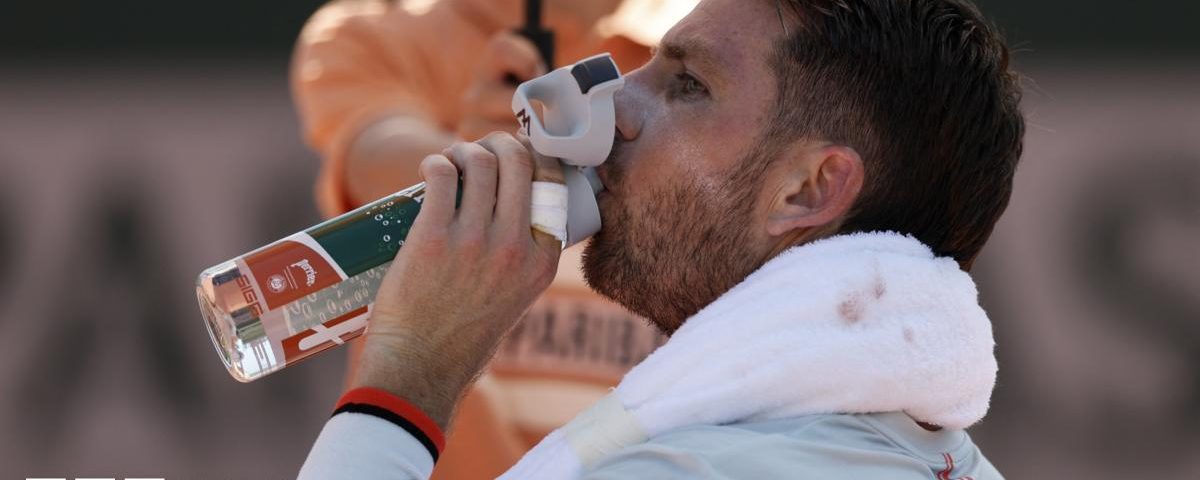
- Cameron Norrie's retirement at the French Open is a significant moment in his career.
- This marks the first time Norrie has withdrawn from a Grand Slam match due to injury.
- Injuries have become an increasing concern in professional tennis, affecting top players.
- Norrie's performance trends suggest he has struggled with consistency this season.
- The implications of his injury could affect his ATP ranking and prospects in future tournaments.
Grand slam Cameron Norrie, the British tennis star, faced a heartbreaking moment on May 26, 2026, as he retired injured during his first-round match at the French Open. This marked the first time in his career that he has had to withdraw from a Grand Slam event due to injury, a situation that is undoubtedly disappointing for both Norrie and his fans. Competing at Roland Garros, one of the most prestigious tournaments in the world, he was set to showcase his skills on the clay surface but instead found himself sidelined.
Grand slam: What You Need to Know
Norrie’s retirement raises questions about his physical condition and the long-term implications for his career. In recent years, injuries have plagued many top players, impacting their ATP rankings and overall performance on the court. The mental and physical toll of the sport, combined with the grueling schedule of the ATP tour, can often lead to adverse outcomes, as can be seen in Norrie’s situation.
In the past, Norrie has demonstrated resilience in his performances, particularly in high-stakes matches. His journey through the ATP tour has seen him achieve notable success, including reaching the top 10 in the ATP rankings and securing a title at the Delray Beach Open. However, this season has brought challenges, with inconsistent results and the burden of maintaining his ranking under pressure. As of now, Norrie’s ATP ranking could be at risk if he cannot return to form quickly, especially with several key tournaments on the horizon.
By the Numbers
To understand the impact of Norrie’s retirement, it’s essential to delve into some statistics that underscore his recent performance trends. Throughout his career, Norrie has maintained a win rate of approximately 60% in ATP matches, a solid figure that reflects his competitiveness on the tour. However, this season, his win rate has dipped to around 50%, which is concerning for a player of his caliber.
In Grand Slam events, Norrie’s match results have shown promise, with an average of reaching at least the third round in his previous outings. Yet, injuries like this one can severely disrupt a player’s momentum and limit their ability to secure critical points in the ATP rankings. Historically, players who retire from matches often face struggles in their next tournaments, as they need time to recover both physically and mentally.
Analysis & Key Takeaways
The clay surface at the French Open has always posed unique challenges, and Norrie’s style of play, which relies on stamina and baseline consistency, makes his physical health crucial. The demands of the clay season can exacerbate existing issues, leading to injuries that not only affect performance but also impact future match results.
Injuries in Tennis: A Growing Concern
Norrie’s situation reflects a broader trend in professional tennis, where injuries have become increasingly common among top players. Stars like Rafael Nadal and Dominic Thiem have faced similar issues in recent years, leading to missed tournaments and altered career trajectories. The intense physicality of the sport, combined with the pressure to perform at elite levels, places immense stress on athletes’ bodies.
As the ATP and WTA tours continue to evolve, governing bodies must consider the balance between the rigorous schedule and players’ health. The advent of longer seasons and more demanding tournaments may require a reevaluation of how players are prepared and supported throughout the year.
For Norrie, the focus now shifts to recovery and rehabilitation. His team will need to assess the injury’s severity and devise a plan to ensure he can return to the court ready to compete effectively. The upcoming hard court season will be crucial for him to regain confidence and improve his ATP ranking before heading into more significant events later in the year.
The road ahead for Norrie will be challenging, but it is also an opportunity for him to reflect on his training methods and overall approach to competing in the ATP tour. If he can successfully navigate this setback, he may emerge even stronger, ready to reclaim his position among the elite players in men’s tennis.
As we reflect on Cameron Norrie's unfortunate retirement at the French Open, it's clear that this moment serves as a pivotal point in his career. The psychological impact of such an early exit, especially in a Grand Slam setting, can influence a player's confidence moving forward. We believe that Norrie's ability to bounce back will not only depend on physical rehabilitation but also on mental fortitude—an aspect oftentimes overlooked in sports analysis.<br />
Moreover, this incident might push other players and stakeholders within the sport to advocate for a more player-centric approach in scheduling, particularly during the demanding clay season. If Norrie can channel the disappointment from this match into a renewed focus and determination, he could potentially emerge with a more robust game strategy. Overall, we remain optimistic about his future contributions to the ATP tour, hoping to see him back in action soon.
Source: Norrie retires injured at Grand Slam for first time
Sports News Plus is a news aggregator. We do not own or claim rights to any images, videos, or source content featured on this site. All images and media are the property of their respective original owners and publishers. Article content is independently written based on publicly available news sources, which are credited and linked throughout. Full disclosure →