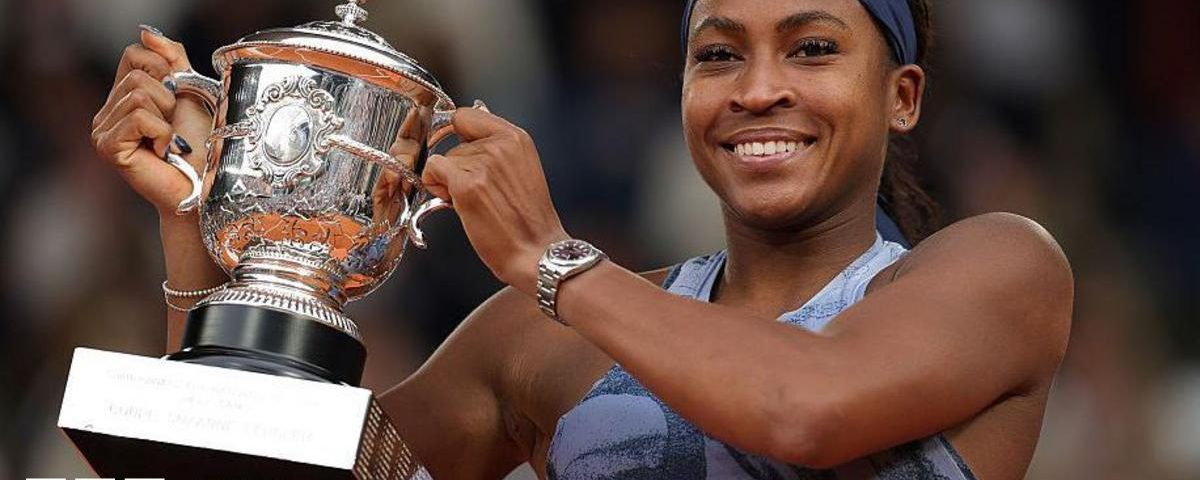
- The 2026 French Open marks the year's second Grand Slam tournament, taking place in Paris from May 25 to June 11.
- Historical win rates on clay courts highlight the dominance of specific players in this Grand Slam.
- The current ATP ranking system continues to evolve, affecting player seedings and match outcomes.
- Performance trends indicate that younger players are increasingly challenging established stars on the WTA tour.
- As the tournament progresses, match results will shape the landscape for future Grand Slam events.
The 2026 French Open is officially underway, with the world’s best tennis players descending upon Paris from May 25 to June 11. This prestigious Grand Slam tournament, held at the iconic Stade Roland Garros, features both the ATP and WTA tours, showcasing the very best in men’s and women’s tennis. The excitement builds as fans eagerly anticipate the thrilling matches that will soon unfold on the red clay, a surface known for its unique challenges and tactical depth.
French Open: What You Need to Know
As the tournament progresses, understanding the statistics and historical performances at the French Open will provide valuable context. Over the years, certain players have excelled on this surface, establishing remarkable win rates that underline their prowess. Notably, Rafael Nadal, often dubbed the “King of Clay,” boasts an astounding 93% win rate at the French Open, with 14 titles to his name. This level of dominance not only highlights Nadal’s skill but also sets a benchmark for emerging players aiming to leave their mark.
The ATP ranking system plays a crucial role in determining player seedings at the French Open. As of May 2026, Carlos Alcaraz holds the No. 1 spot thanks to his consistent performances across various tournaments. His rapid ascent to the top is indicative of a broader trend in men’s tennis, where younger players are increasingly challenging the established elite. With the shifting dynamics, the match results at the French Open could significantly influence the ATP rankings moving forward, especially as players aim to qualify for the year-end championships.
On the women’s side, the WTA tour sees several rising stars making waves. Iga Swiatek, currently ranked No. 1, has shown exceptional form leading into the tournament and is one of the favorites to defend her title. Statistical analysis reveals that Swiatek has a strong win rate of around 80% on clay, suggesting she thrives on this surface and may continue to dominate. However, with formidable competitors like Aryna Sabalenka and Elena Rybakina also in the mix, the women’s draw promises to deliver intense competition.
Analysis & Key Takeaways
By the Numbers:
Examining key statistics can provide deeper insights into player performances and historical trends at the French Open.
In terms of match results, the average number of games played in women’s singles matches at the French Open has been approximately 20 games per match over the past five years, with many matches extending into three sets. For men, the average tends to be slightly higher, reflecting the physical endurance required on clay. Historically, matches on this surface tend to be longer, with a significant emphasis on baseline rallies and strategic shot placement, which often leads to a higher number of break points compared to hard courts.
Another intriguing aspect of the French Open is the performance of seeded versus unseeded players. In recent years, around 75% of the top 16 seeds have reached at least the quarterfinals, demonstrating the importance of seedings in navigating the draw. However, upsets are not uncommon; the last few tournaments have seen unseeded players making deep runs, showcasing the unpredictable nature of tennis and the potential for surprises.
As we approach the later rounds of the tournament, fans will be keenly watching the stats to gauge player performances. The outcomes of these matches will not only influence the current standings but also set the stage for future Grand Slam events, as players continue to vie for points and prestige on the ATP and WTA tours.
Looking ahead, the implications of the French Open extend beyond just this tournament. The results will likely shape the conversation around who the favorites are for Wimbledon and the US Open later in the year. As the competition unfolds, we will see how these players handle the pressure of the Grand Slam stage and whether new champions will emerge.
As we observe the unfolding drama of the French Open, it’s clear that this tournament serves as a pivotal moment for many players. With the stakes so high, the psychological aspect of competing in a Grand Slam can’t be overstated. Players like Alcaraz and Swiatek, who have already tasted success on this stage, must now fend off the relentless challenges posed by their peers.<br />
Moreover, the increased parity in both the ATP and WTA tours suggests that this year's tournament could be rife with surprises. While we anticipate the usual suspects in the latter rounds, the potential for younger talents to upset the established order adds an intriguing layer to the narrative. We believe that the outcomes of the French Open will have lasting effects on the players' mentalities and strategies as they prepare for the next Grand Slam events.
Source: French Open – schedule, seedings and how to follow
Sports News Plus is a news aggregator. We do not own or claim rights to any images, videos, or source content featured on this site. All images and media are the property of their respective original owners and publishers. Article content is independently written based on publicly available news sources, which are credited and linked throughout. Full disclosure →