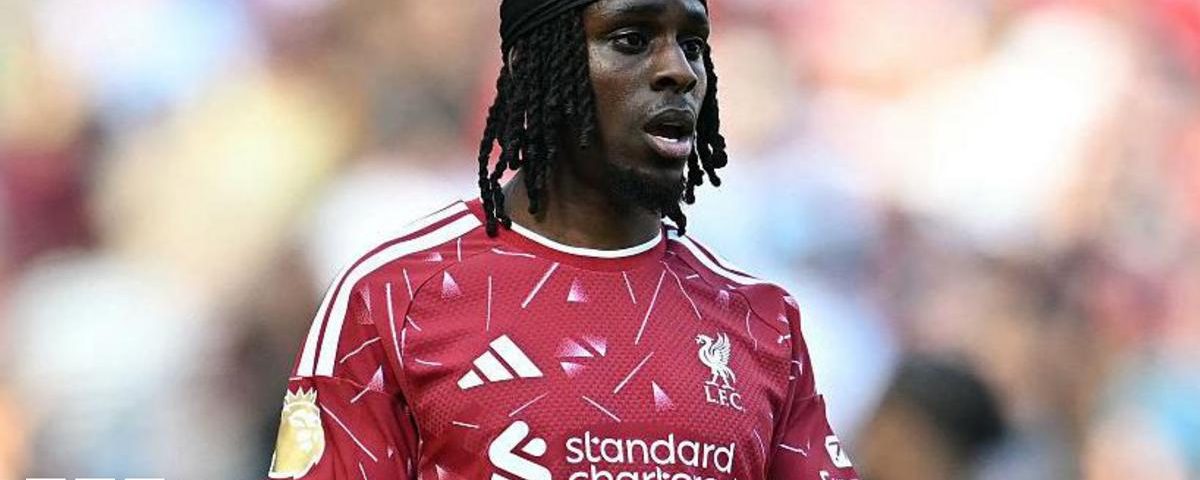
- Liverpool's Frimpong has been surprisingly omitted from the Netherlands World Cup squad.
- Ronald Koeman's selection leans heavily towards Premier League talent.
- The absence of Frimpong opens up discussions about tactical choices for the Dutch team.
- The Dutch squad's reliance on Premier League players could impact their style of play.
- This decision raises questions about Frimpong's future, both internationally and at club level.
World Cup squad In a surprising turn of events, Liverpool’s young talent, Jeremie Frimpong, has been left out of Ronald Koeman’s Netherlands squad for the upcoming 2026 World Cup. Announced on May 27, 2026, Koeman’s selection showcases a strong Premier League influence, with 15 out of the 26 players hailing from England’s top division. While the squad appears formidable, Frimpong’s omission raises questions about his future both at the international level and within Liverpool.
Frimpong, who had been enjoying a promising season with Liverpool, showcased his attacking prowess and defensive capabilities, making him a popular choice among fans and analysts alike. His exclusion from the World Cup squad is particularly noteworthy given the tactical versatility he brings, which could have strengthened the Dutch side in various formations.
The Dutch squad, rich in Premier League talent, reflects a strategic decision by Koeman to leverage the competitive edge and familiarity that players gain in one of the most challenging leagues in the world. As the squad prepares to face international competition, it will be interesting to observe how this Premier League-centric selection translates into their gameplay.
Tactical Breakdown: The Impact of Frimpong’s Absence
Frimpong’s absence from the World Cup squad creates a significant tactical gap for the Netherlands. Known for his ability to contribute both defensively and offensively, Frimpong often operates effectively in a wing-back role, providing pace and width. This versatility allows for fluid transitions between defensive and attacking phases, a key component in modern football, especially in knockout tournaments where adaptability can shape match results.
Without Frimpong, Koeman may opt for a more traditional setup, relying on established players like Denzel Dumfries to fill the right-back position. While Dumfries is an experienced option, his playing style is more conservative compared to Frimpong’s aggressive flanking runs. This could lead to a lack of width in attack, potentially stifling the creativity needed to break down organized defenses. The Dutch side may also have to adjust their formation to one that emphasizes central play, which could limit their goal-scoring opportunities.
Furthermore, the over-reliance on Premier League players may impact the squad’s cohesion and chemistry on the pitch. While these players are accustomed to high-pressure situations, the unique international landscape requires a different level of synergy and understanding. If the squad lacks the necessary connection, it could lead to missed opportunities in front of goal, ultimately affecting their chances of advancing deep into the tournament.
The Premier League Influence and Future Implications
The strong presence of Premier League players in the Dutch squad reflects a broader trend in international football, where top leagues increasingly influence national team selections. This reliance on players from England’s top flight may provide a competitive edge but also raises questions about the development of homegrown talent in other leagues.
For Frimpong, this exclusion could serve as a wake-up call. At just 23 years old, he has the potential to become a cornerstone for the Netherlands in future tournaments. His omission may prompt him to reassess his role at Liverpool and seek opportunities that allow him to showcase his skills on a larger stage, possibly leading to a future transfer or a more prominent role in Jurgen Klopp’s plans.
As the World Cup approaches, all eyes will be on how Koeman’s squad performs. The tactical choices made in Frimpong’s absence will be scrutinized, particularly in key matches where the Dutch will look to secure vital goals and results. Should the team struggle to find their rhythm, questions will arise about the decision-making process behind player selections and the balance of experience versus emerging talent.
In essence, Frimpong’s absence is a microcosm of the evolving landscape of international football, where club affiliations, tactical roles, and player development play crucial roles in shaping a national team’s prospects. The World Cup, with its high stakes, will serve as a litmus test for Koeman’s strategy and the effectiveness of a Premier League-dominated squad.
As we reflect on the implications of Frimpong's exclusion, it’s clear that this decision could reverberate beyond just the World Cup. We believe that this moment may serve as a pivotal turning point not only for Frimpong's career but for the tactical evolution of the Dutch national team. The balance between utilizing the best of the Premier League while fostering emerging talent from other leagues could redefine how national teams strategize for tournaments.<br />
Moreover, the spotlight now shifts to Koeman's ability to adapt his tactics without a player like Frimpong. If his chosen replacements fail to deliver, it may prompt a reevaluation of his selection criteria and an acknowledgment of the value that versatile, homegrown players can bring to the squad. As fans and analysts, we’ll be closely watching the dynamics within the Dutch team as they navigate the high-stakes environment of the World Cup.
Source: Liverpool's Frimpong left out of Dutch World Cup squad
Sports News Plus is a news aggregator. We do not own or claim rights to any images, videos, or source content featured on this site. All images and media are the property of their respective original owners and publishers. Article content is independently written based on publicly available news sources, which are credited and linked throughout. Full disclosure →