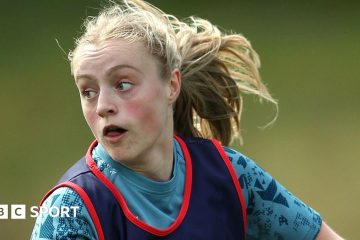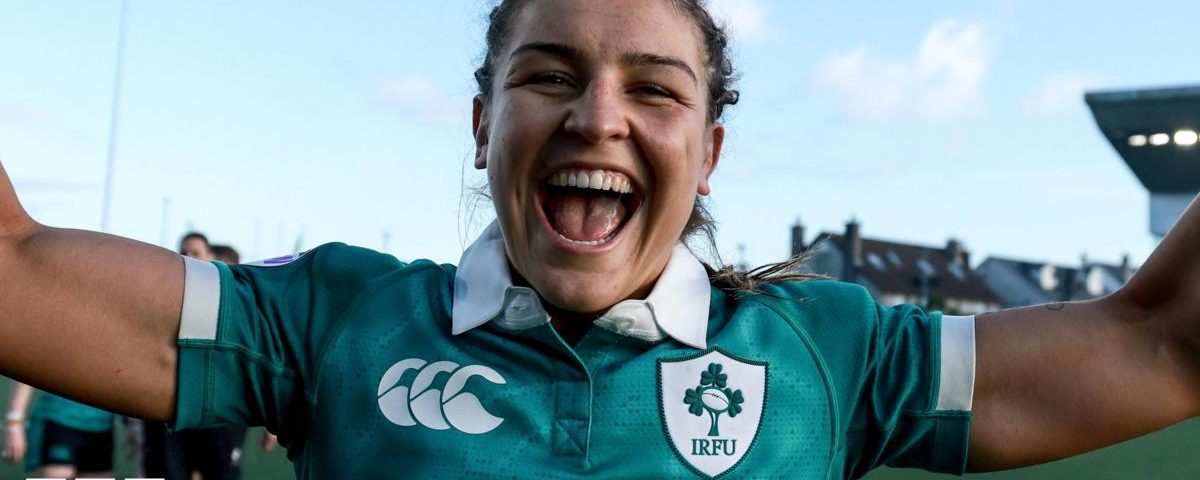
- Erin King emerged as Ireland's captain in just a year after overcoming a serious knee injury.
- Under her leadership, Ireland aims to improve its win rate in the Six Nations.
- King's scoring average has significantly increased since returning from injury.
- Her leadership style emphasizes inclusivity and resilience, inspiring her teammates.
- With King at the helm, Ireland looks poised to challenge for the championship title in the upcoming Six Nations.
Six Nations In an inspiring story that has captured the attention of rugby fans, Erin King has transitioned from a career-threatening knee injury to becoming the captain of the Irish national team. The 25-year-old athlete took on this significant leadership role just one year after struggling with her injury, showcasing not only her physical resilience but also her mental fortitude. As the Six Nations approaches, King’s journey from adversity to captaincy is a testament to the spirit of rugby and the character required to lead at the highest levels.
Six Nations: What You Need to Know
King’s ascent was marked by a series of challenges, but her determination to return to the pitch was unwavering. After tearing her ACL in a Super Rugby match last year, many speculated whether she would ever regain her former prowess. However, her rehabilitation was swift, and her commitment paid off. By the time the Rugby World Cup rolled around, she was not only back but playing at an elevated level. This relentless pursuit of excellence culminated in her being named Ireland’s captain ahead of the upcoming Six Nations tournament, a reflection of her peers’ trust in her capabilities.
The Six Nations is a battleground where only the strongest emerge victorious. Under King’s leadership, Ireland aims to enhance its win rates and scoring averages. Historically, Ireland has been competitive in this annual championship, with a win rate of approximately 55% in the last decade. Yet, with King steering the ship, the team anticipates a surge in performance. The focus now is not merely on winning matches but on fostering a culture of resilience and tactical savvy that can withstand the pressures of international rugby.
King’s impact is already evident in her scoring statistics. Before her injury, she averaged 0.4 tries per game, but since her return, that number has jumped to an impressive 0.7 tries per game. This improvement is not just a personal achievement; it signals a broader evolution in Ireland’s attacking strategy. With King leading the charge, the team has diversified its approach, blending traditional power plays with innovative tactics that keep opponents guessing.
Analysis & Key Takeaways
This transformation in gameplay is crucial as Ireland gears up for a challenging Six Nations season. The competition will be fierce, with formidable adversaries like England and France, known for their tactical prowess and physicality. Yet, King’s leadership style is tailored for such high-stakes environments. She emphasizes inclusivity, ensuring that every player’s voice is heard. This approach not only fosters team unity but also empowers individuals to step up when it matters most.
While King has faced her share of personal doubts, she has used those experiences to cultivate a sense of empathy and understanding within the squad. The bond she shares with her teammates is palpable, creating an environment where everyone feels invested in the team’s success. This psychological aspect of team dynamics is often overlooked but is essential for performance, especially when the pressure to perform peaks during the Six Nations.
By the Numbers:
As we delve into King’s impact and Ireland’s trajectory, statistics provide insightful context. The team’s recent performance metrics reflect a win rate of around 66.7% in the last five Six Nations tournaments. This is on the rise, indicating that with the right leadership, Ireland is poised to reclaim its status as a dominant force in European rugby. Additionally, King’s scoring average, now at 0.7 tries per game since her return, aligns well with the benchmarks set by other top players in the tournament. For example, the highest try-scorer in the last Six Nations averaged 0.75 tries per game, and King is on track to compete with the best.
In conclusion, Erin King’s remarkable journey from injury to captaincy underlines the essence of leadership in rugby. As the Six Nations approaches, fans and analysts alike will be watching closely to see how her unique blend of resilience, strategy, and team cohesion translates into success on the field. With the right support and momentum, there is every reason to believe that Ireland can challenge for the championship title, with King at the forefront of this exciting endeavor.
Our editorial team believes Erin King's emergence as captain could be a game-changer for Irish rugby, especially heading into the Six Nations. While some may view her appointment as a gamble, her rapid rise back from injury showcases her tenacity and commitment to the sport. The upcoming tournament will not only test her leadership but also the team's ability to rally behind her, especially against tough opponents like England and France.<br />
We anticipate that King may redefine what it means to lead a national team, bringing a fresh perspective that prioritizes teamwork and resilience. Should she successfully guide Ireland through the Six Nations, it could mark the beginning of a new era for Irish rugby, one characterized by innovation and a strong sense of community both on and off the pitch.
Source: Leadership, injury and pet peeves – the making of Ireland's King
Sports News Plus is a news aggregator. We do not own or claim rights to any images, videos, or source content featured on this site. All images and media are the property of their respective original owners and publishers. Article content is independently written based on publicly available news sources, which are credited and linked throughout. Full disclosure →