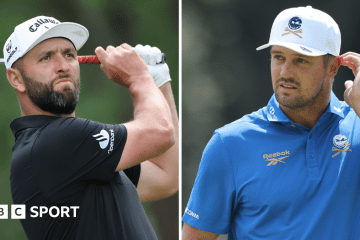
- Saudi Arabia's withdrawal from LIV Golf signals a shift in sports investment strategy.
- The decision could impact the dynamics of the PGA Tour and its major championships.
- Historical precedents show that financial backing can both uplift and dismantle leagues.
- The current situation echoes past controversies in professional golf.
- The future of golf may hinge on how established tours adapt to these changes.
In a significant turn of events, Saudi Arabia has announced its decision to withdraw multi-billion dollar backing from LIV Golf, the controversial professional golf league that aimed to reshape the sport. This decision emerged on May 1, 2026, and it raises critical questions about the future of both LIV Golf and other sporting investments within the kingdom. As the golf world watches closely, the implications for the PGA Tour, major championships, and the broader landscape of professional golf are profound.
LIV Golf: What You Need to Know
The LIV Golf venture was launched with grand ambitions, seeking not only to challenge the traditional PGA Tour but to redefine the golf industry through multi-million dollar contracts and innovative tournament formats. However, the unanticipated withdrawal of funding suggests an unraveling of this ambitious project, leaving many to wonder about the future of those who had aligned themselves with this alternative tour.
Historically, the world of golf has seen its share of upheaval, particularly when financial interests collide with traditional values. A notable comparison can be drawn to the early 1990s when the PGA Tour faced the emergence of the World Golf Tour. Funded by a group of ambitious investors, this rival league aimed to capture the attention of the world’s best golfers. Ultimately, the PGA Tour’s strong adherence to its traditions and established structure prevailed, leading to the collapse of the World Golf Tour.
This instance serves as a reminder that while financial backing can introduce exciting new possibilities, it can also lead to instability. As we consider past events, it is clear that the golf community has a tendency to rally around established institutions, particularly when faced with disruption. The PGA Tour has built its legacy on tradition, and historical precedents suggest that it may once again emerge stronger from this crisis.
Analysis & Key Takeaways
Another comparable moment occurred in the late 1990s when the formation of the European Tour was met with skepticism. Critics questioned its viability, but the tour ultimately flourished, adapting to the changing landscape and fostering international talent. This historical context raises intriguing questions about the potential trajectory of LIV Golf and other alternative leagues. Will they adapt and evolve, or will they face the same fate as their predecessors?
The immediate fallout from Saudi Arabia’s withdrawal could be felt across the golf landscape, particularly on the PGA Tour. Players who had jumped ship to join LIV Golf might now reevaluate their decisions as the allure of guaranteed prize money wanes. The PGA Tour has an opportunity to reinforce its role as the premier professional league by showcasing its commitment to competition, transparency, and fan engagement.
As we look at the leaderboard of professional golf, the dynamics are shifting. The players who remain loyal to the PGA Tour may find themselves in a more advantageous position, particularly during major championships. With the LIV Golf threat potentially diminished, the established leagues may see a resurgence in fan support and sponsorship opportunities, further solidifying their status in the sport.
Looking ahead, the lessons from history suggest that golf’s landscape is resilient. Should the PGA Tour capitalize on this moment, it can enhance its offerings and continue to attract top talent. Conversely, if LIV Golf can adapt and find a new model that resonates with fans and players alike, it may yet have a chance to carve out its niche in the competitive world of professional golf.
In conclusion, the implications of Saudi Arabia’s withdrawal from LIV Golf extend far beyond the immediate financial ramifications. This pivotal moment serves as a reminder of golf’s historical resilience and its ability to adapt in the face of challenges. The coming months will be critical for the PGA Tour as it navigates these changes, and the future of both the traditional and alternative leagues remains uncertain.
We believe that the withdrawal of Saudi Arabia from LIV Golf represents not just a financial decision, but a pivotal moment in the evolution of professional golf. While LIV Golf initially attracted attention with its bold vision and deep pockets, it appears that its reliance on external funding has made it vulnerable to shifts in investor confidence. This could lead to a broader realignment in the golf world, where the PGA Tour may reclaim its dominance by reinforcing its traditional values and fostering player loyalty.<br />
Furthermore, we can't ignore the potential ripple effects this decision may have on the global sports landscape. Saudi Arabia's push into sports, from golf to soccer, was part of a larger strategy to enhance its international image. The backing of LIV Golf was a significant aspect of this plan, and its unraveling might signify a retreat from aggressive sports investments. As we watch the developments unfold, we must consider how this may reshape not only golf but also the future of sports sponsorship and investment on a global scale.
Source: 'LIV fate a warning' – is Saudi Arabia's sports revolution unravelling?
Sports News Plus is a news aggregator. We do not own or claim rights to any images, videos, or source content featured on this site. All images and media are the property of their respective original owners and publishers. Article content is independently written based on publicly available news sources, which are credited and linked throughout. Full disclosure →