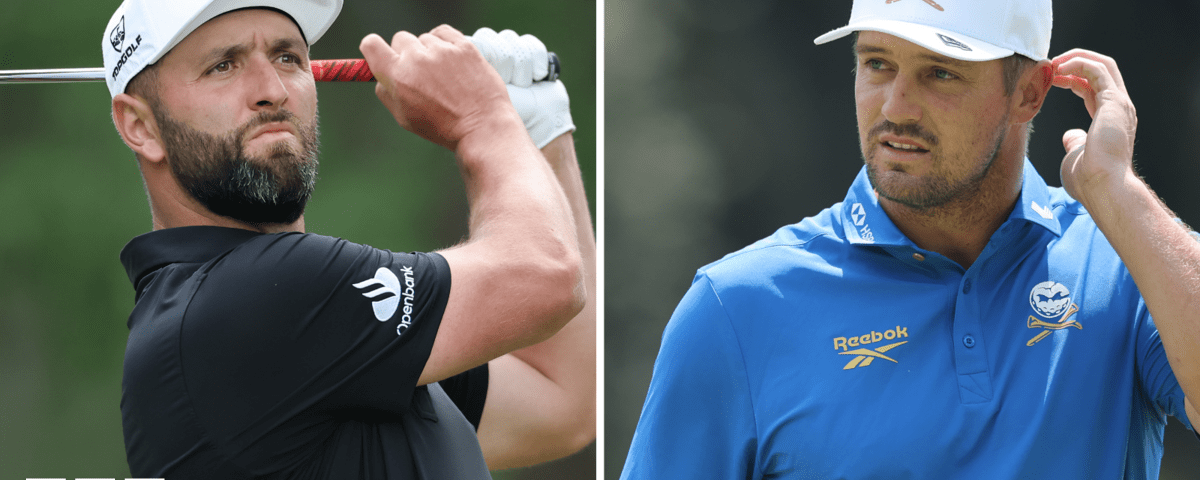
- Jon Rahm and Bryson DeChambeau are at a crossroads in their careers amidst LIV Golf uncertainties.
- The LIV tour has attracted top talent but faces challenges in sustainability and competition.
- Win rates and scoring averages suggest fluctuating performances among LIV players compared to the PGA Tour.
- Major championships continue to be a crucial benchmark for player success and legacy.
- The future landscape of professional golf may be redefined as players navigate between tours.
In the ever-evolving world of professional golf, the spotlight is once again on two of the sport’s brightest stars: Jon Rahm and Bryson DeChambeau. As the LIV Golf series continues to make waves, questions surrounding the futures of these prominent players have become increasingly pertinent. With the latest developments reported on April 30, 2026, both Rahm and DeChambeau find themselves at a pivotal juncture, where their next moves could significantly impact their legacies and the trajectory of the LIV tour.
LIV Golf: What You Need to Know
The LIV tour, which has attracted a host of elite golfers with its lucrative contracts and unconventional formats, is now facing scrutiny regarding its sustainability and competitive viability. While it initially garnered attention with promises of reshaping the sport, the reality of maintaining a robust competitive environment is proving to be more complex than anticipated. For players like Rahm and DeChambeau, who have historically excelled on the PGA Tour, the transition to this new regime poses unique challenges.
As the LIV tour continues to evolve, it remains crucial to consider performance metrics that define success in golf. Traditionalists often look towards the PGA Tour’s benchmarks, where historical records and player statistics offer a comprehensive view of a golfer’s capabilities. For instance, Jon Rahm has a notable career win rate of approximately 15.5% on the PGA Tour, which places him among the top echelon of players. In contrast, DeChambeau’s win rate stands at about 8.1%, illustrating a different trajectory.
However, LIV Golf has introduced a new dynamic. Players in this league compete in a format that sometimes differs from the traditional 72-hole stroke play format common on the PGA Tour. The LIV tournaments often feature shorter events and unique team competitions, which can influence scoring averages and win rates. Therefore, while Rahm and DeChambeau’s performances on the LIV stage will be scrutinized, they must also adapt to a shifting paradigm that may not align with their historical performances.
One of the most critical elements in evaluating a golfer’s career is their performance in major championships. These prestigious events remain the gold standard, influencing how players are remembered long after they hang up their spikes. Jon Rahm, for instance, secured his first major at the 2021 U.S. Open, a moment that solidified his reputation as one of the premier talents in golf. Bryson DeChambeau, too, claimed a major title at the 2020 U.S. Open, marking a significant achievement in his career.
As both players navigate their futures in LIV Golf, the question arises: will participation in this tour affect their chances in future major championships? The rigorous competition and traditional formats of majors may pose challenges for LIV players, who have been accustomed to a different style of play. The stakes are high, as these tournaments not only contribute to a player’s legacy but also to their financial standing through sponsorships and endorsements.
Analysis & Key Takeaways
To provide a clearer picture of the current competitive landscape, let’s delve into some numbers that illustrate the situation. As of the latest season, LIV Golf’s format has attracted a plethora of past champions, but how do these players stack up against their PGA counterparts?
– Win Rates: According to historical data, players with a win rate above 15% on the PGA Tour typically secure their legacies, while those with lower rates face questions about their long-term viability. Rahm’s 15.5% win rate is indicative of his elite status, while DeChambeau’s 8.1% suggests he may need to elevate his game further.
– Scoring Averages: On the PGA Tour, the average scoring leader finishes around 69.5 strokes per round. In LIV events, the shorter formats may lead to lower averages, but players must still adapt to maintain competitiveness in traditional settings.
– Major Championship Performance: Historically, the top 10 players in major championship wins often have at least three titles. Rahm and DeChambeau, with one each, have room to grow but must contend with the challenge of balancing LIV commitments with aspirations in these prestigious events.
Ultimately, as Rahm and DeChambeau navigate the uncertain waters of LIV Golf, their paths will serve not only as a reflection of their individual talents but also as a barometer for the tour’s sustainability. The decisions they make in the coming months will undoubtedly influence the future of professional golf, especially as more players weigh the benefits of joining LIV against the prestige of the PGA Tour.
As we assess the current golf landscape, it is clear that the choices made by high-profile players like Rahm and DeChambeau could have lasting implications. While LIV Golf offers lucrative contracts, the risk of losing competitive edge in traditional formats cannot be overlooked. We must ask ourselves if the financial allure will outweigh the historical prestige associated with the PGA Tour.<br />
From our perspective, the future may lie in a hybrid model where players can compete across both tours, thereby enriching their experiences and skill sets. This could lead to a more exciting and competitive environment for fans and players alike. The question remains whether the LIV tour can cultivate an ecosystem that attracts top talent while maintaining a standard of excellence that reflects the rich history of golf.
Source: What now for Rahm, DeChambeau and LIV's biggest names?
Sports News Plus is a news aggregator. We do not own or claim rights to any images, videos, or source content featured on this site. All images and media are the property of their respective original owners and publishers. Article content is independently written based on publicly available news sources, which are credited and linked throughout. Full disclosure →