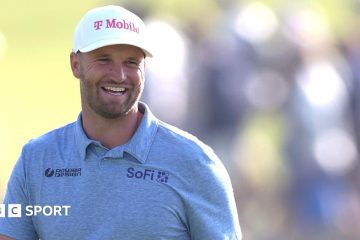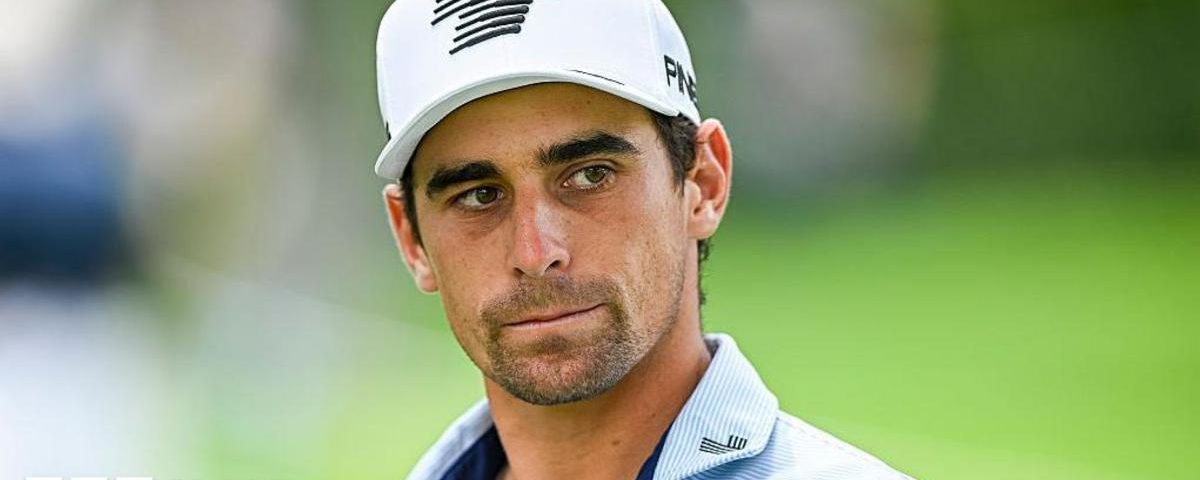
- Joaquin Niemann is the first golfer penalized under new PGA Tour conduct rules.
- The penalty occurred during a major championship event, raising awareness of player behavior.
- Historical precedents exist for penalties affecting tournament outcomes in golf.
- Niemann expressed regret over the incident, showing the pressure players face on the course.
- The new rules may lead to a stricter enforcement of conduct across future PGA Tour events.
In a surprising turn of events during the latest major championship, Joaquin Niemann made history by becoming the first golfer to receive a two-shot penalty for violating the PGA Tour’s newly implemented code of conduct. The incident occurred on June 19, 2026, during a critical moment, as Niemann threw his club in frustration after a missed putt, leading to a significant shift on the leaderboard.
This landmark ruling has sparked discussions across the golf community regarding player behavior and the PGA Tour’s commitment to promoting sportsmanship. Niemann, while acknowledging the penalty, stated that he is “not proud” to be the first to face such consequences under the new regulations. This incident not only highlights the pressure players face during major championships but also serves as a pivotal moment in the evolution of professional golf.
Historical Context: A Look Back at Golf’s Penalty Moments
To understand the significance of Niemann’s penalty, we must delve into the history of golf and examine similar moments where player conduct altered tournament dynamics. One notable instance occurred during the 1999 U.S. Open when a rules infraction by Sergio Garcia led to a controversial debate about sportsmanship. Garcia’s penalty came during a crucial moment, much like Niemann’s, and it sparked discussions about the psychological pressures players endure in high-stakes environments.
Another historical parallel can be drawn from the infamous “Ballgate” incident involving Patrick Reed in 2019. Reed faced scrutiny over an embedded ball ruling and subsequent penalties that ultimately impacted his standing in the tournament. Both incidents underscore the perennial challenges of balancing the integrity of the game with the players’ emotional responses on the course. History suggests that penalties, especially in major championships, can have lasting impacts, shaping not only the tournament’s outcome but also the reputation of the players involved.
Looking ahead, Niemann’s incident may signal a new era of enforcement and player accountability in professional golf. As the PGA Tour emphasizes its code of conduct, we may witness a ripple effect throughout the sport, encouraging players to maintain composure even in challenging situations. The enforcement of these rules could lead to more disciplined play and a focus on the spirit of the game, which is essential for the sport’s growth.
The Broader Implications for the PGA Tour
The introduction of the new code of conduct in 2026 reflects a broader trend within professional sports emphasizing player behavior and sportsmanship. The PGA Tour aims to uphold its reputation and appeal to a younger generation of fans who value integrity and respect within athletics. Niemann’s penalty serves as a stark reminder of the consequences that can arise from losing control on the course, reinforcing the importance of mental fortitude in the game.
As we analyze the potential outcomes of Niemann’s penalty, we must consider how this moment could influence future major championships. Will players adopt a more restrained approach in their expressions of frustration? Or will the pressure of the competition drive them to act impulsively, risking penalties that could impact their standings?
This incident opens the door for discussions about the mental health of professional golfers. The pressures of the PGA Tour can be immense, and the added scrutiny on player conduct may require better support systems for athletes. With a focus on mental resilience, the Tour may need to prioritize well-being alongside competitive performance.
In conclusion, Joaquin Niemann’s two-shot penalty is not just a singular event; it is a reflection of the evolving standards within the PGA Tour and a reminder of the historical precedence for penalties in professional golf. As players navigate the challenges of major championships, the lessons learned from this incident could pave the way for a more respectful and disciplined approach to the game.
We find ourselves at a crossroads in professional golf, where the balance between competitive spirit and sportsmanship is increasingly scrutinized. Niemann's penalty serves as a crucial reminder that actions have consequences, particularly in the high-stakes environment of major championships. As fans and analysts, we must consider how this incident might reshape player conduct on the PGA Tour going forward.<br />
In our view, the new code of conduct could instigate a cultural shift in how golfers approach their mental game. With stricter enforcement, we may see a new generation of players who prioritize composure as much as skill. The PGA Tour's initiative to regulate behavior could ultimately lead to a more respectful atmosphere on the course, encouraging sportsmanship and camaraderie among players. As we move forward, it will be fascinating to observe how Niemann's moment in the spotlight influences both player behavior and the broader narrative of professional golf.
Source: Niemann first to get two-shot penalty for throwing club
Sports News Plus is a news aggregator. We do not own or claim rights to any images, videos, or source content featured on this site. All images and media are the property of their respective original owners and publishers. Article content is independently written based on publicly available news sources, which are credited and linked throughout. Full disclosure →