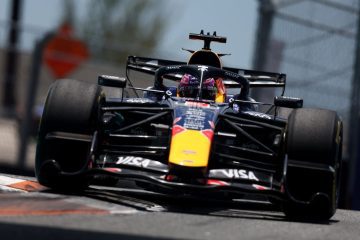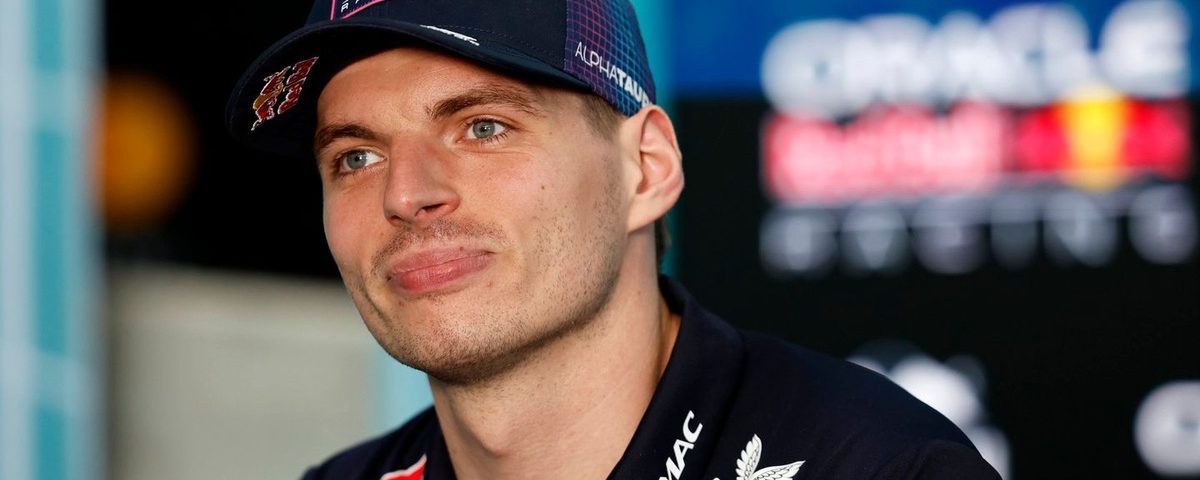
- Max Verstappen has voiced concerns over the 2026 F1 regulations.
- The new rules could shift the competitive landscape in the championship.
- Upcoming race results may hinge on how teams adapt to the changes.
- Fan expectations are likely to evolve as the season unfolds.
- Verstappen's deliberation could influence team dynamics and driver transfers.
Max Verstappen, the four-time Formula 1 world champion, has recently announced that he will take time to consider his future in the sport. This declaration comes on the heels of significant changes introduced by the 2026 regulations, which have already sparked intense debate among drivers, teams, and fans alike. These new rules, aimed at enhancing sustainability, have led to a power unit design that relies heavily on electrical energy. Verstappen’s criticism of this shift, labeling it “anti-racing” and akin to “Formula E on steroids,” raises questions not only about his own career trajectory but also about the broader implications for the Formula 1 championship.
Formula 1: What You Need to Know
As the 2026 season approaches, the impact of these changes is expected to reverberate throughout the paddock. Teams will need to adapt quickly to the new technical requirements, which could lead to a reshuffling of competitive standings. The upcoming race calendar, including the prestigious Monaco Grand Prix and the iconic British Grand Prix, will likely see teams testing their mettle against one another in this new environment. How well each team navigates these regulations will play a crucial role in determining their performance and race results.
The inherent uncertainties of the new regulations could also affect driver line-ups. If Verstappen decides to step back, the market for available drivers could surge. It’s not just about Verstappen; his potential departure could trigger a domino effect, reshaping team strategies and driver contracts. Teams that have been eyeing Verstappen as a potential signing may have to pivot quickly, depending on his final decision.
In the midst of all this, fan expectations are also set to evolve. As the 2026 regulations take hold, supporters will be keenly observing how the racing style shifts. Will the emphasis on electrical power lead to more strategic racing, or will it dampen the excitement that comes with traditional F1 power dynamics? Fans who are accustomed to the sound and speed of combustion engines might find themselves longing for the past, while others may embrace this new chapter in motorsport.
Analysis & Key Takeaways
What happens next is critical not just for Verstappen but for the entire sport. The championship’s competitive landscape is poised for a shake-up. Teams that adapt quickly to the regulatory changes will have a significant advantage, potentially leading to dramatic race results as the season progresses. The qualifying rounds will become even more pivotal, as drivers and engineers alike seek to maximize performance under the new rules.
As we look forward to the 2026 season, the implications of Verstappen’s contemplation about his future cannot be overstated. His decision will resonate not only within Red Bull Racing but also across the paddock. If he chooses to stay, he may become a stalwart leader in navigating the complexities of the new regulations, shaping the future of Formula 1 racing. Conversely, if he opts for a change, it could herald a new era for the championship, filled with fresh rivalries and challenges.
Ultimately, the upcoming races will serve as a testing ground for the new regulations. Each race result will be scrutinized, not only for the immediate competitive implications but also for how they reflect the adjustments teams are making in response to the new rules. The championship standings could shift dramatically as teams vie for dominance in this altered landscape, and the ripple effects of these changes will be felt far beyond the track.
As we await the unfolding drama of the season, fans and analysts alike are left to ponder the unpredictable nature of the sport. The uncertainty surrounding Verstappen adds an additional layer of intrigue to an already compelling narrative. With so much at stake, the world of Formula 1 is bracing for an exhilarating ride.
From our perspective at the SNP editorial desk, Verstappen's indecision undoubtedly signals a pivotal moment in Formula 1 history. His outspoken criticism of the new regulations reflects a broader concern among drivers regarding the future direction of the sport. If Verstappen, a beloved figure in F1, were to step back, it could disillusion fans who cherish the sport's historical roots. This situation presents a unique opportunity for emerging talents to rise to the occasion, potentially reshaping the face of the championship as we know it.<br />
Moreover, we're curious about how teams will respond strategically to these regulatory shifts. The adaptation process will not only test the engineering capabilities of each team but also their overall management and driver relations. We could see unexpected partnerships forming or seasoned drivers making way for the next generation. Ultimately, the ripple effects of Verstappen's contemplation could usher in a new era in Formula 1, making this an exciting time for fans who thrive on the sport's unpredictability.
Source: Verstappen will 'take time' to consider his F1 future
Sports News Plus is a news aggregator. We do not own or claim rights to any images, videos, or source content featured on this site. All images and media are the property of their respective original owners and publishers. Article content is independently written based on publicly available news sources, which are credited and linked throughout. Full disclosure →