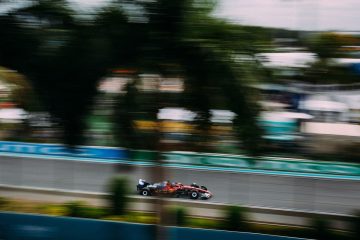
- F1 is planning to expand its presence in the U.S. with more races.
- CEO Stefano Domenicali cites growing interest and commercial potential.
- Fans express mixed feelings about the implications for their teams.
- The potential expansion raises questions about race results and team performance.
- Increased U.S. races could shift the championship dynamics in future seasons.
Formula 1 continues to gain traction in the United States, and its CEO, Stefano Domenicali, recently emphasized that the series is just beginning to tap into its commercial potential in the country. Speaking at the Autosport Business Exchange in Miami on May 1, 2026, Domenicali revealed that there is keen interest in hosting more than the currently scheduled three races—Miami, Austin, and Las Vegas. This focus on expansion comes at a time when F1’s popularity is surging, creating a buzz around the championship and what it means for the future of motorsport in America.
Formula 1: What You Need to Know
The announcement is part of a broader strategy to enhance F1’s footprint in North America, a market that has historically been challenging for the sport. With recent successful events, particularly the Miami Grand Prix, Domenicali believes more American venues could be in the cards. This potential growth is not only exciting for the F1 organization but also for fans who have seen the sport grow in popularity and visibility over the past few years.
Social media reactions have been mixed since Domenicali’s comments. Some fans are thrilled about the prospect of more races, envisioning a future where they can attend multiple events across the country. Others, however, are raising concerns about the implications of adding more races to the calendar. With the current lineup of races, fans often debate the scheduling and its impact on their favorite teams’ performance. The potential for more races could complicate logistics for teams and drivers, who already face a grueling schedule.
The excitement surrounding F1 in the U.S. isn’t just about the number of races. Many fans are discussing how this expansion might affect championship dynamics. For instance, teams like Mercedes and Red Bull, which have dominated recent race results, may face different challenges with more American races, particularly if they need to adapt to new tracks or conditions. Conversely, U.S.-based teams, such as Haas F1, could find themselves with a competitive edge on familiar soil, potentially altering the championship landscape.
Analysis & Key Takeaways
Moreover, the conversation on social media has sparked debates over the quality of racing in the U.S. Fans are questioning whether expanding the calendar will dilute the championship or enhance its appeal. Some seasoned followers of the sport express concern that adding more races might lead to less competitive balance, with larger teams overpowering smaller ones even more. This sentiment is particularly relevant in discussions about qualifying, where the performance of teams can significantly vary from circuit to circuit.
As the F1 championship continues to evolve, it will be vital to monitor how these developments affect race outcomes and team standings. The growing interest in American venues suggests a shift in focus toward a more diverse race lineup, but it also raises questions about logistics, race results, and the overall health of the championship. As fans voice their opinions, the ongoing dialogue will be instrumental in shaping the future of Formula 1 in the U.S.
The prospect of more races does not only signify a business opportunity; it represents a cultural shift for a sport that has historically struggled to gain a foothold in the American market. This shift could inspire a new generation of fans, increasing viewership and creating new sponsorship opportunities. Yet, F1 must tread carefully to balance the excitement of expansion with the integrity and competitiveness of the championship.
In summary, the push for further expansion into the U.S. market reflects a broader ambition to solidify Formula 1’s status as a global motorsport phenomenon. The reactions from fans and stakeholders will undoubtedly play a crucial role in determining how this strategy unfolds and its impact on upcoming seasons.
From our perspective, the potential for more Formula 1 races in the U.S. is an exciting development that could reshape the championship in significant ways. While the business aspect is enticing for the sport's growth, we must consider the ramifications on team dynamics and race results. As we've seen in other sports, expanding the season can lead to fatigue and performance discrepancies among teams.<br />
Moreover, it's essential to recognize the cultural implications of expanding the F1 presence in America. The sport has the opportunity to attract a diverse fanbase, but it must also ensure that the racing remains competitive and engaging. Balancing commercial success with the essence of motorsport will be critical as Formula 1 navigates this ambitious journey.
Source: Domenicali: F1 is far from finished with US expansion
Sports News Plus is a news aggregator. We do not own or claim rights to any images, videos, or source content featured on this site. All images and media are the property of their respective original owners and publishers. Article content is independently written based on publicly available news sources, which are credited and linked throughout. Full disclosure →