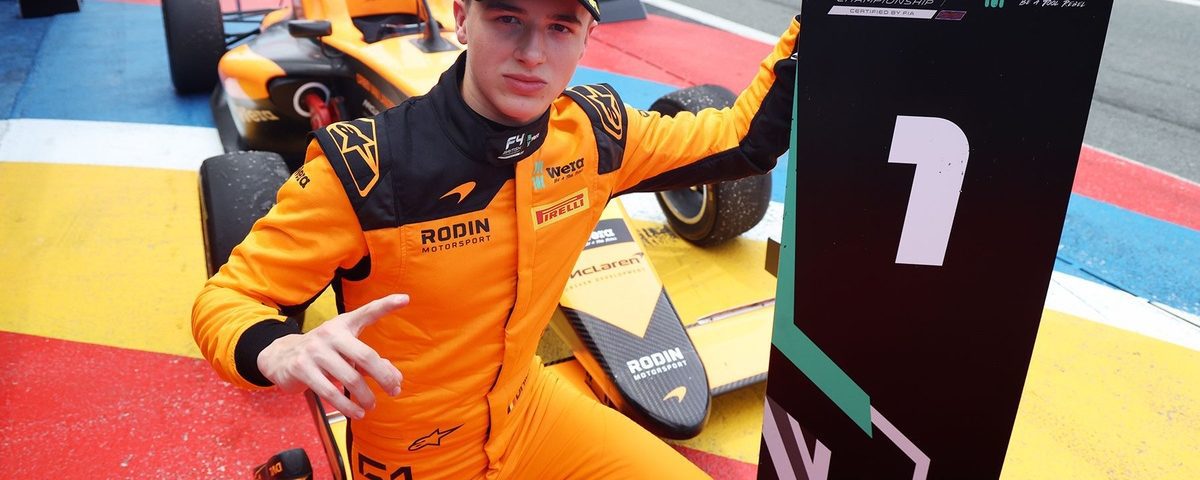
- Max Verstappen has partnered with Belgian driver Dries Van Langendonck, a McLaren junior talent.
- This collaboration highlights Verstappen's commitment to nurturing future talent in Formula 1.
- Van Langendonck's progress in British Formula 4 positions him as a promising prospect.
- Verstappen’s connection with McLaren may influence future team dynamics and driver development.
- This partnership could reshape the landscape for young drivers aspiring to enter Formula 1.
On July 17, 2026, Dutch Formula 1 driver Max Verstappen announced a partnership with Dries Van Langendonck, a rising star in British Formula 4 and a member of the McLaren junior program. This significant relationship comes in a period where Verstappen has been heavily linked with a potential move to McLaren, adding layers of intrigue to both his career and that of the young Belgian driver. The announcement was made during a press conference, where Verstappen expressed his eagerness to mentor Van Langendonck, emphasizing the importance of fostering new talent in the sport.
This partnership brings to light the broader dynamics within Formula 1’s talent development landscape. Verstappen, a two-time world champion, has established himself as one of the most formidable competitors in the sport. His involvement with Van Langendonck not only signals a personal commitment to the next generation but also positions him as a key player in the ongoing evolution of driver academies. As teams like McLaren aim to secure their future by investing in young talent, Verstappen’s mentorship could have lasting implications for both drivers.
The collaboration between Verstappen and Van Langendonck is noteworthy for several reasons. Firstly, it illustrates the trend of established drivers taking on mentorship roles, which can significantly impact a junior driver’s development. With Verstappen’s extensive experience and insight into the Formula 1 machinery, Van Langendonck stands to gain invaluable lessons that could accelerate his journey up the racing ranks.
The Tactical Breakdown: A Strategic Shift in Formula 1
In analyzing the strategic dimensions of this partnership, we must consider how it could reshape the competitive landscape of Formula 1. Verstappen’s involvement may not only enhance Van Langendonck’s skills but also alter the recruitment strategies of top teams. As the sport evolves, teams are increasingly looking for drivers who possess not only speed but also the mental fortitude to handle the pressures of Formula 1.
Van Langendonck’s current campaign in British Formula 4 serves as a critical proving ground. It allows him to refine his skills in a competitive environment while being under the watchful eye of Verstappen. This connection could lead to a more tailored approach to his training and race strategy. By leveraging Verstappen’s expertise, Van Langendonck may learn to navigate the complexities of qualifying sessions, race tactics, and championship pressure with greater efficacy.
Moreover, Verstappen’s potential link to McLaren adds an additional layer of strategy. If Verstappen were to join McLaren in the future, having a talented driver like Van Langendonck already in their system could provide a seamless transition and a robust support system. This could cement McLaren’s position not just as a competitive team but as a breeding ground for future champions.
The Future of Driver Development in Formula 1
This partnership serves as a potential blueprint for how established drivers can contribute to the future of the sport. With Formula 1’s increasing focus on youth and development, Verstappen’s role as a mentor could set a precedent for other drivers to follow suit. The ripple effects of such mentorship can lead to a more competitive environment, where young talents are better prepared for the rigors of top-tier racing.
As we look to the future, the implications of Verstappen’s partnership with Van Langendonck could influence the very fabric of Formula 1. With McLaren’s rich history and commitment to nurturing talent, the combination of Verstappen’s experience and Van Langendonck’s ambition may deliver exciting race results in the coming years. The championship landscape could witness a shift as these young talents emerge, challenging established drivers and teams.
In conclusion, Verstappen’s partnership with Van Langendonck manifests a broader trend in Formula 1 towards nurturing young talent. As the sport continues to evolve, the importance of mentorship and development will only grow, shaping the future champions of Formula 1.
From our perspective, the partnership between Max Verstappen and Dries Van Langendonck is indicative of a larger trend within Formula 1, where experienced drivers are stepping up to mentor the next generation. This type of collaboration can significantly elevate a young driver’s trajectory and can serve as a strategic advantage for teams looking to cultivate talent. As we analyze this, it becomes clear that such relationships could reshape existing team dynamics, particularly if Verstappen eventually transitions to McLaren.<br />
Moreover, we believe this move could signal a potential shift in how teams approach driver development. The emphasis on mentorship may lead to more structured programs that integrate competitive racing experience with direct guidance from seasoned professionals. This could enhance the performance of junior drivers, leading to more competitive seasons and possibly a new wave of racing stars emerging from the McLaren ranks.
Source: Why Verstappen has signed a McLaren F1 junior
Sports News Plus is a news aggregator. We do not own or claim rights to any images, videos, or source content featured on this site. All images and media are the property of their respective original owners and publishers. Article content is independently written based on publicly available news sources, which are credited and linked throughout. Full disclosure →