- Pierre Gasly's crash in FP2 at the Belgian Grand Prix raises concerns for Alpine's championship ambitions.
- The incident underscores the unpredictable nature of Formula 1 racing, especially in high-pressure situations.
- Gasly's performance has been inconsistent, which could hinder Alpine's overall race results.
- Alpine's strategy heading into qualifying may be affected by this setback.
- The crash highlights the importance of driver confidence and vehicle stability as the season progresses.
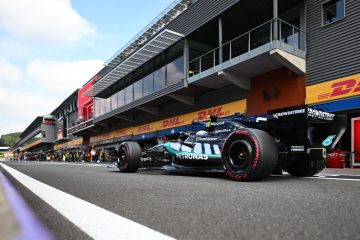
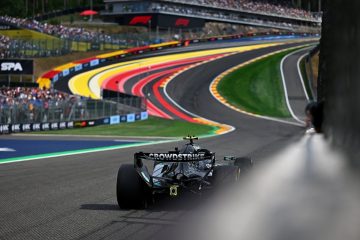
Pierre Gasly’s crash during Free Practice 2 at the Belgian Grand Prix on July 17, 2026, has reignited discussions about Alpine’s competitive edge in the Formula 1 championship. The incident, which occurred in the closing moments of the session, saw Gasly experience a snap of oversteer at Les Fagnes, leading him to collide with the outside barrier. The crash not only red-flagged the session but also raised questions about the team’s preparedness ahead of a crucial qualifying round.
Formula 1: What You Need to Know
Historically, the Belgian Grand Prix has been a pivotal event in the Formula 1 calendar, often serving as a litmus test for teams as they transition into the latter half of the season. For Alpine, this year is no different as they strive to cement their position in the championship standings. Gasly’s crash could have significant implications for the team’s race results, particularly as they seek to maximize points in a tightly contested championship season.
Gasly’s performance in the early part of the season has been a mixed bag. While he has occasionally showcased flashes of brilliance, moments like the crash in FP2 highlight his struggle to maintain consistency. This inconsistency could pose a challenge for Alpine as they look to solidify their standing in the constructors’ championship. With the likes of Ferrari, Mercedes, and Red Bull consistently performing at a high level, any misstep could be detrimental in the quest for points.
The unpredictable nature of Formula 1 racing is often underscored by incidents like Gasly’s crash. It serves as a reminder of how quickly fortunes can change, not only for individual drivers but also for entire teams. As teams prepare their strategies for qualifying, they must balance the need for speed and aggression with the imperative of vehicle control. Gasly’s incident may prompt Alpine to reassess their setup and strategy, particularly in terms of how they approach the challenges of the Circuit de Spa-Francorchamps.
Analysis & Key Takeaways
The aftermath of the crash could also impact Gasly’s mental state going into qualifying. Confidence plays a crucial role in a driver’s performance, and a crash can lead to hesitation or over-caution in future sessions. As the drivers head into a crucial qualifying round, it will be interesting to see how Gasly recovers mentally and whether Alpine can provide a car that inspires confidence.
Additionally, the impact of this incident on Alpine’s race strategy cannot be overlooked. Depending on the damage to Gasly’s car and the time needed for repairs, the team may have to make critical decisions about tire choice and fuel load for qualifying. These choices could significantly affect their performance on race day, influencing not just Gasly’s result but also that of his teammate.
The Belgian Grand Prix weekend is a crucial period for teams aiming to build momentum heading into the final stretch of the championship. For Alpine, any setback could endanger their chances of pushing for a top-tier finish. Therefore, Gasly’s ability to bounce back and deliver a strong qualifying performance will be vital in determining the team’s trajectory for the remainder of the season.
Looking ahead, the importance of consistency and reliability cannot be overstated in Formula 1. As the championship battle heats up, teams that can avoid incidents and maintain clean races will have a significant advantage. For Gasly and Alpine, this crash serves as a wake-up call, highlighting the need for a diligent approach to both driving and car setup.
The Belgian Grand Prix is more than just a race; it symbolizes a turning point in the championship. With the stakes higher than ever, the importance of learning from mistakes, adapting strategies, and executing flawlessly cannot be understated. Gasly’s FP2 crash may be a setback, but it also presents an opportunity for Alpine to demonstrate resilience and commitment to their championship aspirations.
In our view, Gasly’s crash illustrates a broader theme affecting many teams in Formula 1: the balance between speed and control. As the race for the championship intensifies, drivers may be pushed to the limits, leading to mistakes that can derail entire seasons. We believe that teams must prioritize not just performance but also driver confidence and vehicle stability.<br />
As we look toward the rest of the season, we predict that Alpine will need to recalibrate their strategy to ensure Gasly can recover from this incident. The pressure to deliver results will be immense, particularly with the constructors' championship on the line. If they can leverage this setback to propel themselves forward, they may yet find themselves in a position to challenge for crucial points in upcoming races.
Source: Alpine explains Gasly's crash that red-flagged FP2
Sports News Plus is a news aggregator. We do not own or claim rights to any images, videos, or source content featured on this site. All images and media are the property of their respective original owners and publishers. Article content is independently written based on publicly available news sources, which are credited and linked throughout. Full disclosure →